


Maritime safety

Collection Contents
1 - 20 из 133 результаты
-
-
Port Facility Security Officer
БольшеPort Facility Security Officer Меньше Port Facility Security OfficerThis course aims to facilitate the training of port facility security officers in accordance with the minimum knowledge, understanding and proficiencies (KUPs) in the Guidelines on training and certification for port facility security officers (MSC.1/Circ.1188) to meet the duties and responsibilities required by the International Ship and Port Facility Security (ISPS) Code, part A.
-
-
-
Company Security Officer
БольшеCompany Security Officer Меньше Company Security OfficerThis course aims to facilitate the training for company security officers so they can meet the mandatory minimum standards of competence in training and certification in accordance with Guidelines on training and certification for company security officers (MSC.1/Circ.1154) and the ISPS Code, Part A.
-
-
-
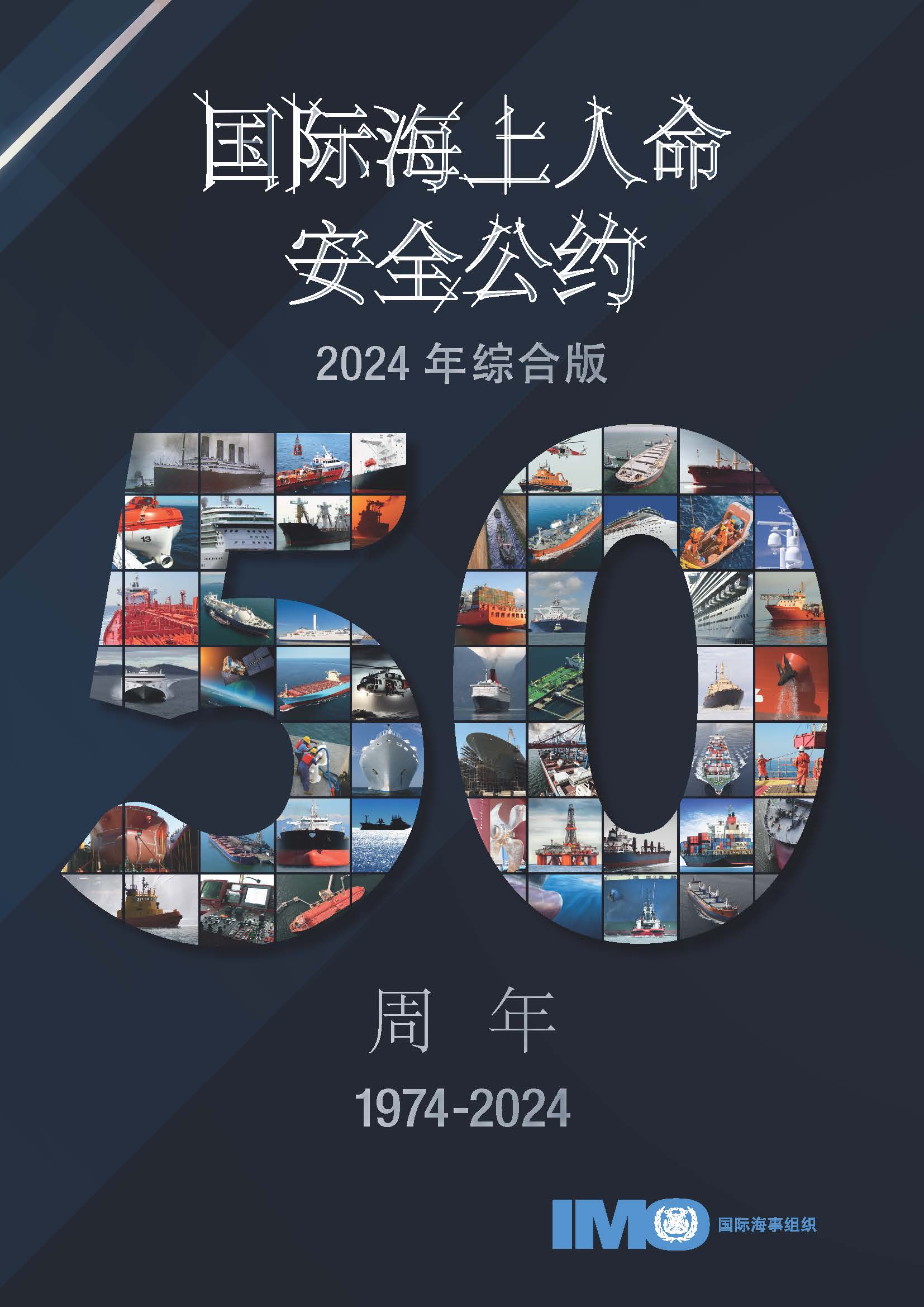
国际海上人命安全公约
Больше国际海上人命安全公约 Меньше 国际海上人命安全公约在所有涉及海上安全的国际公约中,最重要的当属《国际海上人命安全公约》(简称《安全公约》),该公约涵盖了一系列旨在提升航运安全的措施。
该公约也是同类公约中历史最悠久的公约之一:首个版本于1914年泰坦尼克号沉没、造成1500多人丧生后通过。此后,《安全公约》又经历了四次修订。现行版本于1974年通过,并于1980年生效。本出版物旨在纪念《1974年安全公约》通过50周年,该公约是一份重要的国际海上安全文书。
本出版物收录了该公约、其《1988年议定书》以及2024年7月1日或之前生效的所有修正案的综合文本。此外,本版本还收录了海上安全委员会批准的《安全公约》规则的统一解释。
-
-
-

Survey of Electrical Installations
БольшеSurvey of Electrical Installations Меньше Survey of Electrical InstallationsThis course aims to meet the mandatory standards of competence in conducting surveys of electrical installations, particularly in verifying compliance with IMO conventions related to ship safety. Tailored to the trainees’ needs and experience levels, the course is a key resource to aid trainees in mastering essential survey procedures and verification techniques in compliance with international standards.
-
-
-
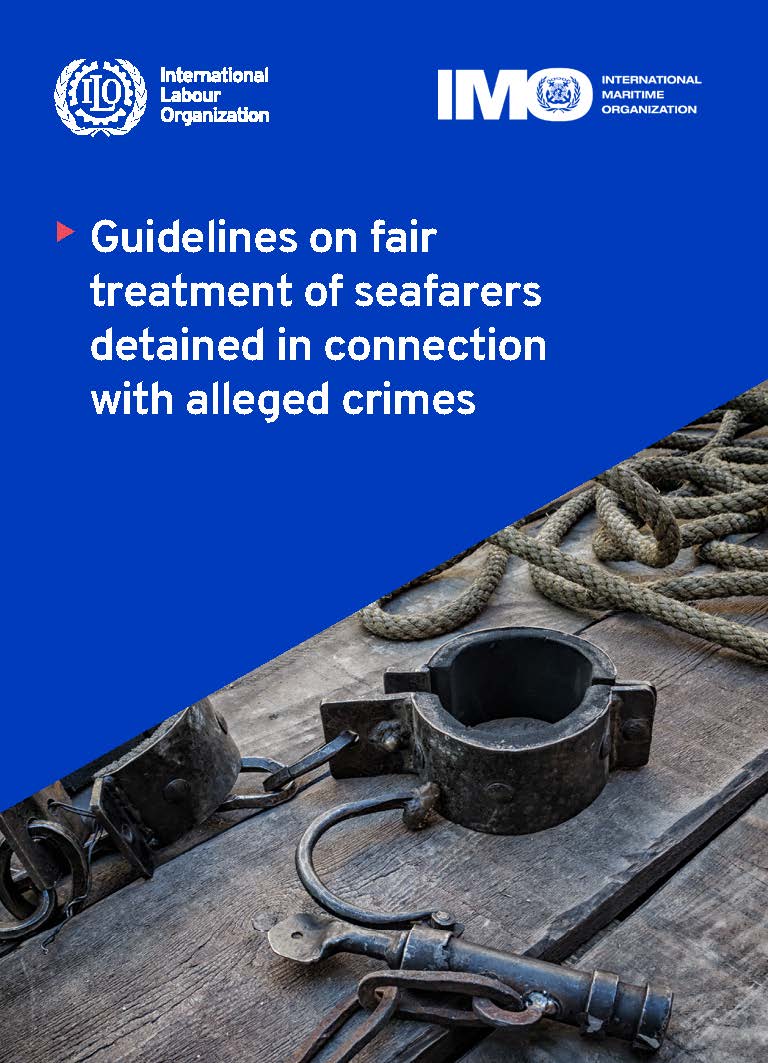
Guidelines on fair treatment of seafarers detained in connection with alleged crimes
БольшеGuidelines on fair treatment of seafarers detained in connection with alleged crimes Меньше Guidelines on fair treatment of seafarers detained in connection with alleged crimesThe PDF of this publication is available for download under the Supplements tab
Seafarers are recognized as a special category of worker and many countries have designated them as key workers in accordance with the adoption of a joint statement by the International Labour Organization (ILO), the International Maritime Organization (IMO), the United Nations Conference on Trade and Development (UNCTAD) and the World Health Organization (WHO).
Given the global nature of the shipping industry and the different jurisdictions with which seafarers may be brought into contact, they need special protection, especially in relation to contacts with public authorities. The objective of these Guidelines is to ensure that seafarers detained on suspicion of committing a crime are treated fairly during any investigation and detention by public authorities, and that detention is for no longer than necessary.
-
-
-
Directives sur le traitement équitable des gens de mer détenus pour des infractions présumées
БольшеDirectives sur le traitement équitable des gens de mer détenus pour des infractions présumées Меньше Directives sur le traitement équitable des gens de mer détenus pour des infractions présuméesLe PDF de cette publication est disponible en téléchargement dans l’onglet Suppléments
Il est reconnu que les gens de mer constituent une catégorie spéciale de travailleurs, et de nombreux pays leur ont accordé le statut de travailleurs essentiels suite à l’adoption d’une déclaration conjointe par l’Organisation internationale du travail (OIT), l’Organisation maritime internationale (OMI), la Conférence des Nations Unies sur le commerce et le développement (CNUCED) et l’Organisation mondiale de la santé (OMS). Étant donné le caractère mondial du secteur des transports maritimes et les différentes juridictions auxquelles les gens de mer pourraient se trouver confrontés, ils ont besoin d’une protection spéciale, en particulier dans leurs rapports avec les autorités publiques.
Les présentes directives ont pour objet de faire en sorte que les gens de mer détenus pour des infractions présumées bénéficient d’un traitement équitable pendant l’enquête et la détention par les autorités publiques et que la détention ne dure pas plus longtemps que nécessaire.
-
-
-
Directrices sobre el trato justo de la gente de mar detenida por presuntos delitos
БольшеDirectrices sobre el trato justo de la gente de mar detenida por presuntos delitos Меньше Directrices sobre el trato justo de la gente de mar detenida por presuntos delitosEl PDF de esta publicación está disponible para descargar en la pestaña de Suplementos.
Se reconoce que la gente de mar constituye una categoría especial de trabajadores, y muchos países los han calificado de trabajadores esenciales, de conformidad con la Declaración conjunta adoptada por la OIT, la Organización Marítima Internacional (OMI), la Conferencia de las Naciones Unidas sobre Comercio y Desarrollo (UNCTAD) y la Organización Mundial de la Salud (OMS). Dada la naturaleza mundial del sector del transporte marítimo y la diversidad de jurisdicciones con las que es posible que la gente de mar entre en contacto, esta necesita una protección especial, en concreto por lo que respecta a los contactos con las autoridades públicas.
El objetivo de las presentes Directrices es velar por que a la gente de mar detenida como sospechosa de haber cometido un delito se le otorgue un trato justo durante toda investigación y detención por parte de autoridades públicas, y que la detención no se prolongue más allá de lo necesario.
-
-
-
Convention SOLAS
БольшеConvention SOLAS Меньше Convention SOLASDe toutes les conventions internationales ayant trait à la sécurité maritime, la plus importante est la Convention internationale de 1974 pour la sauvegarde de la vie humaine en mer, mieux connue sous le nom de Convention SOLAS, qui couvre une large gamme de mesures destinées à améliorer la sécurité de la navigation.
La Convention est aussi la plus ancienne : la première version fut adoptée en 1914 à la suite du naufrage du Titanic qui entraîna la perte de plus de 1 500 vies humaines. Par la suite, quatre nouvelles versions de la Convention SOLAS ont été élaborées. La version actuelle a été adoptée en 1974 et est entrée en vigueur en 1980. La présente publication commémore le 50e anniversaire de l’adoption de la Convention SOLAS de 1974, un instrument international de premier plan en matière de sécurité maritime.
La présente édition reproduit le texte récapitulatif de la Convention, son Protocole de 1988 et tous les amendements entrés en vigueur au plus tard le 1er juillet 2024. En outre, cette édition comprend les Interprétations uniformes aux règles de la Convention SOLAS, qui ont été adoptées par le Comité de la sécurité maritime.
-
-
-
SOLAS
БольшеSOLAS Меньше SOLASDe todos los convenios internacionales que tratan de la seguridad marítima, el más importante es el Convenio internacional para la seguridad de la vida humana en el mar, más conocido como Convenio SOLAS, que abarca una gran variedad de medidas destinadas a acrecentar la seguridad de la navegación.
El Convenio es también uno de los más antiguos en su género: la primera versión se adoptó en 1914 tras el hundimiento del Titanic, que costó la vida a más de 1 500 personas. Desde entonces ha habido cuatro versiones más. La presente versión se adoptó en 1974 y entró en vigor en 1980. En esta edición se conmemora el 50º aniversario de la adopción del Convenio SOLAS 1974, un instrumento internacional prominente para la seguridad marítima.
A fin de facilitar la consulta de todas las prescripciones del Convenio SOLAS aplicables a partir del 1 de julio de 2024, esta edición contiene el texto refundido del Convenio, su Protocolo de 1988 y todas las enmiendas en vigor en esa fecha. Asimismo, la presente edición contiene las interpretaciones unificadas de las reglas del Convenio SOLAS, que fueron adoptadas por el Comité de Seguridad Marítima.
-
-
-
Código SPS y Código IP
БольшеCódigo SPS y Código IP Меньше Código SPS y Código IPLa presente publicación contiene el Código de seguridad aplicable a los buques para fines especiales, 2008 (Código SPS 2008); el nuevo Código internacional de seguridad para los buques que transportan personal industrial (Código IP) y el capítulo XV del Convenio SOLAS sobre medidas de seguridad para los buques que transportan personal industrial.
El Código SPS 2008 establece normas de seguridad aplicables a los buques para fines especiales que transportan «personal especial», como científicos o técnicos que participan en tareas específicas a bordo. El Código IP, que entró en vigor el 1 de julio de 2024, amplía estos principios de seguridad básicos a los buques que transportan «personal industrial». Este nuevo código aborda las prescripciones de seguridad para los sectores mar adentro y de la energía, a fin de garantizar el transporte y el transbordo más seguros del personal que participa en actividades industriales mar adentro.
-
-
-
Recueil SPS et Recueil IP
БольшеRecueil SPS et Recueil IP Меньше Recueil SPS et Recueil IPLa présente publication contient le Recueil de règles de sécurité applicables aux navires spéciaux, 2008 (Recueil SPS de 2008), le nouveau Recueil international de règles de sécurité applicables aux navires qui transportent du personnel industriel (Receuil IP) et le chapitre XV de la Convention SOLAS portant sur les Mesures de sécurité applicables aux navires transportant du personnel industriel.
Le Recueil SPS 2008 établit une norme de sécurité applicable aux navires spéciaux qui transportent du "personnel spécial", tel que des chercheurs et des techniciens qui participent à des activités spécifiques à bord. Le Recueil IP, qui est entré en vigueur le 1er juillet 2024, étend ces principes de sécurité de base aux navires transportant du "personnel industriel". Ce nouveau recueil répond aux prescriptions de sécurité pour les secteurs de l'énergie et offshore, garantissant le transport et le transfert en toute sécurité des membres du personnel qui participent aux activités industrielles au large.
-
-
-
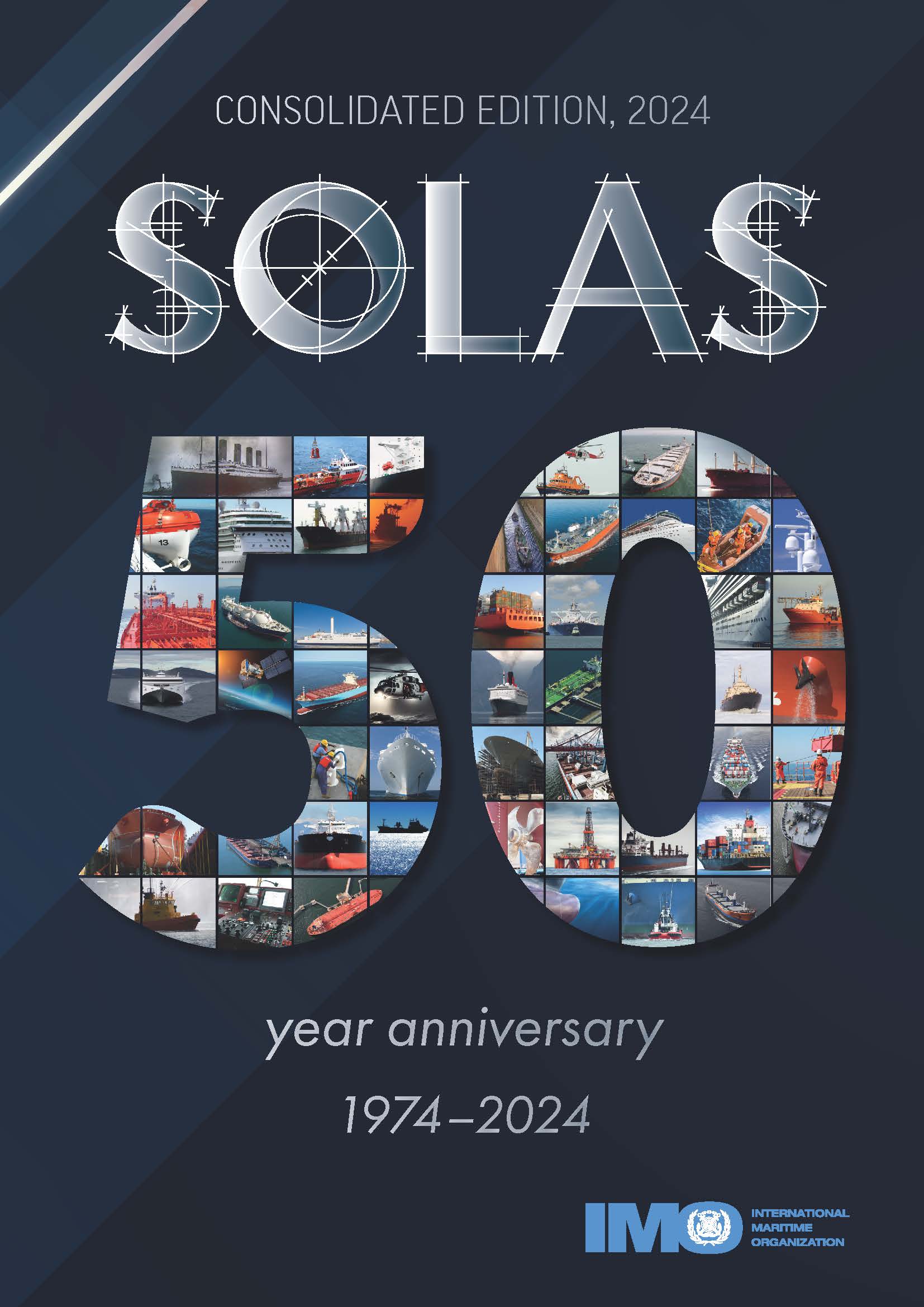
SOLAS
БольшеSOLAS Меньше SOLASBy clicking on the "Read" button on this page you will be accessing the PDF of the full book. To access the Full-Text version and PDFs of the individual chapters, click on the “Chapters” tab and select the chapter you would like to read.
Of all the international conventions dealing with maritime safety, the most important is the International Convention for the Safety of Life at Sea, better known as SOLAS, which covers a wide range of measures designed to improve the safety of shipping.
The Convention is also one of the oldest of its kind: the first version was adopted in 1914 following the sinking of the Titanic with the loss of more than 1,500 lives. Since then, there have been four more versions of SOLAS. The present version was adopted in 1974 and entered into force in 1980. This publication commemorates the 50th anniversary of the adoption of the 1974 SOLAS Convention, a prominent international instrument for maritime safety.
This edition of the publication presents a consolidated text of the Convention, its Protocol of 1988 and all amendments that have entered into force on or before 1 July 2024. Additionally, this edition includes the unified interpretations of SOLAS regulations approved by the Maritime Safety Committee.
-
-
-
SPS Code and IP Code
БольшеSPS Code and IP Code Меньше SPS Code and IP CodeThis publication includes the Code of Safety for Special Purpose Ships, 2008 (2008 SPS Code), the new International Code of Safety for Ships Carrying Industrial Personnel (IP Code), and SOLAS chapter XV on safety measures for ships carrying industrial personnel.
The 2008 SPS Code sets safety standards for special purpose ships carrying ‘special personnel’ such as scientists and technicians involved in specific onboard activities. The IP Code, which came into force on 1 July 2024, extends these safety principles to ships transporting ‘industrial personnel’. This new code addresses the safety requirements for the offshore and energy sectors, ensuring safer transport and transfer of personnel involved in offshore industrial activities.
-
-
-

Survey of Machinery Installations and Compendium
БольшеSurvey of Machinery Installations and Compendium Меньше Survey of Machinery Installations and CompendiumThis two-volume course covers the requirements of initial, annual, intermediate, and periodical and renewal surveys, as specified in SOLAS. It does not cover preliminary design or plan approvals, nor does it cover the survey or inspection of chemical tankers, Gas carriers, special purpose ships or mobile offshore units.
-
-
-
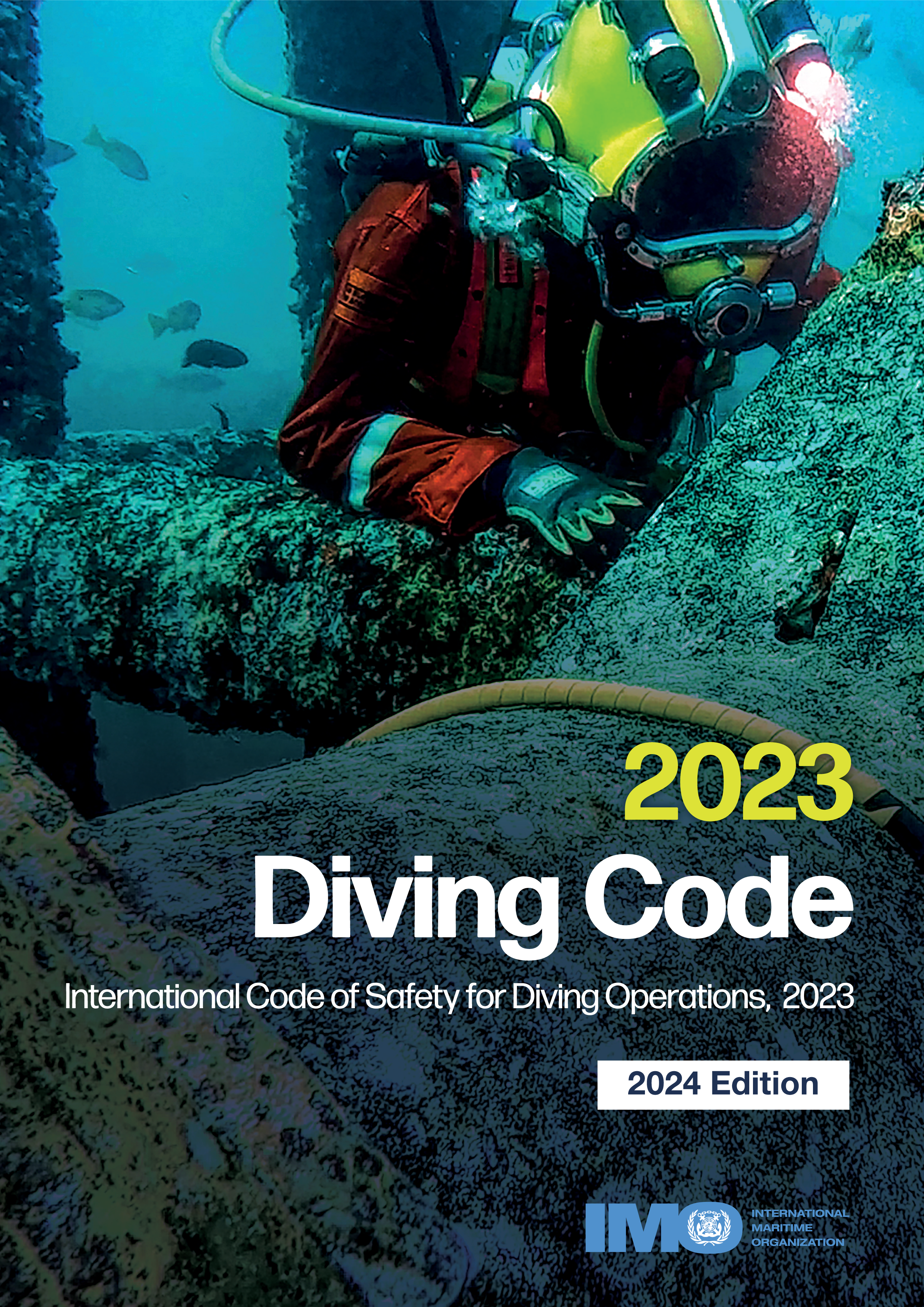
2023 Diving Code
Больше2023 Diving Code Меньше 2023 Diving CodeThis publication contains the International Code of Safety for Diving Operations, 2023 (2023 Diving Code), which has been developed to enhance the safety of divers and diving support personnel, to facilitate the international movement and operation of diving units, and to provide a minimum international standard for the design, construction and survey of diving units to safely support diving operations.
The 2023 Diving Code was adopted by resolution MSC.548(107) and applies to ships of not less than 500 gross tonnage that have a diving system installed on or after 1 January 2024.
-
-
-
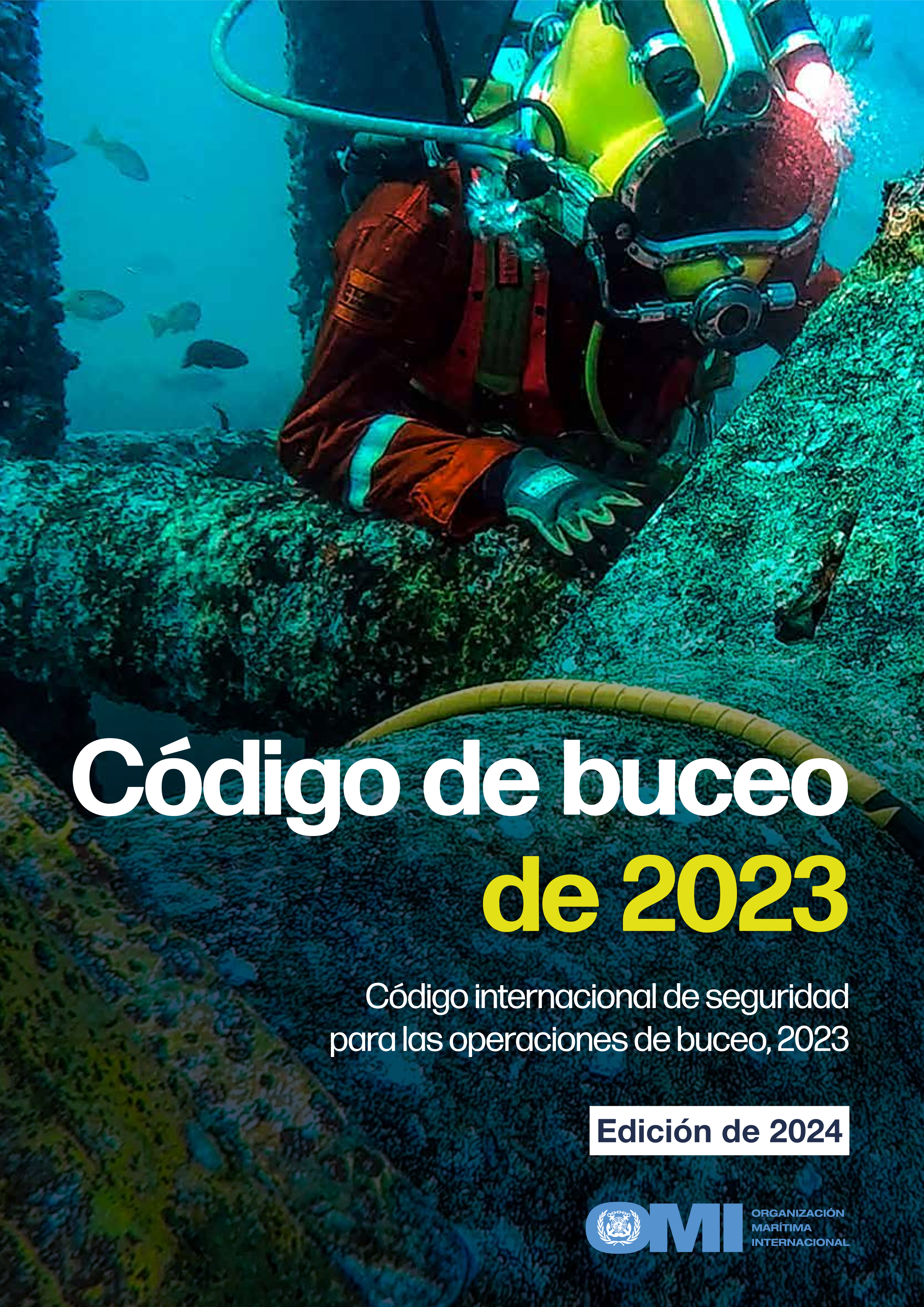
Código de buceo de 2023
БольшеCódigo de buceo de 2023 Меньше Código de buceo de 2023La presente publicación contiene el Código internacional de seguridad para las operaciones de buceo, 2023 (Código de buceo de 2023), que ha sido elaborado para aumentar la seguridad de los buzos y de su personal deapoyo, facilitar el traslado y la utilización en el ámbito internacional de las unidades de buceo y proporcionaruna norma internacional mínima para el proyecto, la construcción y el reconocimiento de las unidades debuceo a fin de prestar apoyo a las operaciones de buceoen condiciones de seguridad.
El Código de buceo de 2023 fue adoptado mediante la resolución MSC.548(107) y se aplica a los buques de arqueo bruto no inferior a 500 que tengan un sistema de buceo instalado el 1 de enero de 2024 o posteriormente.
-
-
-
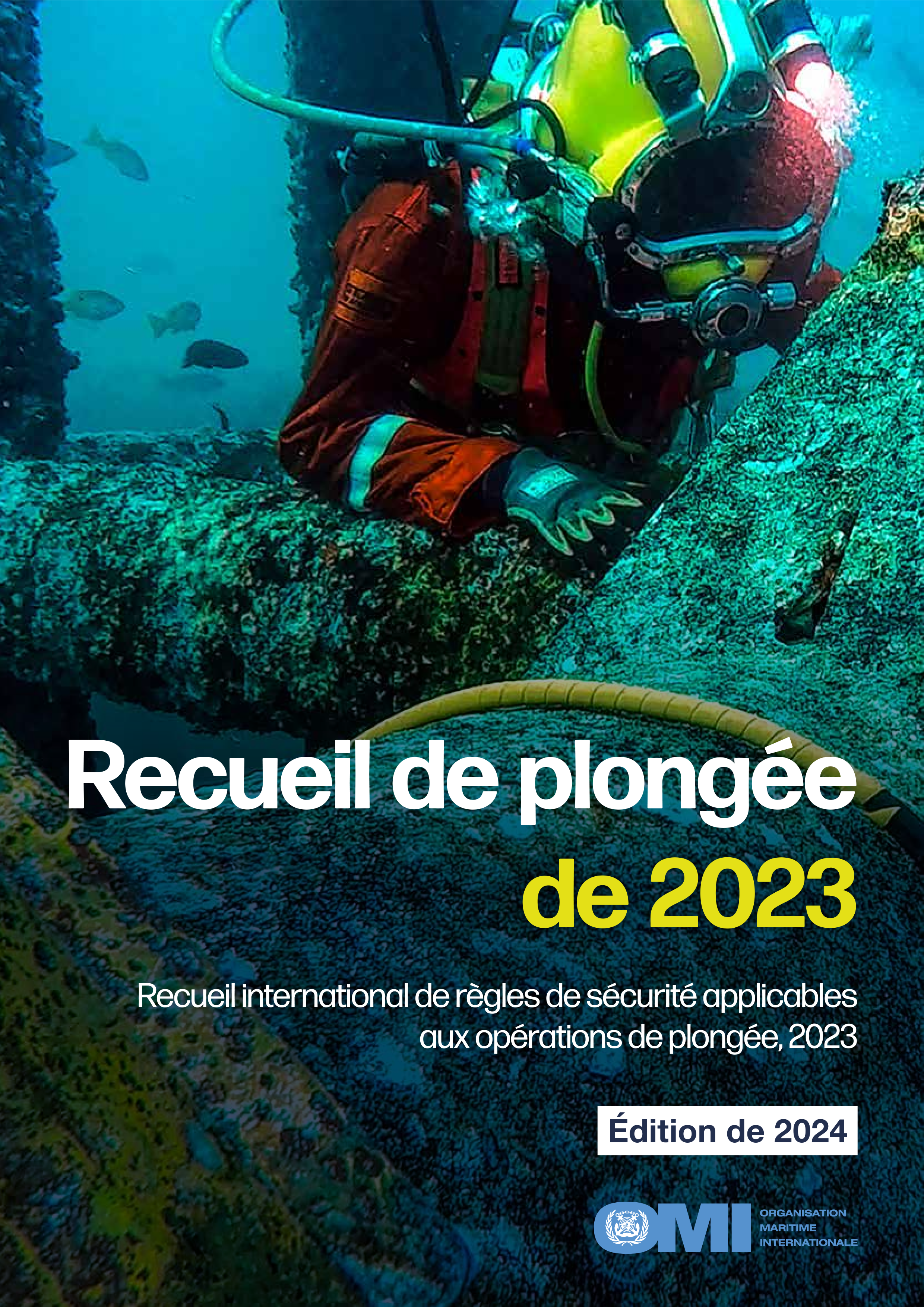
Recueil de plongée de 2023
БольшеRecueil de plongée de 2023 Меньше Recueil de plongée de 2023Le Recueil international de règles de sécurité applicables aux opérations de plongée, 2023 (Recueil de plongée de 2023) a pour objet d’améliorer la sécurité des plongeurs et du personnel d’appui à la plongée, de faciliter le mouvement et l’exploitation des unités de plongée et d’offrir une norme internationale minimale relative à la conception, à la construction et à la visite des unités de plongée afin de contribuer à la sécurité des opérations de plongée.
Le Recueil de plongée de 2023 a été adopté par la résolution MSC.548(107) et s’applique aux navires d’une jauge brute égale ou supérieure à 500 qui disposent d’un système de plongée installé le 1er janvier 2024 ou après cette date.
-
-
-
Fire Prevention and Fire Fighting
БольшеFire Prevention and Fire Fighting Меньше Fire Prevention and Fire FightingThis course provides mandatory minimum training in fire prevention and fire fighting and is based on the provisions of table A-VI/1-2 of the STCW Code.
-
-
-
Advanced Training in Fire Fighting
БольшеAdvanced Training in Fire Fighting Меньше Advanced Training in Fire FightingThis course covers training in fire fighting and is based on the provisions of table A-VI/3 of the STCW Code.
-
-
-
Security Awareness Training for All Port Facility Personnel
БольшеSecurity Awareness Training for All Port Facility Personnel Меньше Security Awareness Training for All Port Facility PersonnelThis model course is intended to provide the knowledge required to enable personnel without designated security duties in connection with a Port Facility Security Plan (PFSP) to enhance security in accordance with the requirements of Chapter XI-2 of SOLAS 74 as amended, the ISPS Code, the IMDG Code, the IMO/ILO Code of Practice on Security in Ports, and guidance contained in IMO MSC.1/Circ.1341. Successful trainees should contribute to the enhancement of maritime security through heightened awareness and the ability to recognize security threats and respond appropriately.
-