


International Maritime Organization
201 - 300 of 663 results
-
-
Engine-Room Simulator
Model course 2.07
show More to view fulltext, buy and share links for:Engine-Room Simulator show Less to hide fulltext, buy and share links for: Engine-Room SimulatorThis model course is essentially a practical one, consisting of a series of exercises structured around the operation of a ship’s machinery installation and carried out in conjunction with an engine-room simulator.
-
-
-
Engins de sauvetage, y compris le Recueil LSA
show More to view fulltext, buy and share links for:Engins de sauvetage, y compris le Recueil LSA show Less to hide fulltext, buy and share links for: Engins de sauvetage, y compris le Recueil LSALa présente publication comprend la version actualisée des trois instruments de l’Organisation maritime internationale (OMI) les plus importants traitant des engins de sauvetage, à savoir :
- le Recueil international de règles relatives aux engins de sauvetage (Recueil LSA) (résolution MSC.48(66));
- la Recommandation révisée sur la mise à l’essai des engins de sauvetage (résolution MSC.81(70)); et
- le Recueil de règles pratiques pour l’évaluation, la mise à l’essai et l’acceptation de prototypes d’engins et de dispositifs de sauvetage nouveaux (résolution A.520(13)).
-
-
-
Equipo de Prevención de la Contaminación conforme al MARPOL
show More to view fulltext, buy and share links for:Equipo de Prevención de la Contaminación conforme al MARPOL show Less to hide fulltext, buy and share links for: Equipo de Prevención de la Contaminación conforme al MARPOLEsta publicación comprende:
- la resolución MEPC.107(49) – Directrices y especificaciones revisadas relativas al equipo deprevención de la contaminación para las sentinas de los espacios de máquinas de los buques
- la resolución MEPC.108(49) – Directrices y especificaciones revisadas relativas a los sistemas de vigilancia y control de las descargas de hidrocarburos para los petroleros
- la resolución MEPC.159(55) – Directrices revisadas sobre la implantación de las normas relativas a efluentes y pruebas de rendimiento de las instalaciones de tratamiento de aguas sucias
- la resolución MEPC.76(40) enmendada por la resolución MEPC.93(45) -Especificación normalizada para los incineradores de a bordo
- la resolución MEPC.130(53) – Directrices relativas a los sistemas de a bordo para la limpieza de los gases de escape-SOx
-
-
-
FAL Convention
Convention on Facilitation of International Maritime Traffic, 1965
show More to view fulltext, buy and share links for:FAL Convention show Less to hide fulltext, buy and share links for: FAL ConventionThis consolidated edition of the FAL Convention includes the 2022 amendments (resolution FAL.14(46)) adopted at the forty-sixth session of the FAL Committee. These amendments, which enter into force on 1 January 2024, address single window systems, electronic transmission of data, lessons learned from the COVID-19 pandemic and the efforts to counteract the effects of corruption.
The publication also includes the 2023 amendments (resolution FAL.15(47)) that are expected to enter into force on 1 January 2025. These amendments affect Recommended Practice 7.11, and aim to address the need to combat illicit activities in the national facilitation programmes of Governments.
-
-
-
FAO/ILO/IMO Document for Guidance on Training and Certification of Fishing Vessel Personnel
show More to view fulltext, buy and share links for:FAO/ILO/IMO Document for Guidance on Training and Certification of Fishing Vessel Personnel show Less to hide fulltext, buy and share links for: FAO/ILO/IMO Document for Guidance on Training and Certification of Fishing Vessel PersonnelThe first international maritime training guide for fishermen, the Document for Guidance on Fishermen’s Training and Certification, was prepared by a joint FAO/ILO/IMO working group and published by IMO in 1985.
The Document for Guidance took account of the conventions and recommendations adopted by ILO and IMO and the wide practical experience of FAO in the field of fishermen’s training; it covered training and certification of small-scale and industrial fishermen.
In 1995 a joint working group, in co operation with FAO and ILO, reviewed the Document for Guidance with particular reference to relevant resolutions of the 1995 International Conference on Standards of Training, Certification and Watchkeeping for Fishing Vessel Personnel (STCW-F). The outcome was a revised document entitled Document for Guidance on Training and Certification of Fishing Vessel Personnel.
-
-
-
FSS Code
International Code for Fire Safety Systems
show More to view fulltext, buy and share links for:FSS Code show Less to hide fulltext, buy and share links for: FSS CodeThe International Code for Fire Safety Systems (FSS Code) presents engineering specifications for fire safety equipment and systems required by SOLAS chapter II-2 including, among others: international shore connections; personnel protection: fire extinguishers: fixed gas fire-extinguishing systems; fixed foam fire-extinguishing systems; fixed pressure water-spraying and watermist fire-extinguishing systems; automatic sprinkler, fire detection and fire alarm systems; fixed fire detection and fire alarm systems; sample extraction smoke detection systems; low-location lighting systems; fixed emergency fire pumps; arrangement of means of escape; fixed deck foam systems; inert gas systems; and fixed hydrocarbon gas detection systems.
-
-
-
Field Guide for Oil Spill Response in Tropical Waters
show More to view fulltext, buy and share links for:Field Guide for Oil Spill Response in Tropical Waters show Less to hide fulltext, buy and share links for: Field Guide for Oil Spill Response in Tropical WatersThis extensively illustrated field guide is directed towards those who have to respond to oil spills in tropical marine waters. It aims to provide information and general guidance on the response measures to be taken (and on those to be avoided) for the different types of tropical habitat.
-
-
-
Fire Prevention and Fire Fighting
Model Course 1.20
show More to view fulltext, buy and share links for:Fire Prevention and Fire Fighting show Less to hide fulltext, buy and share links for: Fire Prevention and Fire FightingThis course provides mandatory minimum training in fire prevention and fire fighting and is based on the provisions of table A-VI/1-2 of the STCW Code.
-
-
-
Flag State Implementation
Model Course 3.22
show More to view fulltext, buy and share links for:Flag State Implementation show Less to hide fulltext, buy and share links for: Flag State ImplementationThis course is intended to provide officers of the Maritime safety Administration with information on the different obligations and duties of the flag States as required by the United Nations Convention on the Law of the Sea (UNCLOS). It describes how the flag State administration would efficiently discharge such obligations and duties.
-
-
-
Formación Avanzada para Buques que Operen en Aguas Polares
Curso modelo 7.12
show More to view fulltext, buy and share links for:Formación Avanzada para Buques que Operen en Aguas Polares show Less to hide fulltext, buy and share links for: Formación Avanzada para Buques que Operen en Aguas PolaresThis “advanced” course provides training to navigation officers to operate ships in Polar waters and to address those additional provisions deemed necessary for consideration beyond existing requirements of the SOLAS and MARPOL Conventions, in order to take into account the climatic conditions of Polar waters and to meet appropriate standards of Maritime safety and pollution prevention.
-
-
-
Formación Básica para Buques que Operen en Aguas Polares
Curso modelo 7.11
show More to view fulltext, buy and share links for:Formación Básica para Buques que Operen en Aguas Polares show Less to hide fulltext, buy and share links for: Formación Básica para Buques que Operen en Aguas PolaresThis “basic” course provides training to navigation officers to operate ships in Polar waters and to address those additional provisions deemed necessary for consideration beyond existing requirements of the SOLAS and MARPOL Conventions, in order to take into account the climatic conditions of Polar waters and to meet appropriate standards of Maritime safety and pollution prevention.
-
-
-
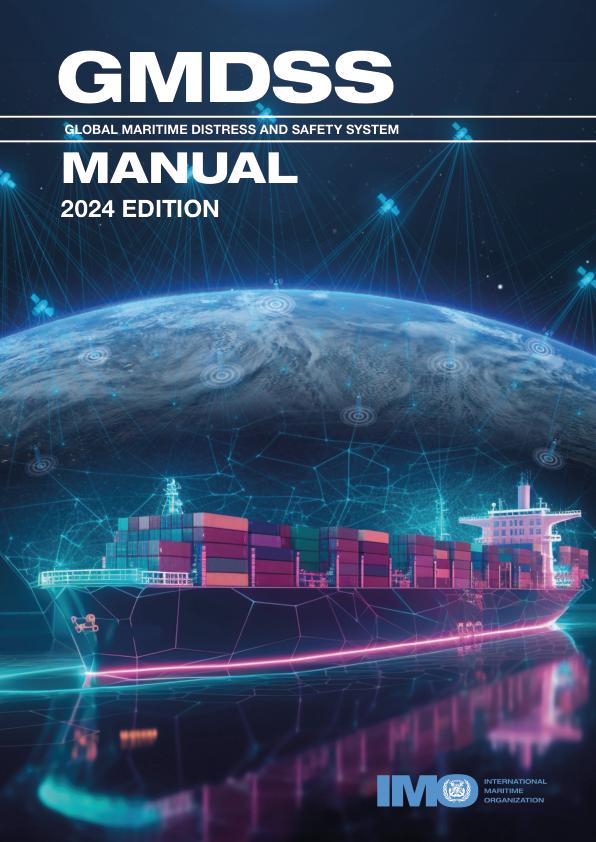
GMDSS Manual
Global Maritime Distress and Safety System Manual
show More to view fulltext, buy and share links for:GMDSS Manual show Less to hide fulltext, buy and share links for: GMDSS ManualThe GMDSS Manual provides, in a single comprehensive publication, an explanation of the principles upon which the GMDSS is based, including the radiocommunication requirements and recommendations for its implementation, the operational performance standards and technical specifications to be met by GMDSS equipment, and the procedures for and method of operation of the various radio services that form the GMDSS and the Master Plan for the GMDSS.
The 2024 edition contains the latest information emanating from the IMO project on the modernization of the GMDSS, which was completed in 2022 and led to the overall revision of relevant SOLAS regulations and many other mandatory and non-mandatory IMO instruments related to the GMDSS. This edition also includes:
- An introduction to the GMDSS, including a description of the GMDSS concept;
- A description of the components of the GMDSS, carriage requirements and operational procedures;
- Detailed information regarding terrestrial and satellite-based radiocommunication systems used in the GMDSS;
- Information concerning ongoing work at IMO related to future radiocommunication systems and services;
- Information on promulgation of Maritime safety information and Search and rescue related information, including NAVTEX and enhanced group call services;
- Excerpts from the relevant SOLAS regulations for the GMDSS;
- Supporting IMO resolutions relevant to the GMDSS;
- The current GMDSS Master Plan, giving the details of the coastal infrastructure and services provided by Member States; and
- Extracts from the ITU-R Radio Regulations giving the radio regulatory background.
The Manual is intended for use by ship personnel, shore operators, trainers, administrations, regulators and anyone concerned with ship radiocommunications.
-
-
-
General Operator’s Certificate for the Global Maritime Distress and Safety System (GMDSS)
Model course 1.25
show More to view fulltext, buy and share links for:General Operator’s Certificate for the Global Maritime Distress and Safety System (GMDSS) show Less to hide fulltext, buy and share links for: General Operator’s Certificate for the Global Maritime Distress and Safety System (GMDSS)This course aims to facilitate training that meets the mandatory minimum standards of competence and relevant requirements in general operator's certificate for the Global Maritime Distress and Safety System (GMDSS). This is in accordance with the STCW Convention and Code, the Radio Regulations, and the STCW-F Convention and Code.
-
-
-
Gestion des eaux de ballast
Comment procéder
show More to view fulltext, buy and share links for:Gestion des eaux de ballast show Less to hide fulltext, buy and share links for: Gestion des eaux de ballastLa présente publication fournit des informations pratiques utiles aux gouvernements, en particulier ceux des pays en développement, aux Administrations, aux propriétaires de navires, aux autorités chargées du contrôle par l’État du port, aux agences de protection de l’environnement et autres parties prenantes sur les implications de la ratification, de la mise en œuvre et du contrôle du respect de la Convention sur la gestion des eaux de ballast.
Son objectif est d’encourager les gouvernements à ratifier la Convention et à la mettre en œuvre et la faire respecter comme il convient. Il est à noter toutefois qu’à des fins juridiques, il faudrait systématiquement se reporter au texte de la Convention faisant foi.
-
-
-
Gestión del agua de lastre
Cómo llevarla a la práctica
show More to view fulltext, buy and share links for:Gestión del agua de lastre show Less to hide fulltext, buy and share links for: Gestión del agua de lastreLa presente publicación proporciona información práctica a los Gobiernos, en particular a los de los países en desarrollo, las Administraciones, los propietarios de buques, las autoridades de supervisión por el Estado rector del puerto, los organismos medioambientales y demás partes interesadas, sobre las repercusiones de la ratificación, la implantación y el cumplimiento del Convenio sobre la gestión del agua de lastre.
Su objetivo es fomentar nuevas ratificaciones y la implantación y el cumplimiento adecuados del Convenio. Sin embargo, conviene señalar que, a efectos jurídicos, debería consultarse siempre el texto auténtico del Convenio.
-
-
-
Goal-Based Ship Construction Standards for Bulk Carriers and Oil Tankers and Related Guidelines
show More to view fulltext, buy and share links for:Goal-Based Ship Construction Standards for Bulk Carriers and Oil Tankers and Related Guidelines show Less to hide fulltext, buy and share links for: Goal-Based Ship Construction Standards for Bulk Carriers and Oil Tankers and Related GuidelinesThis publication presents:
- International goal-based ship construction standards for Bulk carriers and Oil tankers (resolution MSC.287(87))
- Associated SOLAS amendments (MSC.290(87)), making the Standards mandatory
- Guidelines for the verification of conformity with goal-based construction standards for Bulk carriers and Oil tankers (MSC.296(87))
- Guidelines for the information to be included in a Ship Construction File (MSC.1/Circ.1343)
- Generic Guidelines for developing IMO goal-based standards (MSC.1/Circ.1394)
-
-
-
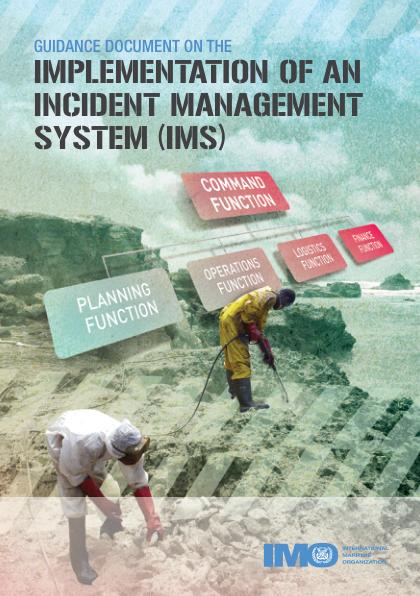
Guidance Document on the Implementation of an Incident Management System (IMS)
show More to view fulltext, buy and share links for:Guidance Document on the Implementation of an Incident Management System (IMS) show Less to hide fulltext, buy and share links for: Guidance Document on the Implementation of an Incident Management System (IMS)This publication, prepared by the OPRC-HNS Technical Group and approved by IMO’s Marine environmental Protection Committee, provides guidance on the establishment of an incident management system (IMS) for marine pollution incidents.
-
-
-
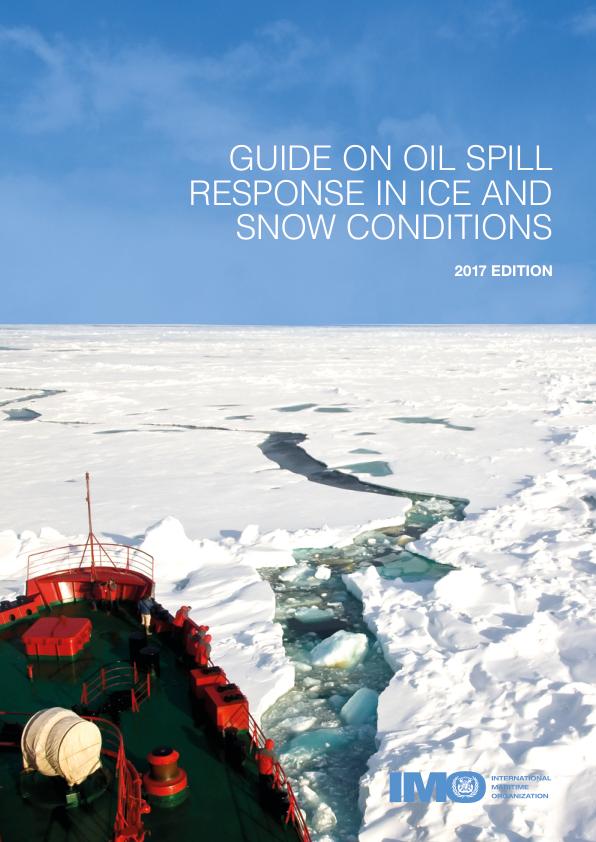
Guide on Oil Spill Response in Ice and Snow Conditions
show More to view fulltext, buy and share links for:Guide on Oil Spill Response in Ice and Snow Conditions show Less to hide fulltext, buy and share links for: Guide on Oil Spill Response in Ice and Snow ConditionsThis Guide aims to identify and describe the key considerations directly associated with a response to a marine oil spill in ice and snow conditions anywhere in the world. By addressing elements of planning and preparedness for marine and coastal oil spills, in addition to the fate and behaviour of oil spills in ice and snow as well as potential response strategies and options, this guide aims to assist incident managers and decision makers in safely implementing an effective response.
-
-
-
Guide on the Implementation of the OPRC Convention and OPRC-HNS Protocol
show More to view fulltext, buy and share links for:Guide on the Implementation of the OPRC Convention and OPRC-HNS Protocol show Less to hide fulltext, buy and share links for: Guide on the Implementation of the OPRC Convention and OPRC-HNS ProtocolThe Guide to the Implementation of the OPRC Convention and OPRC-HNS Protocol provides a step-wise approach for the planning, preparedness and implementation process at national and regional levels; and identifies existing publications and available support mechanisms to assist.
-
-
-
Guide pour la sûreté maritime et Code ISPS
show More to view fulltext, buy and share links for:Guide pour la sûreté maritime et Code ISPS show Less to hide fulltext, buy and share links for: Guide pour la sûreté maritime et Code ISPSLe présent Guide a été élaboré dans le but de regrouper les textes existants de l’Organisation maritime internationale (OMI) relatifs à la sûreté maritime dans un vade-mecum facile à consulter du chapitre XI-2 de la Convention internationale de 1974 pour la sauvegarde de la vie humaine en mer (Convention SOLAS) et du Code international pour la sûreté des navires et des installations portuaires (Code ISPS) en vue d’aider les États à promouvoir la sûreté maritime en mettant en place le cadre juridique, les pratiques et les procédures administratives connexes, ainsi que les ressources matérielles techniques et humaines nécessaires.
Il a pour double objectif d’aider les Gouvernements contractants à la Convention SOLAS à mettre en œuvre et à faire appliquer les dispositions du chapitre XI-2 de la Convention SOLAS et du Code ISPS et à en vérifier le respect et de servir d’aide et de référence à ceux qui exécutent des activités de renforcement des capacités dans le domaine de la sûreté maritime.
Dans cette deuxième édition, les recommandations approuvées par le Comité de la sécurité maritime (MSC) sur l’élaboration d’une législation en matière de sûreté maritime ainsi que sur la gestion des cyber-risques maritimes ont été incorporées et des références renvoyant à des renseignements complémentaires ont été révisées et mises à jour afin d’appuyer la mise en œuvre du Code ISPS.
-
-
-
Guide to Maritime Security and the ISPS Code
show More to view fulltext, buy and share links for:Guide to Maritime Security and the ISPS Code show Less to hide fulltext, buy and share links for: Guide to Maritime Security and the ISPS CodeThis Guide has been developed to consolidate existing IMO maritime security-related material into an easily read companion guide to SOLAS chapter XI-2 and the ISPS Code in order to assist States in promoting maritime security through development in the requisite legal framework, associated administrative practices, procedures and technical and human resources.
It is intended both to assist SOLAS Contracting Governments in the implementation, verification, compliance with, and enforcement of, the provisions of SOLAS chapter XI-2 and the ISPS Code. It should also serve as an aid and reference for those engaged in delivering capacity-building activities in the field of maritime security.
This second edition of the Guide incorporates guidance approved by the Maritime Safety Committee on the development of maritime security legislation as well as maritime cyber risk management and includes updated sources for further information to support the implementation of the ISPS Code.
-
-
-
Guide to Ship Sanitation
show More to view fulltext, buy and share links for:Guide to Ship Sanitation show Less to hide fulltext, buy and share links for: Guide to Ship SanitationThe primary aim of the revised Guide to Ship Sanitation, published by WHO, is to present the public health significance of ships in terms of disease and to highlight the importance of applying appropriate control measures. This guide, in e-reader format only, is intended to be used as a basis for the development of national approaches to controlling the hazards that may be encountered on ships, as well as providing a framework for policy-making and local decision-making.
-
-
-
Guideline for Oil Spill Response in Fast Currents
show More to view fulltext, buy and share links for:Guideline for Oil Spill Response in Fast Currents show Less to hide fulltext, buy and share links for: Guideline for Oil Spill Response in Fast CurrentsThe aim of this Guideline is to provide essential information and a practical aid to oil spill response personnel for the development of response strategies and for the implementation of oil spill containment and clean-up measures in a fast water environment. It is intended for personnel who already have an understanding of the basics of oil containment and recovery using conventional spill response equipment, such as booms and skimmers, and provide information on the particular considerations and strategies that are required for pollution response in fast currents.
-
-
-
Guidelines for Ensuring the Adequacy of Port Waste Reception Facilities
show More to view fulltext, buy and share links for:Guidelines for Ensuring the Adequacy of Port Waste Reception Facilities show Less to hide fulltext, buy and share links for: Guidelines for Ensuring the Adequacy of Port Waste Reception FacilitiesThe Marine environment protection Committee, at its forty-fourth session (March 2000), adopted, by resolution MEPC.83(44), Guidelines for Ensuring the Adequacy of Port Waste Reception Facilities.
The intention of these Guidelines is to provide guidance on the determination of adequacy of reception facilities for ship-generated waste as part of the implementation of MARPOL. Widespread use of the Guidelines will assist States to overcome the problem of determining the need for reception facilities.
-
-
-
Guidelines for the Design and Construction of Offshore Supply Vessels 2006
show More to view fulltext, buy and share links for:Guidelines for the Design and Construction of Offshore Supply Vessels 2006 show Less to hide fulltext, buy and share links for: Guidelines for the Design and Construction of Offshore Supply Vessels 2006The Guidelines for the design and construction of offshore supply vessels were adopted by the Assembly of the Organization in 1981 by resolution A.469(XII).
These Guidelines included guidance on intact stability that was later incorporated into the Code on Intact Stability for all types of ships covered by IMO instruments. To take account of the adoption of this Code and amendments to the SOLAS Convention that have entered into force after 1981, new Guidelines for the design and construction of offshore supply vessels were adopted in 2006. These new Guidelines also include a form of Document of Compliance for Offshore supply vessels.
-
-
-
Guidelines for the Development of Shipboard Marine Pollution Emergency Plans
show More to view fulltext, buy and share links for:Guidelines for the Development of Shipboard Marine Pollution Emergency Plans show Less to hide fulltext, buy and share links for: Guidelines for the Development of Shipboard Marine Pollution Emergency PlansThese Guidelines contain information for the preparation of shipboard marine emergency plans.
The main objectives of these Guidelines are:
- to assist shipowners in preparing shipboard marine emergency plans in conformity with the cited regulations
- to assist Governments in developing and enacting domestic laws which give force to and implement the cited regulations
In the interest of uniformity, Governments are requested to refer to these Guidelines when preparing appropriate national regulations.
-
-
-
Guidelines for the Implementation of MARPOL: Annex V
show More to view fulltext, buy and share links for:Guidelines for the Implementation of MARPOL: Annex V show Less to hide fulltext, buy and share links for: Guidelines for the Implementation of MARPOL: Annex VThe publication contains:
- 2017 Guidelines for the implementation of MARPOL Annex V (resolution MEPC.295(71))
- 2012 Guidelines for the development of garbage management plans (resolution MEPC.220(63))
- Consolidated MARPOL Annex V, including amendments adopted by MEPC.277(70))
-
-
-
Guidelines for the Provisional Assessment of Liquids Transported in Bulk
show More to view fulltext, buy and share links for:Guidelines for the Provisional Assessment of Liquids Transported in Bulk show Less to hide fulltext, buy and share links for: Guidelines for the Provisional Assessment of Liquids Transported in BulkThese Guidelines were approved in conjunction with the extension of the unified interpretation of regulation 3(4) of Annex II of MARPOL, which made it possible for Administrations to authorize manufacturers to carry out provisional assessments on IMO’s behalf. The Guidelines also provide step- by-step procedures for ascertaining the carriage requirements of all liquids offered for bulk carriage.
-
-
-
Guidelines on Fatigue
show More to view fulltext, buy and share links for:Guidelines on Fatigue show Less to hide fulltext, buy and share links for: Guidelines on FatigueFatigue is a hazard because it may affect a seafarer’s ability to do their job effectively and safely. Importantly, fatigue affects everyone regardless of skill, knowledge and training. These guidelines were developed to inform each party that has a direct involvement in ship safety (seafarers, Administrations, ship designers, companies, training providers, etc.) of the nature of fatigue, its causes, preventive measures and countermeasures.
Approved by the Maritime Safety Committee of the International Maritime Organization (IMO), the guidelines in this publication are composed of self-contained modules addressing the issue of fatigue from different angles: the company, the seafarer, awareness and training, ship design, and the Administration and port State authorities. It also includes examples of sleep and fatigue monitoring tools and of fatigue event report information.
-
-
-
Guidelines on International Offers of Assistance in Response to a Marine Oil Pollution Incident
show More to view fulltext, buy and share links for:Guidelines on International Offers of Assistance in Response to a Marine Oil Pollution Incident show Less to hide fulltext, buy and share links for: Guidelines on International Offers of Assistance in Response to a Marine Oil Pollution IncidentThis publication provides Guidelines on international offers of assistance (IOA) in response to a marine Oil pollution incident and is designed for use by any country, particularly parties to the International Convention on Oil pollution Preparedness, Response and Co-operation, 1990 (OPRC 1990), as a tool to assist in managing requests for spill response resources and offers of assistance from other countries and organizations when confronted with large, complex or significant oil spill incidents.
Although developed by a technical group of the IMO, these guidelines could be used during large, complex or significant oil spills within inland areas as well as marine or coastal environments. While these guidelines can play an important role in the implementation of the OPRC 1990 Convention, they are not prescriptive or legally binding, and are meant as a tool to assist as needed.
-
-
-
Guidelines on Low Cost, Low Technology Assessment of Dredged Material
show More to view fulltext, buy and share links for:Guidelines on Low Cost, Low Technology Assessment of Dredged Material show Less to hide fulltext, buy and share links for: Guidelines on Low Cost, Low Technology Assessment of Dredged MaterialThis document provides guidance on the application of the waste assessment guidelines (WAG) using low technology and low cost methods. For example, it contains details on low cost sampling, testing, information gathering and documenting, consistent with the WAG, to allow characterization of the Dredged material and selection of suitable disposal sites, including guidance on simple and low cost monitoring of disposal activities, and feedback surveys to improve decision making.
-
-
-
Guidelines on fair treatment of seafarers detained in connection with alleged crimes
Third meeting of the Joint ILO–IMO Tripartite Working Group to identify and address seafarers’ issues and the human element (Geneva, 26–28 November 2024)
show More to view fulltext, buy and share links for:Guidelines on fair treatment of seafarers detained in connection with alleged crimes show Less to hide fulltext, buy and share links for: Guidelines on fair treatment of seafarers detained in connection with alleged crimesThe PDF of this publication is available for download under the Supplements tab
Seafarers are recognized as a special category of worker and many countries have designated them as key workers in accordance with the adoption of a joint statement by the International Labour Organization (ILO), the International Maritime Organization (IMO), the United Nations Conference on Trade and Development (UNCTAD) and the World Health Organization (WHO).
Given the global nature of the shipping industry and the different jurisdictions with which seafarers may be brought into contact, they need special protection, especially in relation to contacts with public authorities. The objective of these Guidelines is to ensure that seafarers detained on suspicion of committing a crime are treated fairly during any investigation and detention by public authorities, and that detention is for no longer than necessary.
-
-
-
Guidelines on the Use of Dispersants for Combating Oil Pollution at Sea
show More to view fulltext, buy and share links for:Guidelines on the Use of Dispersants for Combating Oil Pollution at Sea show Less to hide fulltext, buy and share links for: Guidelines on the Use of Dispersants for Combating Oil Pollution at SeaThe Guidelines provide up-to-date information on the use of oil spill dispersants for combating oil spills at sea. They are intended primarily for use by Member Governments and other oil spill responders and should be read with the Manual on Oil Pollution, section IV: Combating Oil Spills.(IA569E).
The decision to review the existing IMO guidelines on the use of oil spill dispersants was taken at the 61st session of the Marine Environment Protection Committee (MEPC) of IMO. France, in cooperation with Canada agreed to act as lead country through Centre de Documentation Recherché et Expérimentations sur les pollutions accidentelles des eaux (Cedre) and Department Fisheries and Oceans (DFO).
The guidelines are divided into four independent parts addressing different issues. Each part has been developed with a specific objective and aimed at different end-users:
- Part I – Basic Information on Dispersants and Their Application;
- Part II – Outline for a National Policy on the Use of Dispersants: Proposed Template for National Policy for the Use of Dispersants;
- Part III – Operational and Technical Sheets for Surface Application of Dispersants; and
- Part IV – Sub-sea Dispersant Application.
-
-
-
Guía para la respuesta a derrames de hidrocarburos en corrientes rápidas
show More to view fulltext, buy and share links for:Guía para la respuesta a derrames de hidrocarburos en corrientes rápidas show Less to hide fulltext, buy and share links for: Guía para la respuesta a derrames de hidrocarburos en corrientes rápidasLa presente publicación tiene por objeto proporcionar información esencial y una ayuda práctica para el personal de respuesta en caso de derrame de hidrocarburos, a fin de poder elaborar estrategias de respuesta y poner en práctica medidas de contención y de limpieza del derrame de hidrocarburos en entornos de corrientes rápidas.
Está dirigida al personal que ya tiene un conocimiento de los aspectos básicos de la contención y recuperación de hidrocarburos utilizando equipo convencional de respuesta en caso de derrame, como las barreras flotantes y las raseras, y proporciona información sobre las estrategias necesarias para la respuesta en caso de contaminación en corrientes rápidas.
-
-
-
Guía sobre protección marítima y Código PBIP
show More to view fulltext, buy and share links for:Guía sobre protección marítima y Código PBIP show Less to hide fulltext, buy and share links for: Guía sobre protección marítima y Código PBIPLa presente publicación tiene por objeto refundir el material de la Organización Marítima Internacional (OMI) existente relacionado con la protección marítima en una guía que facilita la lectura del capítulo XI-2 del Convenio internacional para la seguridad de la vida humana en el mar, 1974 (Convenio SOLAS) y el Código internacional para la protección de los buques y de las instalaciones portuarias (Código PBIP), a fin de ayudar a los Estados a promover la protección marítima mediante la elaboración del marco jurídico requerido, prácticas y procedimientos, así como los recursos humanos y técnicos necesarios.
La Guía está destinada a asistir a los Gobiernos Contratantes del Convenio SOLAS en la implantación, verificación, cumplimiento y aplicación de las disposiciones del capítulo XI-2 del Convenio SOLAS y del Código PBIP. También debería servir de ayuda y referencia para las personas encargadas de llevar a cabo actividades de creación de capacidad en el ámbito de la protección marítima.
En esta segunda edición de la Guía se han incorporado orientaciones aprobadas por el Comité de seguridad marítima (MSC) respecto de la elaboración de legislación marítima, así como de la gestión de los riesgos cibernéticos marítimos, y se incluyen referencias actualizadas a información adicional para respaldar la implantación del Código PBIP.
-
-
-
Hong Kong Convention
Hong Kong International Convention for the Safe and Environmentally Sound Recycling of Ships, 2009
show More to view fulltext, buy and share links for:Hong Kong Convention show Less to hide fulltext, buy and share links for: Hong Kong ConventionBy clicking on the "Read" button on this page you will be accessing the PDF of the full book. To access the Full-Text version and PDFs of the individual chapters, click on the “Chapters” tab and select the chapter you would like to read.
This publication presents:
- the Hong Kong International Convention for the Safe and Environmentally Sound Recycling of Ships, 2009, which will enter into force on 26 June 2025;
- six resolutions adopted at the International Conference on the Safe and Environmentally Sound Recycling of Ships held under the auspices of the International Maritime Organization in Hong Kong, China, from 11 to 15 May 2009;
- six sets of guidelines for the uniform implementation of the Convention developed and adopted by IMO’s Marine Environment Protection Committee; and
- additional instruments on the implementation of the Hong Kong Convention.
-
-
-
Horas de trabajo o descanso de la gente de mar
Directrices OMI/OIT para la elaboración de un cuadro en el que se indique la organización del trabajo a bordo y de formatos para registrar las horas de trabajos o descansos de la gente de mar
show More to view fulltext, buy and share links for:Horas de trabajo o descanso de la gente de mar show Less to hide fulltext, buy and share links for: Horas de trabajo o descanso de la gente de marDeveloped by a joint working group of the International Labour Organization (ILO) and IMO, these guidelines are designed to help Administrations, shipowners and seafarers meet their obligations under ILO Convention No. 180 (Seafarers’ Hours of Work and the Manning of Ships Convention) and IMO’s STCW Convention, 1978, as amended in 1995.
They provide a standardized table showing shipboard working arrangements, a standard format for records of seafarer’s daily hours of work and rest and guidelines for monitoring compliance.
-
-
-
Hull and Structural Surveys
Model course 3.07: Course and Compendium
show More to view fulltext, buy and share links for:Hull and Structural Surveys show Less to hide fulltext, buy and share links for: Hull and Structural SurveysThis three-volume course covers the requirements for hull structures at initial, annual, intermediate, periodical and renewal and additional surveys, as specified in SOLAS, as amended up to its 1988 Protocol, and in the 1966 Load Lines Convention, including its 1988 Protocol.
-
-
-
IAMSAR Manual, Volume I – Organization and Management
International Aeronautical and Maritime Search and Rescue Manual, Volume I
show More to view fulltext, buy and share links for:IAMSAR Manual, Volume I – Organization and Management show Less to hide fulltext, buy and share links for: IAMSAR Manual, Volume I – Organization and ManagementBy clicking on the "Read" button on this page you will be accessing the PDF of the full book. To access the Full-Text version and PDFs of the individual chapters, click on the “Chapters” tab and select the chapter you would like to read.
The Organization and Management volume discusses the global search and rescue (SAR) system concept, establishment and improvement of national and regional SAR systems, and cooperation with neighbouring States to provide effective and economical SAR services.
A new edition of the IAMSAR Manual is published every three years. The 2025 edition includes amendments, adopted by the International Civil Aviation Organization (ICAO) and approved by the Maritime Safety Committee of the International Maritime Organization (IMO) at its 109th session in December 2024 by means of MSC.1/Circ.1686, which become applicable on 1 January 2026.
-
-
-
IAMSAR Manual, Volume II – Mission Coordination
International Aeronautical and Maritime Search and Rescue Manual, Volume II
show More to view fulltext, buy and share links for:IAMSAR Manual, Volume II – Mission Coordination show Less to hide fulltext, buy and share links for: IAMSAR Manual, Volume II – Mission CoordinationBy clicking on the "Read" button on this page you will be accessing the PDF of the full book. To access the Full-Text version and PDFs of the individual chapters, click on the “Chapters” tab and select the chapter you would like to read.
The Mission Coordination volume assists personnel who plan and coordinate SAR operations and exercises.
A new edition of the IAMSAR Manual is published every three years. The 2025 edition includes amendments, adopted by the International Civil Aviation Organization (ICAO) and approved by the Maritime Safety Committee of the International Maritime Organization (IMO) at its 109th session in December 2024 by means of MSC.1/Circ.1686, which become applicable on 1 January 2026..
-
-
-
IAMSAR Manual, Volume III – Mobile Facilities
International Aeronautical and Maritime Search and Rescue Manual, Volume III
show More to view fulltext, buy and share links for:IAMSAR Manual, Volume III – Mobile Facilities show Less to hide fulltext, buy and share links for: IAMSAR Manual, Volume III – Mobile FacilitiesBy clicking on the “Read” button on this page you will be accessing the PDF of the full book. To access the Full-Text version and PDFs of the individual chapters, click on the “Chapters” tab and select the chapter you would like to read.
The Mobile Facilities volume is intended to be carried on board rescue units, aircraft and vessels to help with the performance of a search, rescue or on-scene coordinator function and with aspects of search and rescue that pertain to their own emergencies.
A new edition of the IAMSAR Manual is published every three years. The 2025 edition includes amendments, adopted by the International Civil Aviation Organization (ICAO) and approved by the Maritime Safety Committee of the International Maritime Organization (IMO) at its 109th session in December 2024 by means of MSC.1/Circ.1686, which become applicable on 1 January 2026.
-
-
-
IBC Code
International Code for the Construction and Equipment of Ships Carrying Dangerous Chemicals in Bulk
show More to view fulltext, buy and share links for:IBC Code show Less to hide fulltext, buy and share links for: IBC CodeThe purpose of the International Code for the Construction and Equipment of Ships Carrying Dangerous Chemicals in Bulk (IBC Code) is to provide an international standard for the safe carriage, in bulk by sea, of dangerous chemicals and noxious liquid substances listed in chapter 17 of the Code.
The Code prescribes the design and construction standards of ships, regardless of tonnage, involved in such carriage and the equipment they shall carry to minimize the risk to the ship, its crew and the environment, having regard to the nature of the products involved. This edition of the Code incorporates a number of amendments which have entered into force since it was last published in 2016, including:
- resolutions MEPC.302(72) and MSC.440(99), amending the model form of International Certificate of Fitness for the Carriage of Dangerous Chemicals in Bulk, which entered into force on 1 January 2020; and
- resolutions MEPC.318(74) and MSC.460(101), amending chapters 1, 15, 16, 17, 18, 19 and 21, including a complete revision of the product information set out in chapters 17 and 18, which enter into force on 1 January 2021.
-
-
-
IGC Code
International Code for the Construction and Equipment of Ships Carrying Liquefied Gases in Bulk
show More to view fulltext, buy and share links for:IGC Code show Less to hide fulltext, buy and share links for: IGC CodeThe purpose of the International Code for the Construction and Equipment of Ships Carrying Liquefied Gases in Bulk (IGC Code) is to provide an international standard for the safe carriage, by sea in bulk, of liquefied gases and certain other substances that are listed in chapter 19.
Through consideration of the products carried, it prescribes the design and construction standards of the ships involved and the equipment they should carry to minimize the risk to the ship, its crew and the environment.
-
-
-
IGC Code 1993
International Code for the Construction and Equipment of Ships Carrying Liquefied Gases in Bulk
show More to view fulltext, buy and share links for:IGC Code 1993 show Less to hide fulltext, buy and share links for: IGC Code 1993The purpose of the International Code for the Construction and Equipment of Ships Carrying Lyquified Gases in Bulk (IGC Code 1993) is to provide an international standard for the safe carriage by sea of liquefied gases (and other substances listed in the Code) in bulk. To minimize risks to ships involved in such carriage, to their crews and to the environment, the Code prescribes the design and constructional standards of such ships and the equipment they should carry.
This edition remains valid and applies to all applicable ships constructed before 1 January 2016.
-
-
-
IGC مدونة
ﺍﻟﻤﺪﻭﻧﺔ ﺍﻟﺪﻭﻟﻴﺔ ﻟﺒﻨﺎﺀ ﻭﺗﺠﻬﻴﺰ ﺍﻟﺴﻔﻦ الناقلة للغازات المسيّلة السائبة
show More to view fulltext, buy and share links for:IGC مدونة show Less to hide fulltext, buy and share links for: IGC مدونةيتمثل الغرض من المـدونة الدولية لبناء وتجهيز السفن ناقلة الغازات المُسالة السائبة (مدونة IGC لعام 1993) في وضع معيار دولي للنقل البحري الآمن للغازات المسالة (وغيرها من المواد المدرجة في المدونة) في صورة سائبة. ومن أجل الحد من الأخطار المحتملة على السفن التي تحمل هذه المواد وعلى أفراد أطقمها وعلى البيئة، تحدِّد المدونة معايير التصميم والبناء الخاصة بهذه السفن وما ينبغي أن تحمله من معدات.
ولا تزال هذه المدونة سارية وتنطبق على جميع السفن المعنية المبنية قبل 1 كانون الثاني/يناير 2016.
-
-
-
IGF Code
International Code of Safety for Ships using Gases or other Low-flashpoint Fuels
show More to view fulltext, buy and share links for:IGF Code show Less to hide fulltext, buy and share links for: IGF CodeThe purpose of the International Code of Safety for Ships using Gases or other Low-flashpoint Fuels (IGF Code) is to provide an international standard for ships using gases or low‑flashpoint fuels, other than ships covered by the International Code for the Construction and Equipment of Ships Carrying Liquefied Gases in Bulk (IGC Code). The basic philosophy of the IGF Code is to provide mandatory provisions for the arrangement, installation, control and monitoring of machinery, equipment and systems using gases or low‑flashpoint fuels to minimize the risk to the ship, its crew and the environment, having regard to the nature of the fuels involved.
This edition of the publication presents the text of the IGF Code and all amendments thereto that have entered into force on or before 1 January 2026. Additionally, this edition includes the unified interpretations of the Code approved by the Maritime Safety Committee of the International Maritime Organization.
-
-
-
IMDG Code Supplement – 2024 Edition
International Maritime Dangerous Goods Code Supplement
show More to view fulltext, buy and share links for:IMDG Code Supplement – 2024 Edition show Less to hide fulltext, buy and share links for: IMDG Code Supplement – 2024 EditionBy clicking on the "Read" button on this page you will be accessing the PDF of the full book. To access the Full-Text version and PDFs of the individual chapters, click on the “Chapters” tab and select the chapter you would like to read.
The International Maritime Dangerous Goods Code (IMDG Code) lays out the regulatory framework for all aspects of handling dangerous goods and marine pollutants in sea transport, but does not include all details of procedures for packing of dangerous goods or actions to take in the event of an emergency or accident involving personnel who handle goods at sea.
This Supplement presents the publications associated with the IMDG Code that cover these aspects of the transport of dangerous goods.
The 2024 edition of the Supplement features:
- the Revised Emergency Response Procedures for Ships Carrying Dangerous Goods (EmS Guide), taking into account Amendment 42-24 to the IMDG Code;
- the Medical First Aid Guide for Use in Accidents involving Dangerous Goods (MFAG);
- the Reporting procedures;
- the Recommendations on the safe use of pesticides in ships;
- the International Code for the Safe Carriage of Packaged Irradiated Nuclear Fuel, Plutonium and High-Level Radioactive Wastes on board Ships (INF Code); and
- other appropriate resolutions and circulars pertaining to the transport of dangerous goods, including Guidelines for the implementation of the inspection programmes for cargo transport units (MSC.1/Circ.1649) and the List of non-exhaustive voluntary guidance on pest contamination (MSC.1/Circ.1650).
The IMDG Code Supplement should be of interest to maritime administrations, shipping companies, manufacturers, packers, shippers, feeder services such as road and rail, and port authorities.
-
-
-
IMDG Code – 2024 Edition
International Maritime Dangerous Goods Code
show More to view fulltext, buy and share links for:IMDG Code – 2024 Edition show Less to hide fulltext, buy and share links for: IMDG Code – 2024 EditionBy clicking on the "Read" button on this page you will be accessing a version containing both volumes combined. To access the full-text and the e-reader versions of the individual chapters, click on the “Chapters” tab and select the chapter you would like to read.
The International Maritime Dangerous Goods Code (IMDG Code) lays out the regulatory framework for all aspects of handling dangerous goods and marine pollutants in sea transport.
The IMDG Code is divided into two volumes:
- Volume 1 containing sections on general provisions, definitions and training; classification; packing and tank provisions; consignment procedures; construction and testing of packagings, IBCs, large packagings, portable tanks, MEGCs and road tank vehicles and transport operations, and
- Volume 2 containing the Dangerous Goods List, special provisions and exceptions, Appendix A (list of generic and N.O.S. proper shipping names), Appendix B (glossary of terms) and the Index.
Since it was first published in 1965, the Code has undergone many changes, in both format and content, in order to keep up with the rapid expansion of the shipping industry.
Amendment 42-24 includes revisions to various sections of the Code and to transport requirements for specific substances. It was adopted by the International Maritime Organization’s Maritime Safety Committee at its one hundred and eighth session in May 2024 and is mandatory from 1 January 2026 but may be applied by Administrations in whole or in part on a voluntary basis from 1 January 2025.
The provisions of the Code should be of interest to maritime administrations, shipping companies, manufacturers, packers, shippers, feeder services such as road and rail, and port authorities.
Links
- Dangerous Goods List: IMDG Dangerous Goods List with links to data
- The alphabetic substance index with links to the Dangerous Goods List
-
-
-
IMO 2020
Consistent Implementation of MARPOL Annex VI
show More to view fulltext, buy and share links for:IMO 2020 show Less to hide fulltext, buy and share links for: IMO 2020In October 2008, the Marine environment protection committee (MEPC) of the International Maritime Organization (IMO) adopted revisions to the international regulations for the prevention of Air pollution from ships (MARPOL Annex VI). The revised regulations included a requirement that, from 1 January 2020, the sulphur content of fuel oil used by ships operating outside designated emission control areas shall not exceed 0.50% by mass, known as “IMO 2020”. Reducing emissions of sulphur oxides will bring significant global benefits for human health and the environment.
IMO 2020 will have a major impact worldwide. To support its successful implementation by the international shipping sector, this publication brings together all the instruments and guidance prepared into one document for easy reference, including IMO resolutions and circulars.
-
-
-
IMO Guidelines on Ship Recycling
including MEPC/Circ.466 “Gas-free-for-hot-work” certification
show More to view fulltext, buy and share links for:IMO Guidelines on Ship Recycling show Less to hide fulltext, buy and share links for: IMO Guidelines on Ship RecyclingThe present publication contains the consolidated text of the IMO Guidelines on Ship Recycling adopted by Assembly resolution A.962(23), as amended by Assembly resolution A.980(24), while also referring to the existence and relevance of the guidelines on the same subject by ILO and by the Basel Convention.
-
-
-
IMO In-Situ Burning Guidelines
show More to view fulltext, buy and share links for:IMO In-Situ Burning Guidelines show Less to hide fulltext, buy and share links for: IMO In-Situ Burning GuidelinesThese guidelines provide critical information and recommendations for the use of in-situ burning (ISB) on open water in the offshore environment generally 5 kilometres from land and and in ice-covered waters. These guidelines will allow the response community to understand and take full advantage of ISB technology as another tool for improved spill response.
-
-
-
IMO Liability and Compensation Regime
show More to view fulltext, buy and share links for:IMO Liability and Compensation Regime show Less to hide fulltext, buy and share links for: IMO Liability and Compensation RegimeIMO’s comprehensive Liability and compensation regime has been developed by the Legal Committee since its inception in 1967. It comprises Liability and compensation for pollution incidents, wreck removal and the carriage of passengers and their luggage.
In addition, the Legal Committee developed conventions relating to protection against pollution incidents, empowering coastal States to intervene on the high seas and determining uniform international rules regarding salvage operations. These conventions are closely linked to the Liability and compensation regime and have therefore also been included in this publication. This publication has been developed to assist Member States with the effective and uniform implementation of IMO’s Liability and compensation regime. It provides a practical and comprehensive reference book for administrations, non-governmental organizations and private companies alike.
-
-
-
IMO SMCP
IMO Standard Marine Communication Phrases
show More to view fulltext, buy and share links for:IMO SMCP show Less to hide fulltext, buy and share links for: IMO SMCPAs navigational and safety communications from ship to shore and vice versa, from ship to ship, and on board ship must be precise, simple and unambiguous so as to avoid confusion and error, there is a need to standardize the language used.
Under the International Convention on Standards of Training, Certification and Watchkeeping for Seafarers, 1978, as revised in 1995, the ability to use and understand the IMO SMCP is required for the certification of officers in charge of a navigational watch on ships of 500 gross tonnage or more.
-
-
-
IMO/FAO Guidance on Managing Seafood Safety During and after Oil Spills
show More to view fulltext, buy and share links for:IMO/FAO Guidance on Managing Seafood Safety During and after Oil Spills show Less to hide fulltext, buy and share links for: IMO/FAO Guidance on Managing Seafood Safety During and after Oil SpillsThis publication provides a very useful guide to identify the various problems that will affect fisheries and aquaculture enterprises in the event of an oil spill. This will be useful to spill responders and managers with responsibilities for protecting public health and those in the fisheries sector as well as consumers concerned about the safety and quality of seafood.
At its forty-first session, the Marine environment protection Committee tasked the OPRC Working Group to develop a guidance document for fisheries management during and after an oil spill incident. Dr. Tosh Moller, Technical Team Manager of the International Tanker Owners Pollution Federation Ltd. (ITOPF), prepared the draft guidance document and submitted it at MEPC 42.
-
-
-
IMO/ILO/UNECE Code of Practice for Packing of Cargo Transport Units (CTU Code)
show More to view fulltext, buy and share links for:IMO/ILO/UNECE Code of Practice for Packing of Cargo Transport Units (CTU Code) show Less to hide fulltext, buy and share links for: IMO/ILO/UNECE Code of Practice for Packing of Cargo Transport Units (CTU Code)Innovations and developments in the types of cargoes carried in freight containers have allowed heavy, bulky items which were traditionally loaded directly into the ships’ hold to be carried in cargo transport units (CTUs).
The IMO/ILO/UNECE Code of Practice for Packing of Cargo Transport Units (CTU Code) gives advice on the safe packing of cargo transport units to those responsible for the packing and securing of the cargo and by those whose task it is to train people to pack such units. This publication outlines theoretical details for packing and securing as well as giving practical measures to ensure the safe packing of cargo onto or into CTUs.
-
-
-
IMO/UNEP Guidance Manual on the Assessment and Restoration of Environmental Damage following Marine Oil Spills
show More to view fulltext, buy and share links for:IMO/UNEP Guidance Manual on the Assessment and Restoration of Environmental Damage following Marine Oil Spills show Less to hide fulltext, buy and share links for: IMO/UNEP Guidance Manual on the Assessment and Restoration of Environmental Damage following Marine Oil SpillsThe objective of the Manual is to provide guidance on strategies that may be used to assess the damage and subsequent recovery of the environment resulting from marine pollution incidents. Available techniques are considered together with criteria to help judge the feasibility of such measures to bring about successful recovery of those environments.
The Manual emphasizes the importance of pre-spill planning and provides an overview of assessment techniques and restoration measure in various ecosystems. It also provides guidance on opportunities for compensation through the international oil compensation schemes. Practical examples of natural resource assessment and restoration are provided through a series of case studies.
-
-
-
IMO/UNEP Guidelines on Oil Spill Dispersant Application
including environmental considerations
show More to view fulltext, buy and share links for:IMO/UNEP Guidelines on Oil Spill Dispersant Application show Less to hide fulltext, buy and share links for: IMO/UNEP Guidelines on Oil Spill Dispersant ApplicationThis publication contains practical information which may be useful to Governments, particularly those of developing countries, and to other concerned parties, on the use of dispersants for dealing with oil spills at sea.
-
-
-
IMSAS
IMO Member State Audit Scheme
show More to view fulltext, buy and share links for:IMSAS show Less to hide fulltext, buy and share links for: IMSASIMO Member State Audit Scheme (IMSAS) contains all relevant resolutions adopted by the International Maritime Organization (IMO) in the process of the institutionalization of the IMO Member State Audit Scheme (IMSAS), as well as other documents developed to support its effective implementation. It includes:
- Framework and Procedures for IMSAS
- IMO Instruments Implementation Code (III Code)
- 2013 non-exhaustive list of obligations under instruments relevant to the III Code
- Amendments to conventions making the use of the III Code mandatory in audits of Member States
- Other resolutions
- Auditor’s Manual for IMSAS.
-
-
-
IMSBC Code
International Maritime Solid Bulk Cargoes Code and Supplement
show More to view fulltext, buy and share links for:IMSBC Code show Less to hide fulltext, buy and share links for: IMSBC CodeThe International Maritime Solid Bulk Cargoes Code (IMSBC Code), adopted on 4 December 2008 by resolution MSC.268(85), entered into force on 1 January 2011, from which date it was made mandatory under the provisions of the SOLAS Convention. The present edition incorporates Amendment 07-23, which may be applied from 1 January 2024 on a voluntary basis, anticipating its envisaged official entry into force on 1 January 2025.
This publication also presents additional information that supplements the IMSBC Code, such as the Code of Practice for the Safe Loading and Unloading of Bulk Carriers (BLU Code), BLU Manual and recommendations on the safe use of pesticides in ships applicable to the fumigation of cargo holds. The IMSBC Code and supplement is commended to Administrations, shipowners, shippers and masters and all others concerned with the standards to be applied in the safe stowage and shipment of solid bulk cargoes, excluding grain.
-
-
-
IMSBC Code
International Maritime Solid Bulk Cargoes Code and supplement
show More to view fulltext, buy and share links for:IMSBC Code show Less to hide fulltext, buy and share links for: IMSBC CodeBy clicking on the “Read” button on this page you will be accessing the PDF of the full book. To access the Full-Text version and PDFs of the individual chapters, click on the “Chapters” tab and select the chapter you would like to read.
The International Maritime Solid Bulk Cargoes Code (IMSBC Code), adopted on 4 December 2008 by resolution MSC.268(85), entered into force on 1 January 2011, from which date it was made mandatory under the provisions of the SOLAS Convention. The present edition incorporates Amendment 08-25, which may be applied from 1 January 2026 on a voluntary basis, anticipating its envisaged official entry into force on 1 January 2027.
This publication also presents additional information that supplements the IMSBC Code, such as the Code of Practice for the Safe Loading and Unloading of Bulk Carriers (BLU Code), BLU Manual and recommendations on the safe use of pesticides in ships applicable to the fumigation of cargo holds. The IMSBC Code and supplement is commended to Administrations, shipowners, shippers and masters and all others concerned with the standards to be applied in the safe stowage and shipment of solid bulk cargoes, excluding grain.
-
-
-
ISM Code
International Safety Management Code with guidelines for its implementation
show More to view fulltext, buy and share links for:ISM Code show Less to hide fulltext, buy and share links for: ISM CodeThe International Safety Management (ISM) Code with guidelines for its implementation provides an international standard for the safe management and operation of ships and for pollution prevention. It is an essential reference for maritime administrations, shipowners and operators, shipping companies, training providers and education institutes, shipbuilders, engine and equipment manufacturers and others with interest in ensuring safety at sea and prevention of damage to the environment.
This publication includes the texts of SOLAS chapter IX and the ISM Code. Additionally, Guidelines for the operational implementation of the International Safety Management (ISM) Code by Companies (MSC-MEPC.7/Circ.8), Guidance on the qualifications, training and experience necessary for undertaking the role of the designated person under the provisions of the ISM Code (MSC-MEPC.7/Circ.6), Guidance on near-miss reporting (MSC-MEPC.7/Circ.7), Guidelines on Maritime Cyber Risk Management (MSC-FAL.1/Circ.3) and resolution MSC.428(98) on Maritime Cyber Risk Management in Safety Management Systems are included.
-
-
-
ISPS Code
International Ship and Port Facility Security Code and SOLAS Amendments adopted on 12 December 2002
show More to view fulltext, buy and share links for:ISPS Code show Less to hide fulltext, buy and share links for: ISPS CodeThe Code aims, among other things, to establish an international framework for co-operation between Contracting Governments, Government agencies, local administrations and the shipping and port industries to detect security threats and take preventive measures against security incidents affecting ships or port facilities used in international trade and to establish relevant roles and responsibilities at the national and international level.
-
-
-
ISPS 规则
ISPS 规则国际船舶和港口设施保安规则 和2002 年 12 月 12 日通过的 《SOLAS》修正案
show More to view fulltext, buy and share links for:ISPS 规则 show Less to hide fulltext, buy and share links for: ISPS 规则本《规则》的目标是建立缔约国政府、政府机构、地方主管机关以及航运和港口业的国际合作框架,以侦查保安威胁并采取预防措施,防止影响从事国际贸易的船舶和港口设施的保安事件,并在国家和国际层面上确定相关职责和责任。
-
-
-
Inert Gas Systems
show More to view fulltext, buy and share links for:Inert Gas Systems show Less to hide fulltext, buy and share links for: Inert Gas SystemsThis publication, which supersedes the 1983 edition, comprises five parts, containing the texts of the Guidelines for Inert Gas Systems and of relevant IMO documents.
The content of the guidelines is based on current general practice used in the design and operation of inert gas systems and incorporates amendments adopted by the Maritime safety Committee at its forty-second, forty-eighth and fiftieth sessions. Provisions of SOLAS covering application and technical requirements, together with recent developments on regulations for chemical tankers, are included.
-
-
-
Informative Material Related to the CTU Code
show More to view fulltext, buy and share links for:Informative Material Related to the CTU Code show Less to hide fulltext, buy and share links for: Informative Material Related to the CTU CodeInformative Material related to the CTU Code, the companion publication to the CTU Code, provides further practical guidance and background information, including consequences of improper packing procedures, typical documents related to transport, CTU types, species of concern regarding recontamination, quick lashing guides, intermodal load distribution, manual handling, transport of perishable cargo, CTU seals and testing CTUs for hazardous gases.
The informative material does not form part of the CTU Code but provides additional information and is applicable to transport operations by all surface and water modes of transport and the whole intermodal transport chain.
-
-
-
Instruments Relevant to Port State control, 2023
show More to view fulltext, buy and share links for:Instruments Relevant to Port State control, 2023 show Less to hide fulltext, buy and share links for: Instruments Relevant to Port State control, 2023This electronic publication is intended to assist port State control officers, Administrators and other parties involved in the conduct of port State inspections in an easy-to-use and portable format. It provides the full texts of the List of instruments relevant to Procedures for port State control, 2023 published in appendix 20 of Procedures for port State control, 2023.
This edition presents updates including the 2022 Guidelines for briefsampling of anti-fouling systems on ships (resolution MEPC.356(78)), the 2022 Guidelines for the development of a Ship Energy Efficiency Management Plan (SEEMP) (resolution MEPC.346(78)), and the List of certificates and documents required to be carried on board ships, 2022 (FAL.2/Circ.133, MEPC.1/Circ.902, MSC.1/Circ.1646 and LEG.2/Circ.4).
-
-
-
International Code of Signals
show More to view fulltext, buy and share links for:International Code of Signals show Less to hide fulltext, buy and share links for: International Code of SignalsCodes of signals have been published since the beginning of the 19th century to provide mariners with an internationally accepted, common system for communication at sea. Each signal within the International Code of Signals has a complete meaning, which ensures that specific situations related to safety can be clearly communicated through various means, even when language difficulties arise.
Since its first edition, published in 1965, amendments to the Code have been adopted by the Maritime Safety Committee of the International Maritime Organization (IMO) resulting in four subsequent editions. The fourth edition of the Code (2005 edition) incorporated all amendments up to MSC 73 in December 2000. The International Code of Signals has not been amended since its fourth edition and this current edition comprises only minor editorial improvements and a new cover. Therefore, both the 2005 edition and this edition of the Code are considered equally valid.
-
-
-
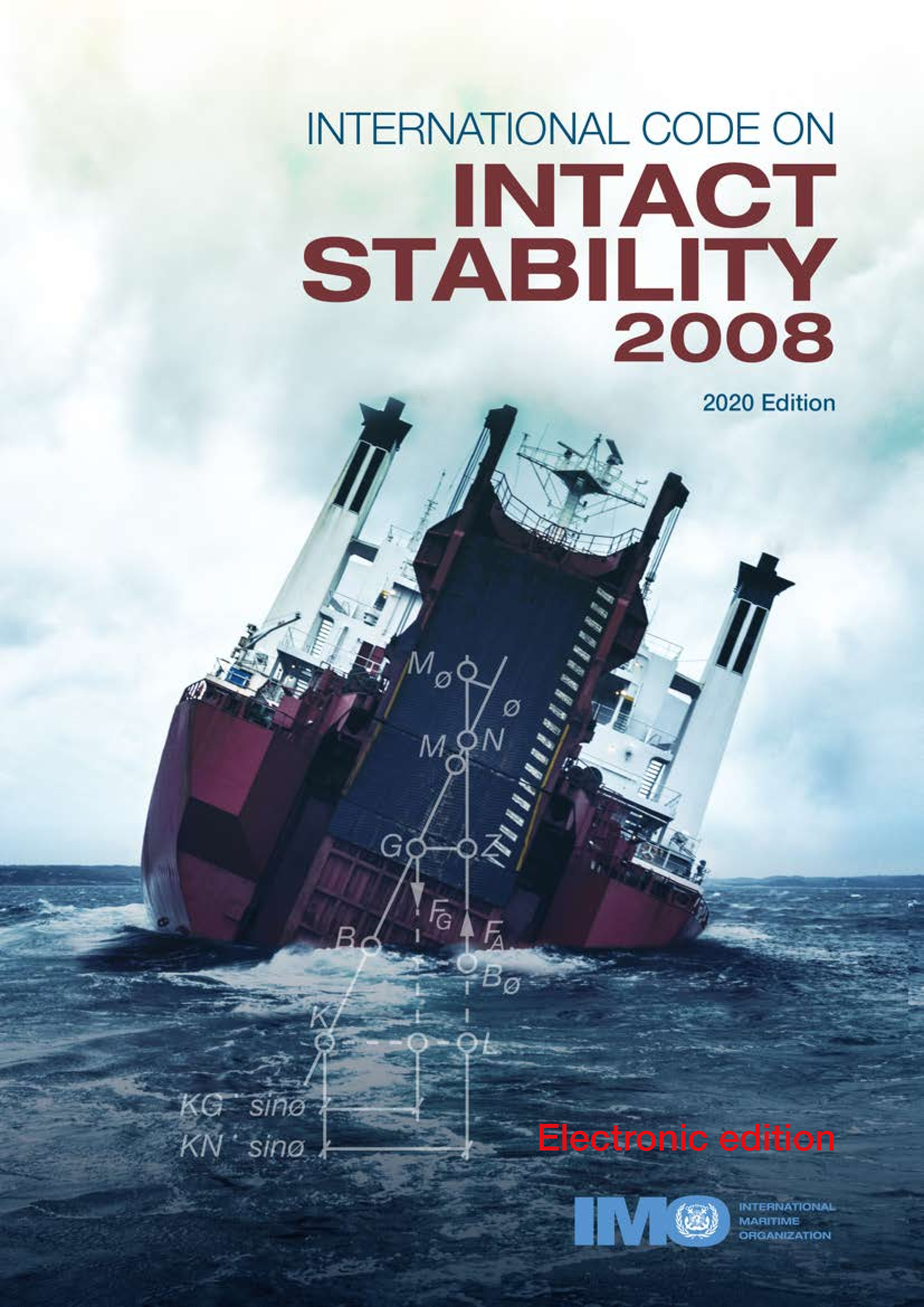
International Code on Intact Stability 2008
show More to view fulltext, buy and share links for:International Code on Intact Stability 2008 show Less to hide fulltext, buy and share links for: International Code on Intact Stability 2008The International Code on Intact Stability, 2008 (2008 IS Code) presents mandatory and recommendatory stability criteria and other measures for ensuring the safe operation of ships, to minimize the risk to such ships, to the personnel on board and to the environment.
The 2020 Edition features:
- an update of the 2008 IS Code, including all amendments that will have entered into force on 1 January 2020;
- minor additions and amendments to the mandatory part A of the Code;
- amendments to the Code’s recommendatory part B, including substantial additions to chapter 2 on Recommended design criteria for certain types of ships and chapter 3 on Guidance in preparing stability information, as well as the provision of a new annex 3;
- criteria based on the best state-of-the-art concepts available at the time they were developed; and influences on intact stability, as contained in the previous edition; and
- Explanatory Notes and the Unified Interpretations to the 2008 IS Code. This publication should be of interest to maritime administrations, ship manufacturers, shipping companies, education institutes and others concerned with intact stability criteria.
-
-
-
International Conference on Salvage (1989)
Final Act of the Conference and Convention on Salvage
show More to view fulltext, buy and share links for:International Conference on Salvage (1989) show Less to hide fulltext, buy and share links for: International Conference on Salvage (1989)The International Conference on Salvage, 1989, was convened for the purpose of establishing uniform international rules regarding salvage operations and resulted in the adoption of the International Convention on Salvage, 1989. Included in this publication are:
- Final Act of the Conference
- International Convention on Salvage, (Salvage) 1989
- Resolution requesting the amendment of the York-Antwerp Rules, 1974
- Resolution on international co-operation for the implementation of the International Convention on Salvage, 1989
-
-
-
International Conference on Tonnage Measurement of Ships, 1969
Final Act of the Conference, with attachments, including International Convention on Tonnage Measurements of Ships
show More to view fulltext, buy and share links for:International Conference on Tonnage Measurement of Ships, 1969 show Less to hide fulltext, buy and share links for: International Conference on Tonnage Measurement of Ships, 1969This publication establishes a universal system of tonnage measurement for ships engaged in international voyages; it includes:
- Final Act of the Conference;
- International Convention on Tonnage Measurement of Ships (Tonnage), 1969, including: Regulations for determining gross and net tonnages of ships and International Tonnage Certificate;
- Recommendations adopted by the Conference.
-
-
-
International Convention relating to Intervention on the High Seas in Cases of Oil Pollution Casualties, 1969 and Protocol relating to Intervention on the High Seas in Cases of Pollution by Substances other than Oil, 1973
show More to view fulltext, buy and share links for:International Convention relating to Intervention on the High Seas in Cases of Oil Pollution Casualties, 1969 and Protocol relating to Intervention on the High Seas in Cases of Pollution by Substances other than Oil, 1973 show Less to hide fulltext, buy and share links for: International Convention relating to Intervention on the High Seas in Cases of Oil Pollution Casualties, 1969 and Protocol relating to Intervention on the High Seas in Cases of Pollution by Substances other than Oil, 1973The Intervention Convention deals with the need to protect the interests of coastal States directly affected or threatened by the consequences of a maritime casualty which might result in pollution of the sea or coastlines by oil. This edition contains, in addition to the Convention, the Protocol relating to Intervention on the High Seas in Cases of Pollution by Substances other than Oil, 1973.
-
-
-
International Grain Code
International Code for the Safe Carriage of Grain in Bulk
show More to view fulltext, buy and share links for:International Grain Code show Less to hide fulltext, buy and share links for: International Grain CodeThe Maritime safety Committee, at its fifty-ninth session (May 1991), adopted a new International Code for the Safe Carriage of Grain in Bulk (International Grain Code). This replaced the original chapter VI of SOLAS, which contained detailed regulations on the carriage of grain in bulk, with more general requirements and placed the detailed provisions on grain in a separate mandatory code.
-
-
-
International Health Regulations (2005)
show More to view fulltext, buy and share links for:International Health Regulations (2005) show Less to hide fulltext, buy and share links for: International Health Regulations (2005)Published by WHO, this third edition contains the first amendment to the IHR (2005): a revision to Annex 7 adopted by the Sixty-seventh World Health Assembly in 2014 that entered into force for all State Parties on 11 July 2016. This e-reader edition also updates Appendix 1 containing the list of IHR (2005) States Parties (to include Liechtenstein and South Sudan).
-
-
-
International Medical Guide for Ships
show More to view fulltext, buy and share links for:International Medical Guide for Ships show Less to hide fulltext, buy and share links for: International Medical Guide for ShipsThe third edition of the (ILO/IMO/WHO) International Medical Guide for Ships shows designated first-aid providers how to diagnose, treat, and prevent the health problems of seafarers on board ship. This edition contains fully updated recommendations aimed to promote and protect the health of seafarers, and is consistent with the latest revisions of both the WHO Model List of Essential Medicines and the International Health Regulations. The International Labour Organization’s Maritime Labour Convention 2006 stipulates that all ships shall carry a medicine chest, medical equipment and a medical guide.
-
-
-
International SafetyNET Services Manual
show More to view fulltext, buy and share links for:International SafetyNET Services Manual show Less to hide fulltext, buy and share links for: International SafetyNET Services ManualSafetyNET is an international automatic direct-printing satellite-based service for the promulgation of maritime safety information including navigational warnings and meteorological information and other urgent safety-related messages to ships, as well as search and rescue-related information, and fulfils an integral role in the Global Maritime Distress and Safety System (GMDSS).
This edition of the Manual, renamed the International SafetyNET Services Manual, incorporates changes introduced to the Inmarsat satellite network and services including the Inmarsat Fleet Safety service, which has been recognized as a mobile satellite service for use in the GMDSS by adoption of resolution.
-
-
-
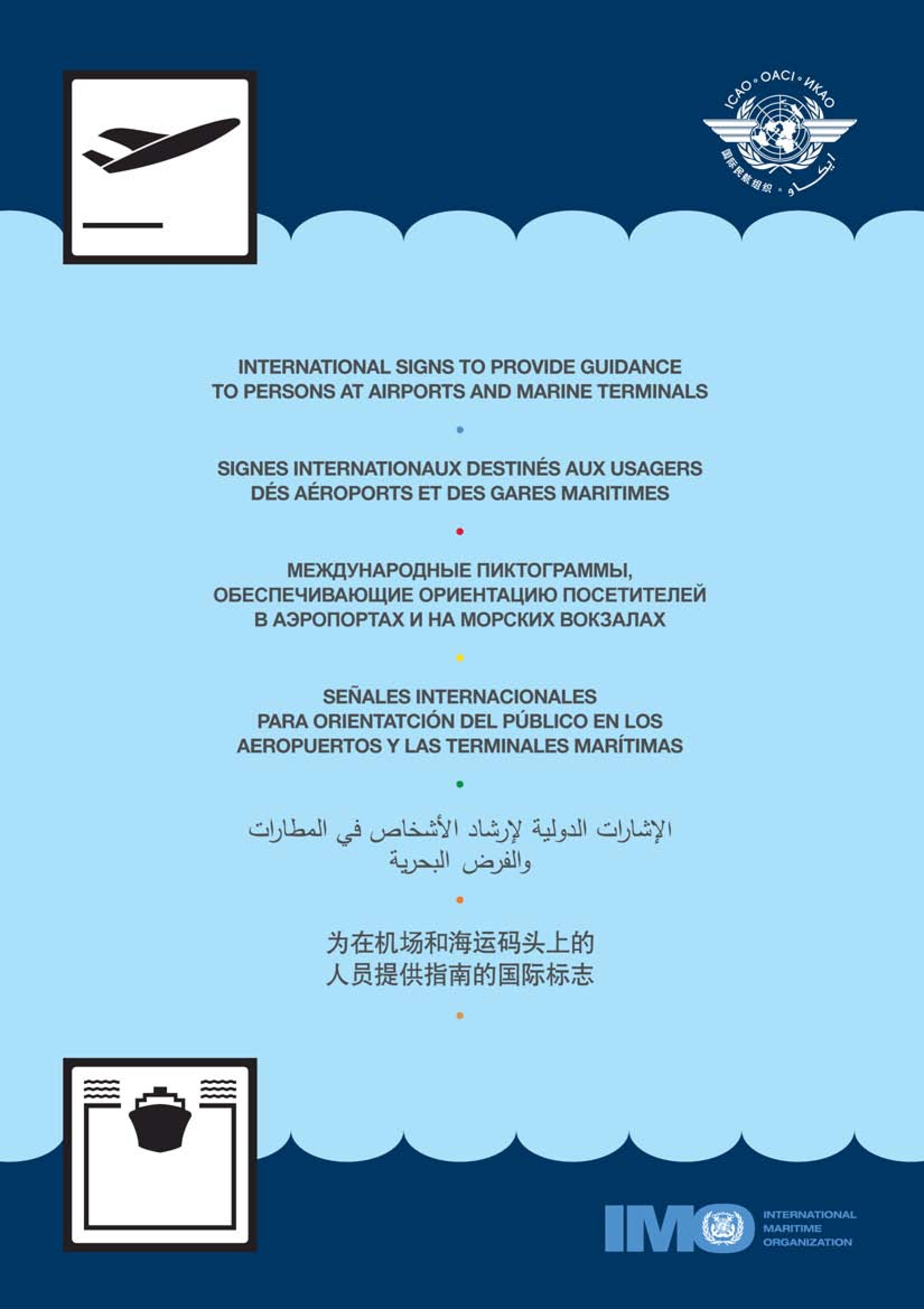
International Signs to Provide Guidance to Persons at Airports and Marine Terminals
show More to view fulltext, buy and share links for:International Signs to Provide Guidance to Persons at Airports and Marine Terminals show Less to hide fulltext, buy and share links for: International Signs to Provide Guidance to Persons at Airports and Marine TerminalsThis is a joint ICAO/IMO publication containing the signs and symbols for use at international airports and marine terminals.
-
-
-
Jefe de Máquinas y Primer Oficial de Máquinas de Buque Pesquero
Curso modelo 7.07
show More to view fulltext, buy and share links for:Jefe de Máquinas y Primer Oficial de Máquinas de Buque Pesquero show Less to hide fulltext, buy and share links for: Jefe de Máquinas y Primer Oficial de Máquinas de Buque PesqueroThe course is organized under three functions at the management level of responsibility to cover all the required functional elements. Specifically, this course covers the minimum standard of competence for chief engineer officers and second engineer officers on Fishing vessels powered by main propulsion machinery of 750 kW propulsion power or more required by regulation II/5 of STCW-F.
-
-
-
Joint IMO/IHO/WMO Manual on Maritime Safety Information
show More to view fulltext, buy and share links for:Joint IMO/IHO/WMO Manual on Maritime Safety Information show Less to hide fulltext, buy and share links for: Joint IMO/IHO/WMO Manual on Maritime Safety InformationBy clicking on the "Read" button on this page you will be accessing the PDF of the full book. To access the Full-Text version and PDFs of the individual chapters, click on the “Chapters” tab and select the chapter you would like to read.
This Manual provides a practical guide for the preparation of messages related to maritime safety information and the dissemination of navigational warnings and/or meteorological forecasts and warnings under the Global Maritime Distress and Safety System.
-
-
-
LC/LP Selection Guidance
Guidelines for selecting sites for the dumping of wastes and other matter at sea and for developing site management and monitoring plans
show More to view fulltext, buy and share links for:LC/LP Selection Guidance show Less to hide fulltext, buy and share links for: LC/LP Selection GuidanceThe objective of this publication is to provide detailed step-by-step guidelines on the selection of dump-sites for the dumping of wastes and other matter at sea and on development of site management and monitoring plans to help manage dump-sites during and after use. These guidelines specifically address the wastes and other matter that may be considered for dumping at sea, listed in annex 1 of the London Protocol.
-
-
-
Leadership and Teamwork
Model Course 1.39
show More to view fulltext, buy and share links for:Leadership and Teamwork show Less to hide fulltext, buy and share links for: Leadership and TeamworkThe course is designed to meet STCW requirements for the application of leadership and team-working skills, in accordance with the 2010 Manila Amendments, specifically as stated in table A-II/1, A-III/1 and A-III/6, Function: Controlling the operation of the ship and care for persons on board at the operational level. The course aims to provide the knowledge, skill and understanding of leadership and teamwork at the operational level on board ship.
-
-
-
Les SMCP de l'OMI
Phrases normalisées de l'OMI pour les communications maritimes
show More to view fulltext, buy and share links for:Les SMCP de l'OMI show Less to hide fulltext, buy and share links for: Les SMCP de l'OMILes communications ayant trait à la navigation et à la sécurité entre le navire et la terre et inversement, entre les navires et à bord des navires doivent être précises, simples et sans ambiguïté, de façon à éviter les confusions et les erreurs; il est nécessaire de normaliser la langue utilisée.
En vertu de la Convention internationale de 1978 sur les normes de formation des gens de mer, de délivrance des brevets et de veille, telle que modifiée en 1995, l'aptitude à utiliser et comprendre les SMCP de l'OMI fait partie des compétences requises pour la délivrance du brevet d'officier chargé du quart à la passerelle à bord des navires d'une jauge brute égale ou supérieure à 500.
-
-
-
Life-saving Appliances Including LSA Code
show More to view fulltext, buy and share links for:Life-saving Appliances Including LSA Code show Less to hide fulltext, buy and share links for: Life-saving Appliances Including LSA CodeThis publication contains the three most important IMO instruments dealing with life-saving appliances, as updated, namely:
- the International Life-Saving Appliance (LSA) Code (resolution MSC.48(66));
- the Revised recommendation on testing of life-saving appliances (resolution MSC.81(70)); and
- the Code of Practice for the Evaluation, Testing and Acceptance of Prototype Novel Life-saving appliances and Arrangements (resolution A.520(13)).
-
-
-
Limitación de la responsabilidad por reclamaciones de derecho marítimo
show More to view fulltext, buy and share links for:Limitación de la responsabilidad por reclamaciones de derecho marítimo show Less to hide fulltext, buy and share links for: Limitación de la responsabilidad por reclamaciones de derecho marítimoLa presente publicación contiene los siguientes textos:
- Convenio sobre limitación de la responsabilidad nacida de reclamaciones de derecho marítimo, 1976
- Protocolo de 1996, enmendado mediante la resolución LEG.5(99)
- Texto refundido de las disposiciones sustantivas del Convenio de 1976 enmendadas por el Protocolo de 1996, incluidos los límites enmendados de responsabilidad
-
-
-
Limitation de la responsabilité en matière de créances maritimes
show More to view fulltext, buy and share links for:Limitation de la responsabilité en matière de créances maritimes show Less to hide fulltext, buy and share links for: Limitation de la responsabilité en matière de créances maritimesLa présente publication contient les textes suivants :
- Convention de 1976 sur la limitation de la responsabilité en matière de créances maritimes (Convention LLMC de 1976)
- Protocole de 1996, tel que modifié par la résolution LEG.5(99)
- Texte récapitulatif des dispositions de fond de la Convention LLMC de 1976, telle que modifiée par le Protocole de 1996, y compris les amendements aux montants de limitation de la responsabilité
-
-
-
Limitation of Liability for Maritime Claims
show More to view fulltext, buy and share links for:Limitation of Liability for Maritime Claims show Less to hide fulltext, buy and share links for: Limitation of Liability for Maritime ClaimsAmendments to increase the limits of liability in the 1996 Protocol to amend the Convention on Limitation of Liability for Maritime claims, 1976 (LLMC Protocol 1996) entered into force on 8 June 2015, raising the amount claimable for loss of life or personal injury on ships (not exceeding 2,000 gross tonnage) to 3.02 million Special Drawing Rights (SDR), up from 2 million SDR (additional amounts are claimable on larger ships).
The 1976 LLMC Convention sets specified limits of liability for certain types of claims against shipowners: Claims for loss of life or personal injury; and Other claims, such as property claims (including damage to other ships, property or harbour works), delay, bunker spills, wreck removal, pollution damage, etc. The Convention also allows for shipowners and salvors to limit their liability except if ‘it is proved that the loss resulted from his personal act or omission, committed with the intent to cause such loss, or recklessly and with knowledge that such loss would probably result.
-
-
-
Liquefied Natural Gas (LNG) Tanker Cargo and Ballast Handling Simulator
Model Course 1.36
show More to view fulltext, buy and share links for:Liquefied Natural Gas (LNG) Tanker Cargo and Ballast Handling Simulator show Less to hide fulltext, buy and share links for: Liquefied Natural Gas (LNG) Tanker Cargo and Ballast Handling SimulatorThis is a practical course for Officers and ratings who are to serve on board liquefied natural gas tankers and are required by STCW Convention, regulation V/1-2, to have appropriate operational experience on board liquefied natural gas tankers, or to have completed approved shore-based specialized training related to gas tanker operations. The course consists of a series of exercises structured around the operation of the cargo and ballast systems of an LNG tanker and carried out using an approved simulator.
-
-
-
Liquefied Petroleum Gas (LPG) Tanker Cargo and Ballast Handling Simulator
Model course 1.35
show More to view fulltext, buy and share links for:Liquefied Petroleum Gas (LPG) Tanker Cargo and Ballast Handling Simulator show Less to hide fulltext, buy and share links for: Liquefied Petroleum Gas (LPG) Tanker Cargo and Ballast Handling SimulatorThis course aims to meet the mandatory standards of competence in advanced training for liquefied gas tanker cargo operations, particularly for LPG tanker cargo and ballast operations using approved simulator training. Tailored to the trainees’ needs and experience levels, the course is a key resource to aid trainees in mastering essential procedures and equipment in compliance with international standards.
-
-
-
Load Lines Convention 1966
Including revised Unified Interpretations
show More to view fulltext, buy and share links for:Load Lines Convention 1966 show Less to hide fulltext, buy and share links for: Load Lines Convention 1966The International Convention on Load Lines, 1966, adopted by the International Conference on Load Lines on 5 April 1966, entered into force on 21 July 1968 and has been modified by the 1988 Protocol relating thereto and amended by Assembly and Maritime Safety Committee resolutions over the past 50 years.
This 2021 edition includes up-to-date, consolidated text in line with amendments adopted up to 1 July 2021, as well as updated unified interpretations that have been keyed to relevant articles and regulations.
-
-
-
London Convention and London Protocol
show More to view fulltext, buy and share links for:London Convention and London Protocol show Less to hide fulltext, buy and share links for: London Convention and London ProtocolThis publication contains the full text of the Convention on the prevention of marine pollution by dumping of wastes and other matter at sea, 1972 (London Convention) and the 1996 Protocol (London Protocol), as amended. The following related resources are also included:
- A list of resolutions adopted under the two treaties
- Prospective amendments to the London Protocol that are pending entry into force
- Terms of reference for the subsidiary bodies under the London Convention and Protocol
-
-
-
Low Cost, Low Technology Compliance Monitoring
Assessment of Permit Compliance for Disposal of Waste and Other Matter at Sea
show More to view fulltext, buy and share links for:Low Cost, Low Technology Compliance Monitoring show Less to hide fulltext, buy and share links for: Low Cost, Low Technology Compliance MonitoringThe objective of this publication is to provide practical information about using low cost and low technology approaches that are useful for monitoring compliance with permit conditions associated with ocean disposal of waste materials or other matter. The primary audiences for this guidance are countries that are in the early stages of developing waste assessment and monitoring actions in concert with permit programmes for disposal of wastes and other matter into marine waters.
-
-
-
Low Cost, Low Technology Field Monitoring
Assessment of the Effects of Disposal in Marine Waters of Dredged Material or Inert, Inorganic, Geological Material
show More to view fulltext, buy and share links for:Low Cost, Low Technology Field Monitoring show Less to hide fulltext, buy and share links for: Low Cost, Low Technology Field MonitoringThe objective of this publication is to provide practical information about using low cost and low technology tools that are useful for monitoring of possible environmental impacts associated with disposal at sea of either Dredged material or inert, inorganic geological materials.
The primary audiences for this guidance are countries that are in the early stages of developing waste assessment and monitoring actions in concert with permit programmes for disposal of wastes and other matter at sea.
-
-
-
MANUAL OMI/PNUMA sobre la evaluación de los daños ocasionados al medio ambiente y su rehabilitación tras un derrame de hidrocarburos en el mar
show More to view fulltext, buy and share links for:MANUAL OMI/PNUMA sobre la evaluación de los daños ocasionados al medio ambiente y su rehabilitación tras un derrame de hidrocarburos en el mar show Less to hide fulltext, buy and share links for: MANUAL OMI/PNUMA sobre la evaluación de los daños ocasionados al medio ambiente y su rehabilitación tras un derrame de hidrocarburos en el marThe objective of the Manual is to provide guidance on strategies that may be used to assess the damage and subsequent recovery of the environment resulting from marine pollution incidents. Available techniques are considered together with criteria to help judge the feasibility of such measures to bring about successful recovery of those environments.
The Manual emphasizes the importance of pre-spill planning and provides an overview of assessment techniques and restoration measure in various ecosystems. It also provides guidance on opportunities for compensation through the international oil compensation schemes. Practical examples of natural resource assessment and restoration are provided through a series of case studies.
-
-
-
MARPOL
Articles, Protocols, Annexes and unified interpretations of the International Convention for the Prevention of Pollution from Ships, 1973, as modified by the 1978 and 1997 Protocols
show More to view fulltext, buy and share links for:MARPOL show Less to hide fulltext, buy and share links for: MARPOLBy clicking on the "Read" button on this page you will be accessing the PDF of the full book. To access the Full-Text version and PDFs of the individual chapters, click on the “Chapters” tab and select the chapter you would like to read.
The International Convention for the Prevention of Pollution from Ships, 1973 (MARPOL Convention), is concerned with preserving the marine environment through the prevention of pollution by oil and other harmful substances and the minimization of accidental discharge of such substances. Its technical content is laid out in six Annexes, the first five of which were adopted by the 1973 Convention, as modified by a 1978 Protocol. These Annexes cover pollution of the sea by oil, by noxious liquid substances in bulk, by harmful substances in packaged form, by sewage from ships and by garbage from ships. Annex VI was adopted by a further Protocol in 1997 and covers air pollution from ships.
The 2022 consolidated edition provides an easy and comprehensive reference to the up-to-date provisions and unified interpretations of the articles, Protocols and Annexes of the MARPOL Convention, including the incorporation of all of the amendments that have been adopted by the Marine Environment Protection Committee (MEPC) with entry into force up to 1 November 2022.
-
-
-
MARPOL
Convenio internacional para prevenir la contaminación por los buques, 1973
show More to view fulltext, buy and share links for:MARPOL show Less to hide fulltext, buy and share links for: MARPOLEl Convenio internacional para prevenir la contaminación por los buques, 1973 (Convenio MARPOL), tiene como finalidad la conservación del medio marino mediante la prevención de la contaminación por hidrocarburos y otras sustancias perjudiciales y la reducción al mínimo de las descargas accidentales de tales sustancias. Su contenido técnico está recogido en seis anexos, de los cuales, los cinco primeros fueron adoptados como parte del Convenio de 1973, modificado por el Protocolo de 1978. Estos anexos tratan de la contaminación por hidrocarburos, por sustancias nocivas líquidas a granel, por sustancias perjudiciales transportadas por mar en bultos, por las aguas sucias de los buques y por las basuras de los buques. El Anexo VI fue adoptado mediante otro protocolo en 1997 y trata de la contaminación atmosférica ocasionada por los buques.
La edición refundida de 2022 tiene por objeto facilitar la consulta de las disposiciones e interpretaciones unificadas actualizadas de los artículos, Protocolos y Anexos del Convenio MARPOL, e incorpora todas las enmiendas que han sido adoptadas por el Comité de protección del medio marino (MEPC) con entrada en vigor hasta el 1 de noviembre de 2022.
-
-
-
MARPOL Anexo VI y Código NOx 2008 y directrices para la implantación
show More to view fulltext, buy and share links for:MARPOL Anexo VI y Código NOx 2008 y directrices para la implantación show Less to hide fulltext, buy and share links for: MARPOL Anexo VI y Código NOx 2008 y directrices para la implantaciónEl Anexo VI del Convenio MARPOL: «Reglas para prevenir la contaminación atmosférica ocasionada por los buques» contiene prescripciones sobre el control de las emisiones de contaminantes atmosféricos procedentes de los buques (capítulo 3) y la intensidad de carbono del transporte marítimo internacional (capítulo 4). Las prescripciones sobre el control de los óxidos de nitrógeno (NOx) que figuran en el capítulo 3, se complementan con el Código técnico sobre los NOx 2008, de obligado cumplimiento, que abarca la inspección, el reconocimiento y la certificación de los motores diésel marinos.
Esta quinta edición de los textos refundidos del Anexo VI del Convenio MARPOL y del Código técnico sobre los NOx 2008 contiene todas las enmiendas hasta las adoptadas en el MEPC 76 (junio de 2021), en particular, las relativas a las medidas de reducción de los gases de efecto invernadero (GEI) a corto plazo de la OMI (el índice de eficiencia energética aplicable a los buques existentes (EEXI), el indicador de intensidad de carbono (CII) y el Plan de gestión de la eficiencia energética del buque (SEEMP) mejorado).
También incluye las últimas versiones de directrices y otra información que guardan relación con la aplicación del Anexo VI del Convenio MARPOL y del Código técnico sobre los NOx 2008, y que, entre otras cosas, se refieren a lo siguiente:
- los sistemas de tratamiento de los gases de escape y las medidas de reducción de las emisiones de NOx y SOx procedentes de los buques;
- la mejora de la eficiencia energética para reducir las emisiones de GEI procedentes de los buques, en relación con el capítulo 4 del Anexo VI del Convenio MARPOL; y
- el contenido de azufre del fueloil utilizado por los buques.
Esta publicación tiene por objeto ser de utilidad para las administraciones marítimas, las organizaciones reconocidas, las compañías navieras, las sociedades de clasificación, los institutos de educación, los constructores navales y los fabricantes de equipos, junto con otras personas interesadas en la prevención de la contaminación atmosférica procedente de los buques y en las medidas técnicas y operacionales para mejorar la eficiencia energética de estos.
-
-
-
MARPOL Annex VI and NTC 2008 with Guidelines for Implementation
show More to view fulltext, buy and share links for:MARPOL Annex VI and NTC 2008 with Guidelines for Implementation show Less to hide fulltext, buy and share links for: MARPOL Annex VI and NTC 2008 with Guidelines for ImplementationMARPOL Annex VI, Regulations for the prevention of air pollution from ships, covers the requirements in respect of both control of emissions of air pollutants from ships (chapter 3) and carbon intensity of international shipping (chapter 4). The requirements for control of nitrogen oxides (NOx) emissions, given by chapter 3, are supplemented by the mandatory NOx Technical Code 2008, which covers the testing, survey and certification of marine diesel engines.
This fifth edition of the consolidated texts of MARPOL Annex VI and the NOx Technical Code 2008 includes all amendments through to those adopted at MEPC 76 in June 2021, in particular those on the IMO short-term greenhouse gas (GHG) reduction measures (EEXI, CII and enhanced SEEMP).
Also contained are the current versions of the Guidelines and other information relevant to the application of MARPOL Annex VI and the NOx Technical Code 2008. These include all those related to:
- exhaust gas treatment systems and measures for reduction of NOx and SOx emissions from ships;
- improvement of energy efficiency to reduce GHG emissions from ships, related to chapter 4 of MARPOL Annex VI; and
- sulphur content of fuel oil used by ships.
This publication is intended to be of use to maritime administrations, recognized organizations, shipping companies, classification societies, educational institutes, shipbuilders and equipment manufacturers together with others with an interest in the prevention of air pollution from ships and in the technical and operational measures to improve the energy efficiency of ships.
-
-
-
MARPOL Annexe VI et Code NOx, 2008
et directives d'application
show More to view fulltext, buy and share links for:MARPOL Annexe VI et Code NOx, 2008 show Less to hide fulltext, buy and share links for: MARPOL Annexe VI et Code NOx, 2008L’Annexe VI de MARPOL sur les Règles relatives à la prévention de la pollution de l’atmosphère par les navires contient les prescriptions relatives tant aux émissions dans l’atmosphère (chapitre 3) qu’au rendement énergétique des navires (chapitre 4). Le contrôle des oxydes d’azote (NOx) figurant au chapitre 3 est complété par les dispositions obligatoires figurant dans le Code technique sur les NOx, 2008, lequel couvre la mise à l’essai, l’inspection et la certification des moteurs diesel marins.
La cinquième édition des textes récapitulatifs de l’Annexe VI de MARPOL et du Code technique sur les NOx, 2008 inclut tous les amendements adoptés jusqu’à la soixante-septième session du Comité de la protection du milieu marin (MEPC 76) tenue en juin 2021, en particulier ceux concernant les mesures de réduction des gaz à effet de serre (GES) à court terme de l’OMI et les mesures de réduction (EEXI, CII et SEEMP amélioré). Elle comporte également les versions actualisées des directives et autres renseignements portant sur l’application de l’Annexe VI de MARPOL et du Code technique sur les NOx, 2008.
Y figurent, entre autres, tous les renseignements liés aux points suivants :
- les dispositifs d’épuration des gaz d’échappement et les mesures de réduction des émissions de NOx et de SOx provenant des navires;
- l’amélioration du rendement énergétique pour réduire les émissions de gaz à effet de serre (GES) provenant des navires, conformément au chapitre 4 de l’Annexe VI de MARPOL; et
- la teneur en soufre du fuel-oil utilisé à bord des navires.
La présente publication est utile aux administrations maritimes, organismes reconnus, compagnies maritimes, sociétés de classification, établissements d’enseignement, constructeurs de navires et fabricants d’équipement et à tous ceux qui s’intéressent à la prévention de la pollution de l’atmosphère par les navires et aux mesures techniques et opérationnelles visant à améliorer le rendement énergétique des navires.
-
-
-
MARPOL – Comment procéder
show More to view fulltext, buy and share links for:MARPOL – Comment procéder show Less to hide fulltext, buy and share links for: MARPOL – Comment procéderLe présent manuel fournit des renseignements pratiques utiles aux gouvernements, en particulier ceux des pays en développement, sur les conséquences techniques, économiques et juridiques de la ratification, de l’application et de la mise en œuvre de la Convention MARPOL et de ses Annexes.
-
-
-
MARPOL – Cómo llevarlo a la práctica
show More to view fulltext, buy and share links for:MARPOL – Cómo llevarlo a la práctica show Less to hide fulltext, buy and share links for: MARPOL – Cómo llevarlo a la prácticaEste manual facilita información práctica y útil a los Gobiernos, en particular, a los de países en desarrollo, sobre las repercusiones técnicas, económicas y jurídicas de la ratificación, la implantación y el cumplimiento del Convenio MARPOL y de sus anexos.
-
-
-
MARPOL – How to do it
show More to view fulltext, buy and share links for:MARPOL – How to do it show Less to hide fulltext, buy and share links for: MARPOL – How to do itThis manual provides useful, practical information to Governments, particularly those of developing countries, on the technical, economic and legal implications of ratifying, implementing and enforcing the MARPOL Convention and its Annexes.
-