International Maritime Organization
1 - 50 of 663 results
-
-
اﺗﻔﺎﻗﻴﺔ عام 1969ﺍﻟﺪﻭﻟﻴﺔ ﺍﻟﻤﺘﻌﻠﻘﺔ ﺑﺎﻟﺘﺪﺧﻞ ﻓﻲ ﺃﻋـﺎﻟـﻲ ﺍﻟﺒـﺤـﺎﺭ ﻓﻲ ﺣﺎﻟﺔ ﻭﻗﻮﻉ ﺣﻮﺍﺩﺙ ﻣﺴﺒﺒﺔ ﻟﻠﺘﻠﻮﺙ ﺍﻟﺰﻳﺘﻲ ﻭﺒﺮﻭﺗﻮﻛﻮﻝ عام 1973 ﺍﻟﻤﺘﻌﻠﻖ ﺑـﺎﻟﺘـﺪﺧﻞ ﻓﻲ ﺃﻋـﺎﻟـﻲ ﺍﻟﺒـﺤـﺎﺭ ﻓﻲ ﺣﺎﻻﺕ ﺍﻟﺘﻠﻮﺙ ﺑﻤﻮﺍﺩ ﻏﻴﺮ ﺍﻟﺰﻳﺖ
show More to view fulltext, buy and share links for:اﺗﻔﺎﻗﻴﺔ عام 1969ﺍﻟﺪﻭﻟﻴﺔ ﺍﻟﻤﺘﻌﻠﻘﺔ ﺑﺎﻟﺘﺪﺧﻞ ﻓﻲ ﺃﻋـﺎﻟـﻲ ﺍﻟﺒـﺤـﺎﺭ ﻓﻲ ﺣﺎﻟﺔ ﻭﻗﻮﻉ ﺣﻮﺍﺩﺙ ﻣﺴﺒﺒﺔ ﻟﻠﺘﻠﻮﺙ ﺍﻟﺰﻳﺘﻲ ﻭﺒﺮﻭﺗﻮﻛﻮﻝ عام 1973 ﺍﻟﻤﺘﻌﻠﻖ ﺑـﺎﻟﺘـﺪﺧﻞ ﻓﻲ ﺃﻋـﺎﻟـﻲ ﺍﻟﺒـﺤـﺎﺭ ﻓﻲ ﺣﺎﻻﺕ ﺍﻟﺘﻠﻮﺙ ﺑﻤﻮﺍﺩ ﻏﻴﺮ ﺍﻟﺰﻳﺖ show Less to hide fulltext, buy and share links for: اﺗﻔﺎﻗﻴﺔ عام 1969ﺍﻟﺪﻭﻟﻴﺔ ﺍﻟﻤﺘﻌﻠﻘﺔ ﺑﺎﻟﺘﺪﺧﻞ ﻓﻲ ﺃﻋـﺎﻟـﻲ ﺍﻟﺒـﺤـﺎﺭ ﻓﻲ ﺣﺎﻟﺔ ﻭﻗﻮﻉ ﺣﻮﺍﺩﺙ ﻣﺴﺒﺒﺔ ﻟﻠﺘﻠﻮﺙ ﺍﻟﺰﻳﺘﻲ ﻭﺒﺮﻭﺗﻮﻛﻮﻝ عام 1973 ﺍﻟﻤﺘﻌﻠﻖ ﺑـﺎﻟﺘـﺪﺧﻞ ﻓﻲ ﺃﻋـﺎﻟـﻲ ﺍﻟﺒـﺤـﺎﺭ ﻓﻲ ﺣﺎﻻﺕ ﺍﻟﺘﻠﻮﺙ ﺑﻤﻮﺍﺩ ﻏﻴﺮ ﺍﻟﺰﻳﺖتتناول اتفاقية التدخل مسألة ضرورة حماية الدول الساحلية التي تتعرض لضرر أو تهديد مباشر من جراء حادث نقل بحري من شأنه أن يؤدي إلى تلوث البحر أو السواحل بالزيت. وتتضمن هذه الطبعة، فضلاً عن الاتفاقية، بروتوكول عام 1973 المتعلق بالتدخل في أعالي البحار في حالات التلوث بمواد غير الزيت.
-
-
-
1966 اﺘﻔﺎﻗﯿﺔ ﺨطوط اﻟﺘﺤﻤﯿل ﻟﻌﺎم
ﻤﺘﻀﻤّﻨﺔً اﻟﺘﻔﺎﺴﯿر اﻟﻤوﺤّدة اﻟﻤﻨﻘّﺤﺔ
show More to view fulltext, buy and share links for:1966 اﺘﻔﺎﻗﯿﺔ ﺨطوط اﻟﺘﺤﻤﯿل ﻟﻌﺎم show Less to hide fulltext, buy and share links for: 1966 اﺘﻔﺎﻗﯿﺔ ﺨطوط اﻟﺘﺤﻤﯿل ﻟﻌﺎمدخلت الاتفاقية الدولية لخطوط التحميل لعام 1966 التي اعتمدها المؤتمر الدولي بشأن خطوط التحميل في 5 نيسان/أبريل 1966 حيّز النفاذ في 21 تموز/يوليو 1968 وأجريت تغييرات عليها بموجب بروتوكول عام 1968 المتعلق بها وُعدﱢلت بموجب قرارات صدرت عن الجمعية ولجنة السلامة البحرية على مدار السنوات الخمسين الماضية .
وتتضمن طبعة عام 2021 هذه النص المحدﱠث الجامع للتعديلات التي أجريت على الاتفاقية حتى 1 تموز/يوليو 2021 فضلاً عن التفاسير الموﺤﱠﺪة المحدﱠثة التي صدرت للمواد واللوائح ذات الصلة .
-
-
-
1966年载重线公约
包括经修订的《统一解释》
show More to view fulltext, buy and share links for:1966年载重线公约 show Less to hide fulltext, buy and share links for: 1966年载重线公约《1966年国际载重线公约》于1966年4月5日在国际载重线会议上通过,并于1968年7月21日生效。本公约业已经其1988年议定书修订,并在过去的50年里经大会和海上安全委员会的决议进行了修正。
本公约2021年版包括了截至2021年7月1日通过的修正案的最新综合文本,并附有相关条款和规定的最新统一解释
-
-
-
1989年国际救助会议最后文件和救助公约
show More to view fulltext, buy and share links for:1989年国际救助会议最后文件和救助公约 show Less to hide fulltext, buy and share links for: 1989年国际救助会议最后文件和救助公约1989年国际救助会议召开的目的是为了确立有关救助行动的统一国际规则,会议最终通过了《1989年国际救助公约》。本出版物中包括:
- − 会议最后文件
- − —要求修正《1974年约克—安特卫普规则》的决议
- − —关于为实施《1989年国际救助公约》而进行国际合作的决议
-
-
-
1994 HSC Code
International Code of Safety for High-Speed Craft, 1994
show More to view fulltext, buy and share links for:1994 HSC Code show Less to hide fulltext, buy and share links for: 1994 HSC CodeThe International Code of Safety for High-Speed Craft, 1994 (1994 HSC Code) was adopted by the Maritime Safety Committee at its sixty-third session (May 1994) by resolution MSC.36(63), the 1994 SOLAS Conference (May 1994) made the 1994 HSC Code mandatory by the addition of a new chapter X which came into force in January 1996.
The 1994 HSC Code has been developed following a revision of the Code of Safety for Dynamically Supported Craft (resolution A.373(X)) and in recognition of the growth in size and types of high-speed craft.
-
-
-
2000 HSC Code
International Code of Safety for High-Speed Craft, 2000
show More to view fulltext, buy and share links for:2000 HSC Code show Less to hide fulltext, buy and share links for: 2000 HSC CodeThe International Code of Safety for High-Speed Craft, 2000 (2000 HSC Code) applies to high-speed craft that are involved in international voyages and for which the keels were laid after 1 January 1996. The 2000 HSC Code applies to craft for which the keels were laid, or which were at a similar stage of construction, on or after 1 July 2002. The application of both HSC Codes is mandatory under chapter X of the SOLAS Convention.
-
-
-
2005年渔民和渔船安全规则: A部分安全和卫生做法
show More to view fulltext, buy and share links for:2005年渔民和渔船安全规则: A部分安全和卫生做法 show Less to hide fulltext, buy and share links for: 2005年渔民和渔船安全规则: A部分安全和卫生做法2004年,海上安全委员会(MSC)在其第七十九届会议上批准了经修订的《规则》,2005年,粮农组织(FAO)渔委会在其第二十六届会议和国际劳工组织(ILO)在其第293届会议上批准了经修订的《规则》。本《规则》分为以下两个部分(单独发售):
- A部分—2005年船长和船员的安全和卫生做法
- B部分—2005年渔船构造和设备的安全和卫生要求
-
-
-
2005年渔民和渔船安全规则: B部分渔船构造和设备的安全和卫生要求
show More to view fulltext, buy and share links for:2005年渔民和渔船安全规则: B部分渔船构造和设备的安全和卫生要求 show Less to hide fulltext, buy and share links for: 2005年渔民和渔船安全规则: B部分渔船构造和设备的安全和卫生要求2004年,海上安全委员会(MSC)在其第七十九届会议上批准了经修订的《规则》,2005年,粮农组织(FAO)渔委会在其第二十六届会议和国际劳工组织(ILO)在其第293届会议上批准了经修订的《规则》。本《规则》分为以下两个部分(单独发售):
- A部分—2005年船长和船员的安全和卫生做法
- B部分—2005年渔船构造和设备的安全和卫生要求
-
-
-
2007年内罗毕国际残骸清除公约
show More to view fulltext, buy and share links for:2007年内罗毕国际残骸清除公约 show Less to hide fulltext, buy and share links for: 2007年内罗毕国际残骸清除公约本出版物谈述:
- 报告和确定船舶及残骸位置
- 确定残骸构成的危害的标准
- 便利残骸清除的措施
- 船舶所有人承担船舶和残骸的定位、标记和清除费用
- 争端的解决
-
-
-
2009 MODU Code
Code for the Construction and Equipment of Mobile Offshore Drilling Units, 2009
show More to view fulltext, buy and share links for:2009 MODU Code show Less to hide fulltext, buy and share links for: 2009 MODU CodeThe Code for the Construction and Equipment of Mobile Offshore Drilling Units, 2009 (2009 MODU Code) provides an international standard for mobile offshore drilling units (MODU) constructed on or after 1 January 2012. It facilitates their international movement and operation and ensures a level of safety for such units and for personnel on board, equivalent to that required by the 1974 SOLAS Convention and the Protocol of 1988 relating to the International Convention on Load Lines, 1966, for conventional ships engaged on international voyages.
This edition of the 2009 MODU Code incorporates the 2013 (MSC.359(92)), 2014 (MSC.384(94) and MSC.387(94)), 2016 (MSC.407(96)) and 2017 (MSC.435(98)) amendments to the Code.
For mobile offshore drilling units constructed before 1 January 2012, the provisions of the previous MODU Codes (1989 and 1979) apply, depending on the date of their construction.
-
-
-
2010 Código PEF
Código Internactional para la Aplicación de Procedimientos de Ensayo de Exposición al Fuego, 2010 (resolución MSC.307(88))
show More to view fulltext, buy and share links for:2010 Código PEF show Less to hide fulltext, buy and share links for: 2010 Código PEFEl Código PEF 2010, junto con las enmiendas pertinentes del Convenio SOLAS, entró en vigor el 1 de julio de 2012. Incluye prescripciones internacionales para los laboratorios de ensayo y la homologación y procedimientos de ensayo de exposición al fuego para productos enumerados en el capítulo II-2 del Convenio SOLAS. Revisa y actualiza la edición de 1966 del Código PEF exhaustivamente.
El Código incluye:
- ensayos de incombustibilidad
- ensayos de producción de humo y toxicidad
- ensayos para divisiones de clase «A», «B» y «F»
- ensayos de los sistemas de control de las puertas contraincendios
- ensayos de infl amabilidad de las superfi cies
- ensayos de textiles y películas colocados verticalmente
- ensayos de mobiliario tapizado
- ensayos de artículos de cama
- ensayos de materiales pirorrestrictivos para naves de gran velocidad, y
- ensayos de las divisiones pirorresistentes de las naves de gran velocidad
También contiene anexos sobre productos que se pueden instalar sin ser objeto de ensayo o aprobación y sobre materiales de protección contra incendios y métodos de ensayo prescritos para su aprobación.
-
-
-
2010 FTP Code
International Code for Application of Fire Test Procedures, 2010
show More to view fulltext, buy and share links for:2010 FTP Code show Less to hide fulltext, buy and share links for: 2010 FTP CodeThe International Code for Application of Fire Test Procedures, (2010 FTP Code) was developed with the aim to enhance user friendliness, ensure more uniform application of the requirements on fire testing and generalize the experience gained so far from the application of resolution MSC.61(67). Bearing in mind the intent of developers to formulate the requirements for fire test procedures in a form which would be as close to general industry’s procedures as possible, one of the aims of the Code was to update references to all ISO applicable standards. The present Code contains requirements for the testing process itself: testing laboratories, format of test reports, and provides procedures of type and case-by-case approval of materials, components and structures intended for maritime applications. Taking due account of alternative designs and arrangements which have been made possible by virtue of SOLAS regulation II-2/17, adopted by resolution MSC.99(73) in 2000, the Code also provides for the possibility of conducting alternative tests on a proviso that the level of safety of the tested materials, components and structures set by the Convention is not compromised and corresponds to at least that contained in its prescriptive requirements.
-
-
-
2010 HNS Convention
International Convention on Liability and Compensation for Damage in Connection with the Carriage of Hazardous and Noxious Substances by Sea, 2010
show More to view fulltext, buy and share links for:2010 HNS Convention show Less to hide fulltext, buy and share links for: 2010 HNS ConventionThe International Convention on Liability and compensation for Damage in Connection with the Carriage of Hazardous and Noxious Substances by Sea, (2010 HNS Convention) is divided into three parts:
- 2010 HNS Convention and guidelines on reporting of HNS contributing cargo
- the Protocol of 2010 to the International Convention and the Final Act of the International Conference of 2010 on the Revision of the HNS Convention
- 1996 HNS Convention and the Final Act of the International Conference on Hazardous and Noxious Substances and Limitation of Liability, 1996
-
-
-
2010年有害有毒物质公约
2010年国际海上运输有害和有毒物质 损害责任和赔偿公约
show More to view fulltext, buy and share links for:2010年有害有毒物质公约 show Less to hide fulltext, buy and share links for: 2010年有害有毒物质公约本出版物分为三个部分。
第一部分
- 2010年国际海上运输有害和有毒物质损害责任和赔偿公约(2010 年有害有毒物质公约)
- 2010年有害有毒物质公约概述
- 有害有毒物质公约摊款货物报告导则
第二部分
- 1996年国际海上运输有害和有毒 物质损害责任和赔偿公约2010年议定书
- 2010年国际修订《有害有毒物质 公约》大会最后文件
第三部分
- 1996年国际海上运输有害和有毒物质损害责任和赔偿公约
- 1996年国际有害有毒物质和责任限制会议最后议定书
-
-
-
2011 ESP Code
International Code on the Enhanced Programme Of Inspections During Surveys of Bulk Carriers and Oil Tankers, 2011
show More to view fulltext, buy and share links for:2011 ESP Code show Less to hide fulltext, buy and share links for: 2011 ESP CodeThe International code on the enhanced programme of inspections during surveys of bulk carriers and oil tankers, 2011 (2011 ESP Code) establishes a survey standard for the regular and safe survey of the cargo and ballast areas of oil tankers and bulk carriers.
The Code provides, in particular, requirements for:
- renewal, annual and intermediate surveys
- preparations for surveys
- documentation on board
- procedures for thickness measurements
- acceptance criteria
- reporting and evaluation of surveys.
The 2011 ESP Code became mandatory under SOLAS regulation XI-1/2. Parts A and B of annex A of the Code provide the requirements for bulk carriers with single-side skin and double-side skin construction, respectively. Parts A and B of annex B of the Code provide the requirements for oil tankers with double-hull and non-double-hull construction, respectively. In order to provide an easy-touse Code, IMO’s Maritime Safety Committee agreed that the Code should be closely aligned with the IACS Unified Requirements (UR) Z10 (Hull surveys).
This edition contains all amendments to the code since its adoption: resolutions MSC.371(93), MSC.381(94), MSC.405(96), MSC.412(97) and MSC.461(101). The latest amendments in resolution MSC.461(101) enter into force on 1 January 2021.
-
-
-
2012 Guidelines for the Development of Action Lists and Action Levels for Fish Waste
show More to view fulltext, buy and share links for:2012 Guidelines for the Development of Action Lists and Action Levels for Fish Waste show Less to hide fulltext, buy and share links for: 2012 Guidelines for the Development of Action Lists and Action Levels for Fish WasteThis publication provides guidance to regulators and policy makers on the selection of action lists and the development of action levels for fish waste proposed for disposal at sea. While the Guidance is designed to assist with implementation of requirements under the Convention on the Prevention of Marine Pollution by Dumping of Wastes and Other Matter, 1972 (London Convention) and its 1996 Protocol (London Protocol), the Guidance is general and could be applied to the assessment of fish waste under other instruments.
-
-
-
2012年开普敦协定
经《2012年开普敦协定》修订的《1977年国际托雷莫利诺斯渔船安全公约1993年 议定书》所附规则的综合文本
show More to view fulltext, buy and share links for:2012年开普敦协定 show Less to hide fulltext, buy and share links for: 2012年开普敦协定经过五年的艰苦工作和深入讨论,《实施1977年托雷莫利诺斯国际渔船安全公约1933年托雷莫利诺斯议定书>规定的2012年开普敦协定》(协定)于2012年10月9至11日由国际海事组织(IMO)在南非开普敦举行的渔船安全国际会议上通过。
渔民和渔船的安全是国际海事组织职责的组成部分;然而,从全球的角度来看,渔业尚未有可接受的安全记录,虽然可能有诸多因素造成这一现状,但毫无疑问,缺乏有效的具有国际约束力的监管制度是造成该现状的重要因素。在这种背景下,由于各种技术和法律限制,1977年通过的《托雷莫利诺斯国际渔船安全公约》和1993年通过的《托雷莫利诺斯议定书》,均未能生效。本协定是对《1993年托雷莫利诺斯议定书》规定的生效再次做出承诺,预期在渔业领域提高安全标准和减少生命损失发挥重要作用。
《2012年开普敦协定》将在合计不少于3,600艘24米及以上长度的在公海作业的渔船的不少于22个国家表示同意受本协定约束之日后12个月生效。
-
-
-
2023 Diving Code
International Code of Safety for Diving Operations, 2023
show More to view fulltext, buy and share links for:2023 Diving Code show Less to hide fulltext, buy and share links for: 2023 Diving CodeThis publication contains the International Code of Safety for Diving Operations, 2023 (2023 Diving Code), which has been developed to enhance the safety of divers and diving support personnel, to facilitate the international movement and operation of diving units, and to provide a minimum international standard for the design, construction and survey of diving units to safely support diving operations.
The 2023 Diving Code was adopted by resolution MSC.548(107) and applies to ships of not less than 500 gross tonnage that have a diving system installed on or after 1 January 2024.
-
-
-
2023 Guidelines for the control and management of ships’ biofouling to minimize the transfer of invasive aquatic species
show More to view fulltext, buy and share links for:2023 Guidelines for the control and management of ships’ biofouling to minimize the transfer of invasive aquatic species show Less to hide fulltext, buy and share links for: 2023 Guidelines for the control and management of ships’ biofouling to minimize the transfer of invasive aquatic speciesThe introduction of harmful aquatic organisms to new environments by ships has been identified as a major threat to world oceans and to the conservation of biodiversity. Biofouling, described as the undesirable accumulation of microorganisms, plants, algae and animals on submerged structures (especially ships’ hulls), is considered one of the main vectors for bioinvasions.
These Guidelines for the control and management of ships’ biofouling to minimize the transfer of invasive aquatic species are intended to provide a globally consistent approach to the management of biofouling.
-
-
-
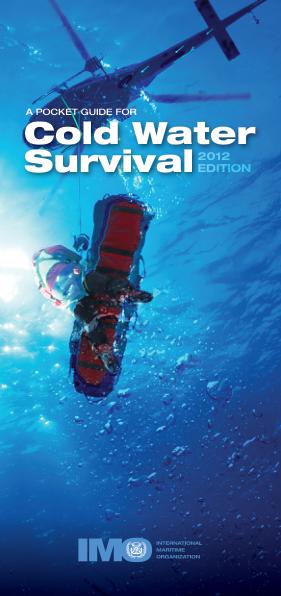
A Pocket Guide for Cold Water Survival
show More to view fulltext, buy and share links for:A Pocket Guide for Cold Water Survival show Less to hide fulltext, buy and share links for: A Pocket Guide for Cold Water SurvivalThis pocket guide is intended primarily for seafarers. It provides information which will help you if you areunlucky enough to fall into cold water, or have to enter it in an emergency, or have to use survival craft in cold conditions. It also provides information which will help seafarers, trained as first-aid providers, to treat those rescued from cold conditions.
This guide briefly examines the hazards of exposure to the cold that may endanger life, and provides advice based on the latest medical and scientific opinion on how to prevent or minimize those dangers. It is a sad fact that people continue to die at sea through a lack of this knowledge. Knowing what is likely to happen if you are exposed to cold water is a survival aid in itself. A thorough understanding of the information contained in this booklet may some day save your life – or someone else’s.
-
-
-
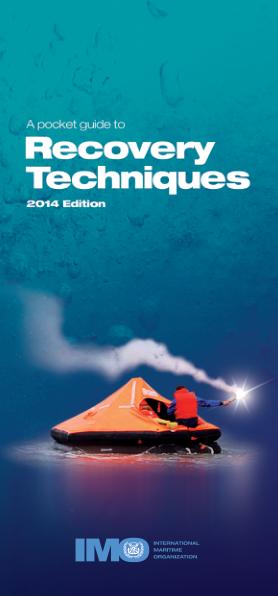
A pocket guide to Recovery Techniques
show More to view fulltext, buy and share links for:A pocket guide to Recovery Techniques show Less to hide fulltext, buy and share links for: A pocket guide to Recovery TechniquesThis pocket guide contains guidance on recovery techniques for people in survival craft and other small craft as well as for people in water.
-
-
-
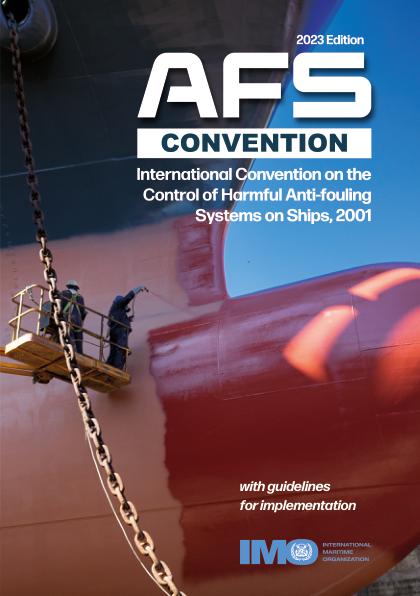
AFS Convention
International Convention on the Control of Harmful Anti-fouling Systems on Ships, 2001
show More to view fulltext, buy and share links for:AFS Convention show Less to hide fulltext, buy and share links for: AFS ConventionThe International Conference on the Control of Harmful Anti-Fouling Systems for Ships, 2001, was held in London in October 2001. The Conference adopted the International Convention on the Control of Harmful Anti-Fouling Systems (AFS) on Ships, 2001, together with four Conference resolutions, relating to the early and effective application of the AFS Convention, approval and test methodologies for anti-fouling systems on ships and the promotion of technical co-operation.
This third edition of the AFS Convention publication includes the updated text of the AFS Convention, including the amendments to annexes 1 and 4 concerning the introduction of controls on cybutryne and other consequential amendments that entered into force on 1 January 2023, and the revised guidelines that support the implementation of the amended Convention.
-
-
-
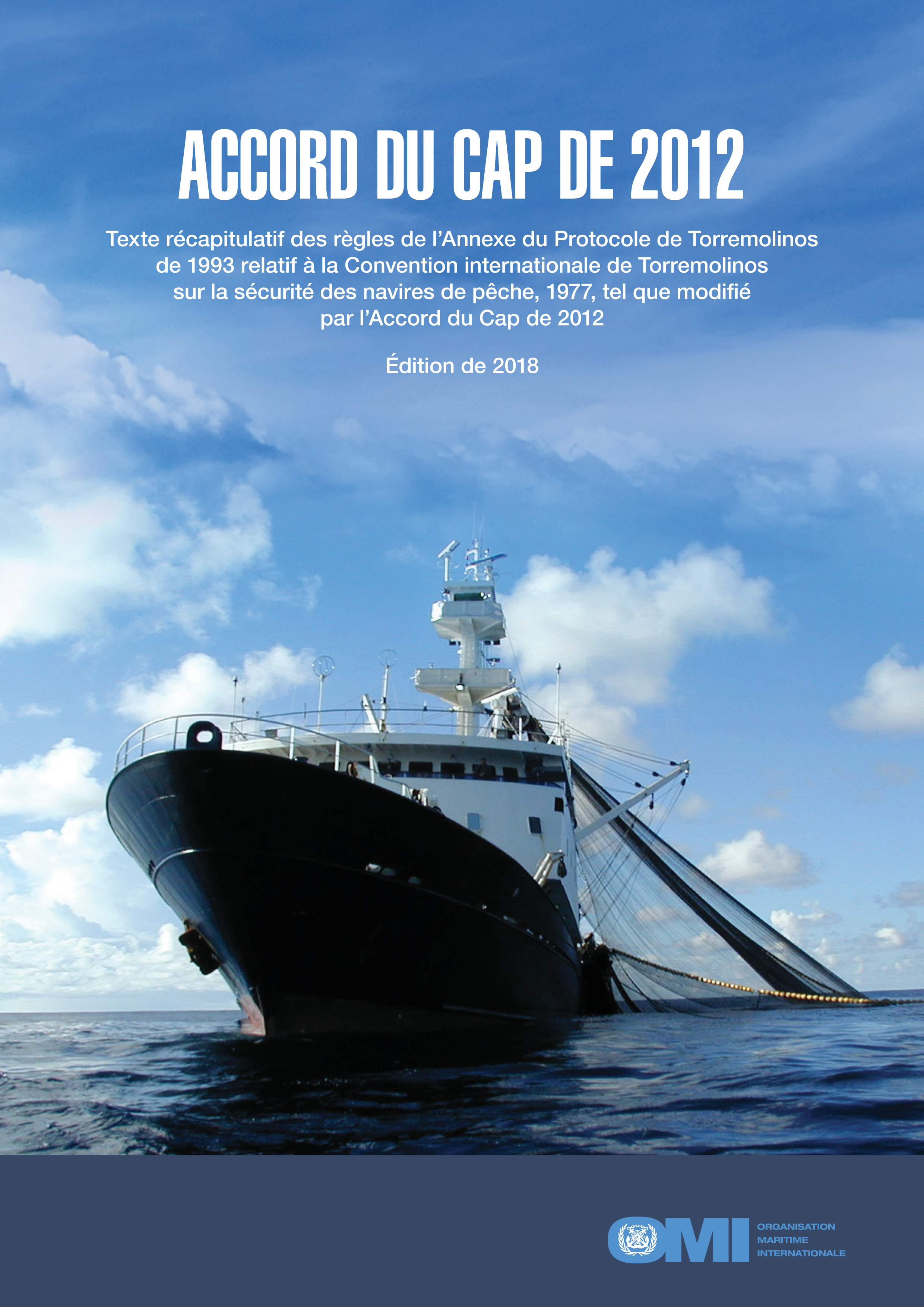
Accord du Cap de 2012
Texte Récapitulatif des Règles de l’Annexe du Protocole de Torremolinos de 1993 Relatif à la Convention Internationale de Torremolinos sur la Sécurité des Navires de Pêche, 1977, tel que Modifié par l’Accord du Cap de 2012
show More to view fulltext, buy and share links for:Accord du Cap de 2012 show Less to hide fulltext, buy and share links for: Accord du Cap de 2012L’Accord du Cap de 2012 sur la mise en œuvre des dispositions du Protocole de Torremolinos de 1993 relatif à la Convention internationale de Torremolinos sur la sécurité des navires de pêche, 1977 a été adopté par la Conférence internationale sur la sécurité des navires de pêche, tenue du 9 au 11 octobre 2012 au Cap (Afrique du Sud), sous les auspices de l’Organisation maritime internationale (OMI), aux termes de travaux soutenus et d’un échange de vues approfondi sur une période de cinq ans.
La sécurité des pêcheurs et des navires de pêche fait partie intégrante du mandat de l’OMI; toutefois, le secteur de la pêche, d’un point de vue mondial, ne fournit pas un bilan de sécurité acceptable et, s’il est vrai qu’un bon nombre de facteurs y ont contribué, il ne fait aucun doute que l’absence d’un régime réglementaire international efficace et obligatoire a joué un rôle non négligeable pour préserver le statu quo. Dans ce contexte, ni la Convention internationale de Torremolinos sur la sécurité des navires de pêche, adoptée en 1977 ni le Protocole de Torremolinos adopté en 1993, ne sont entrés en vigueur en raison de diverses contraintes d’ordre juridique et technique. L’Accord marquait un engagement renouvelé en faveur de l’entrée en vigueur des dispositions du Protocole de Torremolinos de 1993 et il devrait jouer un rôle majeur dans l’amélioration des normes de sécurité et la réduction des pertes en vies humaines dans le secteur halieutique.
L’Accord du Cap de 2012 entrera en vigueur 12 mois après la date à laquelle le consentement à être lié par lui aura été exprimé par au moins 22 États dont le nombre total de navires de pêche d’une longueur égale ou supérieure à 24 m exploités en haute mer est au moins égal à 3 600.
-
-
-
Actions to be Taken to Prevent Acts of Piracy and Armed Robbery
Model Course 3.23
show More to view fulltext, buy and share links for:Actions to be Taken to Prevent Acts of Piracy and Armed Robbery show Less to hide fulltext, buy and share links for: Actions to be Taken to Prevent Acts of Piracy and Armed RobberyThe emphasis of this model course is not on training to fight pirates, but rather to assist trainees to identify, deter or mitigate such events through proper planning, preparation and coordination with various entities.
-
-
-
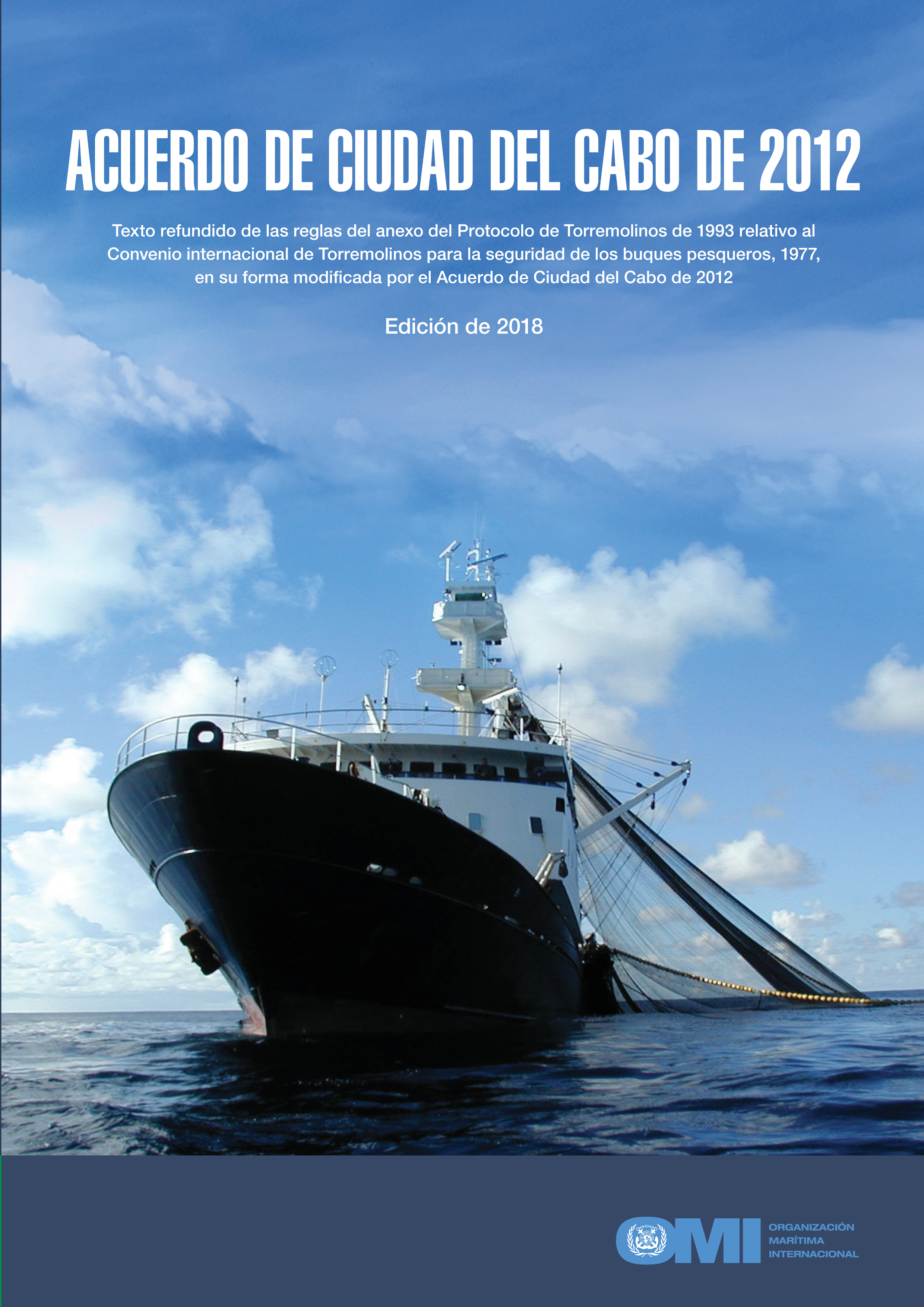
Acuerdo de Ciudad del Cabo de 2012
Texto Refundido de las Reglas del anexo del Protocolo de Torremolinos de 1993 Relativo al Convenio internacional de Torremolinos para la Seguridad de los Buques Pesqueros, 1977, en su Forma Modificada por el Acuerdo de Ciudad del Cabo de 2012
show More to view fulltext, buy and share links for:Acuerdo de Ciudad del Cabo de 2012 show Less to hide fulltext, buy and share links for: Acuerdo de Ciudad del Cabo de 2012El Acuerdo de Ciudad del Cabo de 2012 sobre la implantación de las disposiciones del Protocolo de Torremolinos de 1993 relativo al Convenio internacional de Torremolinos para la seguridad de los buques pesqueros, 1977 (el Acuerdo) fue adoptado por la Conferencia internacional sobre la seguridad de los buques pesqueros, celebrada del 9 al 11 de octubre de 2012 en Ciudad del Cabo (Sudáfrica), bajo los auspicios de la Organización Marítima Internacional (OMI), como resultado de la ardua labor realizada y los intensos debates mantenidos a lo largo de cinco años.
La seguridad de los pescadores y de los buques de pesca forma parte integrante del mandato de la OMI, sin embargo, desde una perspectiva mundial, el sector pesquero no cuenta con un historial de seguridad aceptable; y aunque varios factores han contribuido a ello, no hay duda que la falta de un regimen normativo vinculante a nivel internacional ha desempeñado un papel significante en la situación actual. En este contexto, ni el Convenio internacional de Torremolinos para la seguridad de los buques pesqueros, 1977, ni el Protocolo de Torremolinos, adoptado en 1993, llegaron a entrar en vigor debido a varias restricciones de índole técnica y jurídica. El Acuerdo supuso la renovación de las disposiciones de entrada en vigor del Protocolo de Torremolinos de 1993, y se espera que desempeñe una función importante en la mejora de las normas de seguridad y la reducción de la pérdida de vidas humanas en el sector de la pesca.
El Acuerdo de Ciudad del Cabo de 2012 entrará en vigor 12 meses después de la fecha en que por lo menos 22 Estados que tengan como mínimo 3 600 buques pesqueros de eslora igual o superior a 24 m que operen en alta mar en total hayan manifestado su consentimiento en obligarse por él.
-
-
-
Advanced Training for Chemical Tanker Cargo Operations
Model course 1.03
show More to view fulltext, buy and share links for:Advanced Training for Chemical Tanker Cargo Operations show Less to hide fulltext, buy and share links for: Advanced Training for Chemical Tanker Cargo OperationsThis course provides training for masters, chief engineer officers, chief mates, second engineer officers and any person with immediate responsibility for loading, unloading, care in transit, handling of cargo, tank cleaning or other cargo-related operations on chemical tankers. The course takes full account of section A-V/1-1 of the STCW Code.
-
-
-
Advanced Training for Liquefied Gas Tanker Cargo Operations
Model course 1.05
show More to view fulltext, buy and share links for:Advanced Training for Liquefied Gas Tanker Cargo Operations show Less to hide fulltext, buy and share links for: Advanced Training for Liquefied Gas Tanker Cargo OperationsThis course provides training for Masters, chief engineer officers, chief mates, second engineer officers and any person with immediate responsibility for loading, unloading, care in transit, handling of cargo, tank cleaning or other cargo related operations on liquefied gas tankers. The course takes full account of section A-V/1-2 of the STCW Code adopted by the International Convention on Standards of Training, Certification and Watchkeeping for Seafarers, as amended, including the Manila amendments 2010.
-
-
-
Advanced Training for Masters, Officers, Ratings and Other Personnel on Ships Subject to the IGF Code
Model course 7.14
show More to view fulltext, buy and share links for:Advanced Training for Masters, Officers, Ratings and Other Personnel on Ships Subject to the IGF Code show Less to hide fulltext, buy and share links for: Advanced Training for Masters, Officers, Ratings and Other Personnel on Ships Subject to the IGF CodeThis course comprises an advanced training programme and qualification for personnel with immediate responsibility for the care and use of fuels and fuel systems on ships subject to the IGF Code, and builds upon the learning outcomes of the basic course. The course addresses trainees’ duties to apply a safety culture on board and be familiar with the properties of liquefied gas fuels, take precautions to prevent hazards, apply health and safety precautions and Fire safety measures, respond to emergencies, prevent pollution of the environment, and monitor and control compliance with legislative requirements.
-
-
-
Advanced Training for Oil Tanker Cargo Operations
Model course 1.02
show More to view fulltext, buy and share links for:Advanced Training for Oil Tanker Cargo Operations show Less to hide fulltext, buy and share links for: Advanced Training for Oil Tanker Cargo OperationsThis course provides training to candidates to meet the requirements of Section A V/1 1 paragraph 2 of the STCW Code with specific duties for loading, unloading and care in transit or handling of oil cargoes. It comprises an advanced training programme appropriate to their duties, including oil tanker safety, Fire safety measures, pollution prevention, operational practice and obligations under applicable law and regulations.
-
-
-
Advanced Training for Ships Operating in Polar Waters
Model course 7.12
show More to view fulltext, buy and share links for:Advanced Training for Ships Operating in Polar Waters show Less to hide fulltext, buy and share links for: Advanced Training for Ships Operating in Polar WatersThis “advanced” course provides training to navigation officers to operate ships in Polar waters and to address those additional provisions deemed necessary for consideration beyond existing requirements of the SOLAS and MARPOL Conventions, in order to take into account the climatic conditions of Polar waters and to meet appropriate standards of Maritime safety and pollution prevention.
-
-
-
Advanced Training in Fire Fighting
Model course 2.03
show More to view fulltext, buy and share links for:Advanced Training in Fire Fighting show Less to hide fulltext, buy and share links for: Advanced Training in Fire FightingThis course covers training in fire fighting and is based on the provisions of table A-VI/3 of the STCW Code.
-
-
-
Assessment, Examination and Certification of Seafarers
Model Course 3.12
show More to view fulltext, buy and share links for:Assessment, Examination and Certification of Seafarers show Less to hide fulltext, buy and share links for: Assessment, Examination and Certification of SeafarersThe model course includes introductory classroom instruction on the assessment, examination and certification of seafarers (in particular masters, chief engineers, deck and engineer officers), covering the provisions for training, assessment, examination and certification of masters, officers and ratings of the STCW Convention; the implementation of these provisions under national law; the selection of assessment methods; the organization of assessments, and the issue and control of certificates.
-
-
-
Automatic Identification Systems (AIS)
Model course 1.34
show More to view fulltext, buy and share links for:Automatic Identification Systems (AIS) show Less to hide fulltext, buy and share links for: Automatic Identification Systems (AIS)This course provides information on the generic use of AIS, and is designed for officers in charge of a navigational watch on ships that are fitted with such equipment. Its main aims are to increase safety and security and to protect the environment by giving instruction on the understanding and safe use of such systems, including illustrations of dangerous or improper use.
This model course aims to meet the mandatory minimum requirements for knowledge, understanding and proficiency in table A-II/1 of the STCW Code and takes into account all relevant IMO resolutions and guidelines on AIS available at the time the model course was prepared.
-
-
-
BCH Code
Code for the Construction and Equipment of Ships Carrying Dangerous Chemicals in Bulk
show More to view fulltext, buy and share links for:BCH Code show Less to hide fulltext, buy and share links for: BCH CodeThe Code for the Construction and Equipment of Ships Carrying Dangerous Chemicals in Bulk (BCH Code) presents amendments to the Code to reflect the 2007 revision of MARPOL Annex II and other amendments related to:
- Survey and certification
- Materials of construction
- Fire protection
- Personnel protection
- Certificate of fitness for the carriage of dangerous chemicals in bulk.
-
-
-
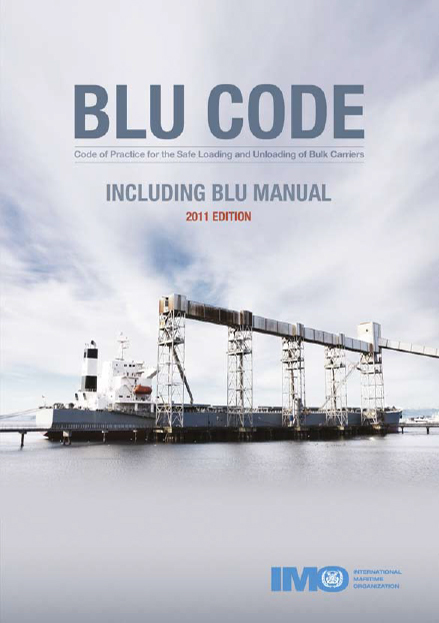
BLU Code
Code of Practice for the Safe Loading and Unloading of Bulk Carriers
show More to view fulltext, buy and share links for:BLU Code show Less to hide fulltext, buy and share links for: BLU CodeBLU Code including BLU Manual contains the Code of Practice for the Safe Loading and Unloading of Bulk Carriers, incorporating all amendments up to and including 2010, and the Manual on loading and unloading of solid bulk cargoes for terminal representatives, incorporating all amendments up to and including 2010. Also presented is Additional considerations for the safe loading of bulk carriers (MSC.1/Circ.1357).
-
-
-
Ballast Water Management
How To Do It
show More to view fulltext, buy and share links for:Ballast Water Management show Less to hide fulltext, buy and share links for: Ballast Water ManagementThis publication provides useful practical information to Governments, particularly those of developing countries, Administrations, shipowners, port State control authorities, environmental agencies and other stakeholders on the implications of ratifying, implementing and enforcing the Ballast water Management Convention. The aim is to encourage the further ratification and proper implementation and enforcement of the Convention. However, it should be noted that, for legal purposes, the authentic text of the Convention should always be consulted.
-
-
-
Ballast Water Management Convention and BWMS Code with Guidelines for Implementation
show More to view fulltext, buy and share links for:Ballast Water Management Convention and BWMS Code with Guidelines for Implementation show Less to hide fulltext, buy and share links for: Ballast Water Management Convention and BWMS Code with Guidelines for ImplementationThe International Convention for the Control and Management of Ships’ Ballast water and Sediments, 2004 (BWM Convention), is concerned with preventing, minimizing and ultimately eliminating the risks to the environment, human health, property and resources arising from the transfer of harmful aquatic organisms and pathogens, through the control and management of ships’ Ballast water and sediments. The BWM Convention also aims to avoid unwanted side-effects from that control and encourages developments in related knowledge and technology. The 2018 consolidated edition aims to provide an easy and comprehensive reference to the up-to-date provisions and Unified Interpretations of the Articles and Annex of the BWM Convention.
-
-
-
Basic Documents: Volume I
show More to view fulltext, buy and share links for:Basic Documents: Volume I show Less to hide fulltext, buy and share links for: Basic Documents: Volume IThis edition incorporates amendments to the Convention on the International Maritime Organization up to December 2021.
It also includes amendments to the Rules of Procedure of:
- the Assembly up to December 2021;
- the Council up to November 2021;
- the Maritime safety Committee up to June 2017;
- the Legal Committee up to April 2017;
- the Marine Environment protection Committee up to July 2017;
- the Technical Cooperation Committee up to July 2017;
- the Facilitation Committee up to June 2018; and
- Meetings under the London Convention, 1972 and the 1996 Protocol to the London Convention up to November 2018.
-
-
-
Basic Documents: Volume II
show More to view fulltext, buy and share links for:Basic Documents: Volume II show Less to hide fulltext, buy and share links for: Basic Documents: Volume IIBasic documents, Volume II is a compendium of basic documents on the International Maritime Organization (IMO) and its Training Institutions and Regional Centre.
-
-
-
Basic Training for Liquefied Gas Tanker Cargo Operations
Model course 1.04
show More to view fulltext, buy and share links for:Basic Training for Liquefied Gas Tanker Cargo Operations show Less to hide fulltext, buy and share links for: Basic Training for Liquefied Gas Tanker Cargo OperationsThis course provides training for officers and ratings. It comprises a basic training programme appropriate to their duties for liquefied gas tanker safety, fire safety measures and cargo systems, pollution prevention, safe operational practice and obligations under applicable laws and regulations. The course takes full account of section A-V/1-2 of the STCW Code adopted by the International Convention on Standards of Training, Certification and Watchkeeping for Seafarers as amended, including the Manila amendments 2010.
-
-
-
Basic Training for Masters, Officers, Ratings and Other Personnel on Ships Subject to the IGF Code
Model course 7.13
show More to view fulltext, buy and share links for:Basic Training for Masters, Officers, Ratings and Other Personnel on Ships Subject to the IGF Code show Less to hide fulltext, buy and share links for: Basic Training for Masters, Officers, Ratings and Other Personnel on Ships Subject to the IGF CodeThis course gives practical guidance, training and basic qualifications for seafarers responsible for the care and use of, and in-emergency response to, the fuel on board ships subject to the International Code of Safety for Ships using Gases or other Low-flashpoint Fuels (IGF Code). It contains exercises structured around the safe operation of ships, their installations of systems for propulsion machinery and auxiliary power generation machinery using gas or other low-flashpoint fuel.
-
-
-
Basic Training for Oil and Chemical Tanker Cargo Operations
Model course 1.01
show More to view fulltext, buy and share links for:Basic Training for Oil and Chemical Tanker Cargo Operations show Less to hide fulltext, buy and share links for: Basic Training for Oil and Chemical Tanker Cargo OperationsThis course provides training for officers and ratings. It comprises a basic training programme appropriate to their duties, including oil and chemical tanker safety, Fire safety measures and systems, pollution prevention, operational practice and obligations under applicable laws and regulations. The course takes full account of section A-V/1-1 of the STCW Code adopted by the International Convention on Standards of Training, Certification and Watchkeeping for Seafarers as amended, including the Manila amendments 2010.
-
-
-
Basic Training for Ships Operating in Polar Waters
Model course 7.11
show More to view fulltext, buy and share links for:Basic Training for Ships Operating in Polar Waters show Less to hide fulltext, buy and share links for: Basic Training for Ships Operating in Polar WatersThis “basic” course provides training to navigation officers to operate ships in Polar waters and to address those additional provisions deemed necessary for consideration beyond existing requirements of the SOLAS and MARPOL Conventions, in order to take into account the climatic conditions of Polar waters and to meet appropriate standards of Maritime safety and pollution prevention.
-
-
-
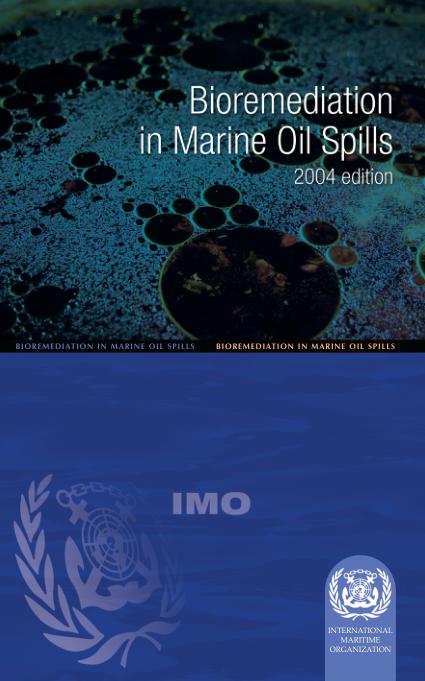
Bioremediation in Marine Oil Spills
Guidance Document for Decision Making and Implementation of Bioremediation in Marine Oil Spills
show More to view fulltext, buy and share links for:Bioremediation in Marine Oil Spills show Less to hide fulltext, buy and share links for: Bioremediation in Marine Oil SpillsThe aim of these Guidelines is to provide users with clear criteria to enable them to evaluate the circumstances in which to consider the use of bioremediation for shoreline cleanup. These guidelines are not intended to address the treatment of waste-generated oil spills. They contain a summary of the most important bioremediation processes and decision-making criteria.
-
-
-
Bridge Resource Management
Model course 1.22
show More to view fulltext, buy and share links for:Bridge Resource Management show Less to hide fulltext, buy and share links for: Bridge Resource ManagementThis model course is practical and theoretical, and consists of a series of exercises performed on a ship handling simulator. Classroom lectures, to provide the necessary theoretical background for the exercises, are included. Particular items dealt with in these lectures are illustrated either by including them as part of an exercise or by a separate simulator demonstration. Bridge teamwork is dealt with either as interactive Computer Based Training (CBT) or lecture.
-
-
-
CAS
Condition Assessment Scheme
show More to view fulltext, buy and share links for:CAS show Less to hide fulltext, buy and share links for: CASIn view of the revised MARPOL Annex I coming into force on 1 January 2007, as did the amendments to CAS by resolution MEPC.131(53), the purpose of this publication is to provide an easy reference to the up-to-date provisions of CAS, including incorporation of all of the amendments that have been adopted by the MEPC, up to and including the amendments adopted by resolution MEPC.131(53).
-
-
-
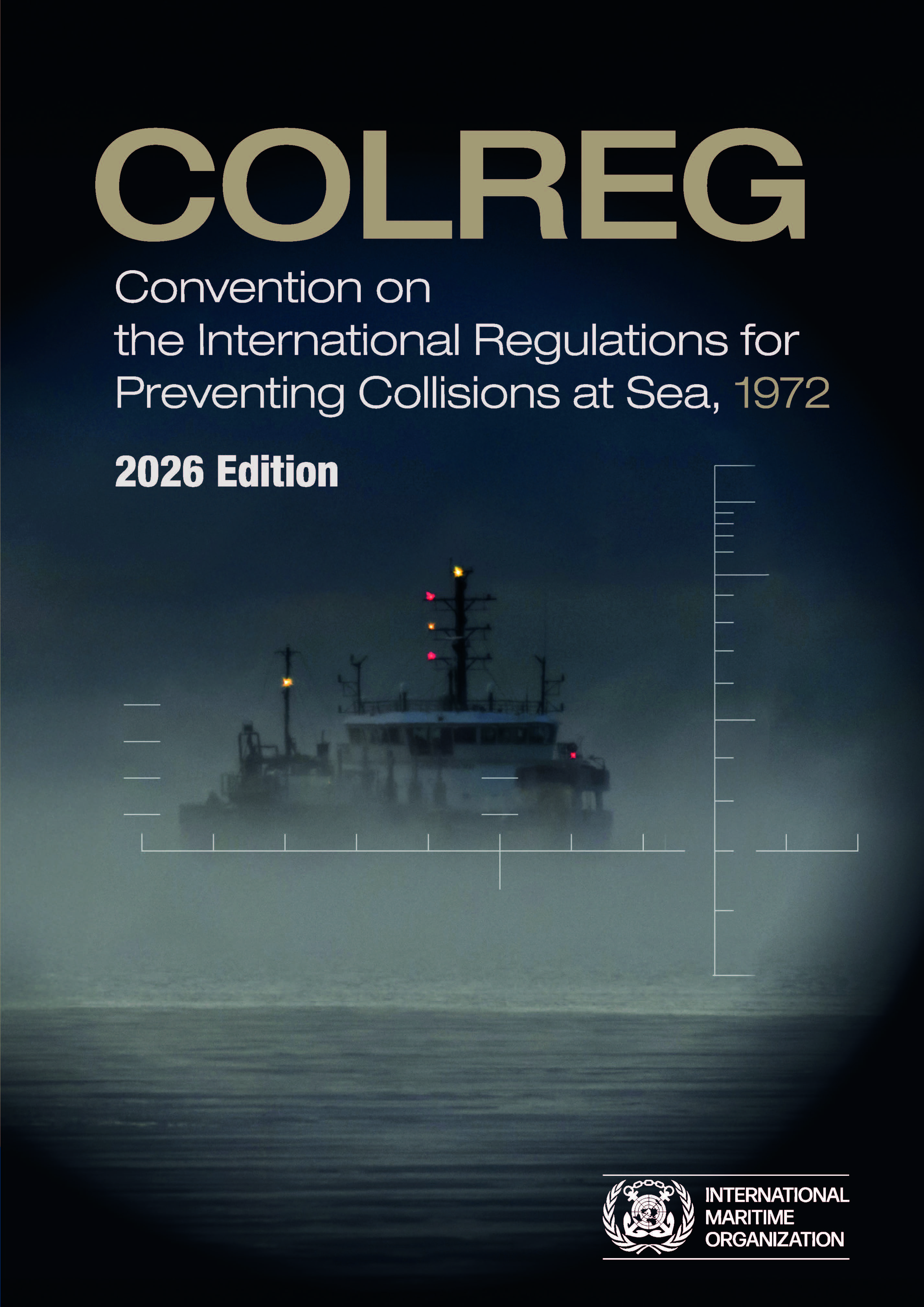
COLREG
Convention on the International Regulations for Preventing Collisions at Sea, 1972
show More to view fulltext, buy and share links for:COLREG show Less to hide fulltext, buy and share links for: COLREGBy clicking on the "Read" button on this page you will be accessing the PDF of the full book. To access the Full-Text version and PDFs of the individual chapters, click on the “Chapters” tab and select the chapter you would like to read.
This edition of the Convention on the International Regulations for Preventing Collisions at Sea, 1972 (COLREG 1972) contains the consolidated text of the 1972 Convention and all amendments adopted by the Maritime Safety Committee and resolutions adopted by the Assembly of the International Maritime Organization, including the latest amendments from resolution A.1085(28) which entered into force on 1 January 2016.
-
-
-
COLREG
Convention sur le Règlement international de 1972 pour prévenir les abordages en mer
show More to view fulltext, buy and share links for:COLREG show Less to hide fulltext, buy and share links for: COLREGEn cliquant sur le bouton « Read » de cette page, vous accéderez au PDF de l’ouvrage complet. Pour accéder à la version en texte intégral ainsi qu’aux PDF des chapitres individuels, cliquez sur l’onglet « Chapters » et sélectionnez le chapitre que vous souhaitez consulter.
La présente édition de la Convention sur le Règlement international de 1972 pour prévenir les abordages en mer (COLREG) contient le texte récapitulatif de la Convention de 1972, tous les amendements adoptés par le Comité de la sécurité maritime et les résolutions adoptées par l’Assemblée de l’Organisation maritime internationale, y compris les derniers amendements de la résolution A.1085(28), qui est entrée en vigueur le 1er janvier 2016.
-
-
-
COLREG
Convenio sobre el reglamento internacional para prevenir los abordajes, 1972
show More to view fulltext, buy and share links for:COLREG show Less to hide fulltext, buy and share links for: COLREGLa presente edición del Convenio sobre el Reglamento Internacional para Prevenir los Abordajes, 1972 (COLREG 1972) contiene el texto del Convenio refundido con todas las enmiendas adoptadas por el Comité de Seguridad Marítima y las resoluciones adoptadas por la Asamblea de la Organización Marítima Internacional, incluidas las últimas enmiendas de la resolución A.1085(28), que entraron en vigor el 1 de enero de 2016.
-