


International Maritime Organization
301 - 400 of 663 results
-
-
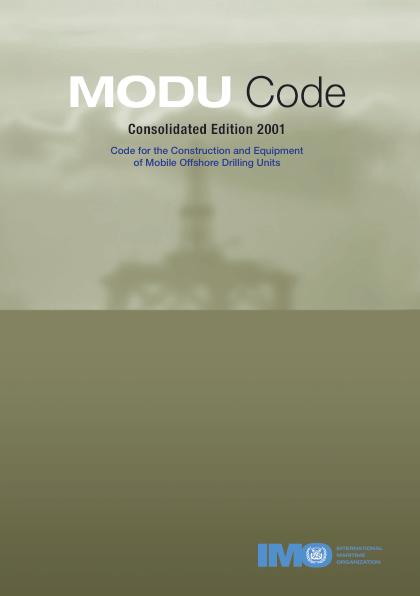
MODU Code
show More to view fulltext, buy and share links for:MODU Code show Less to hide fulltext, buy and share links for: MODU CodeThe Code for the Construction and Equipment of Mobile Offshore Drilling Units, 1989 (1989 MODU Code) was adopted by resolution A.649(16) and concerns MODUs built since 1 May 1991.
The Maritime safety Committee (MSC) adopted amendments to the 1989 MODU Code in May 1991 and decided that, to maintain compatibility with SOLAS, the amendments should become effective on 1 February 1992. Further amendments were adopted in May 1994, to introduce the Harmonized System of Survey and Certification (HSSC) into the Code, provide guidelines for vessels with dynamic positioning systems and introduce provisions for helicopter facilities.
The Committee decided that the amendments introducing the HSSC should become effective on the same date as the 1988 SOLAS and Load Line Protocols relating to the HSSC (i.e. 3 February 2000), and that those providing guidelines for vessels with dynamic positioning systems and provisions for helicopter facilities should become effective on 1 July 1994. This publication supersedes the 1979 edition and contains a consolidated text of the 1989 MODU Code and the 1991 and 1994 amendments.
-
-
-
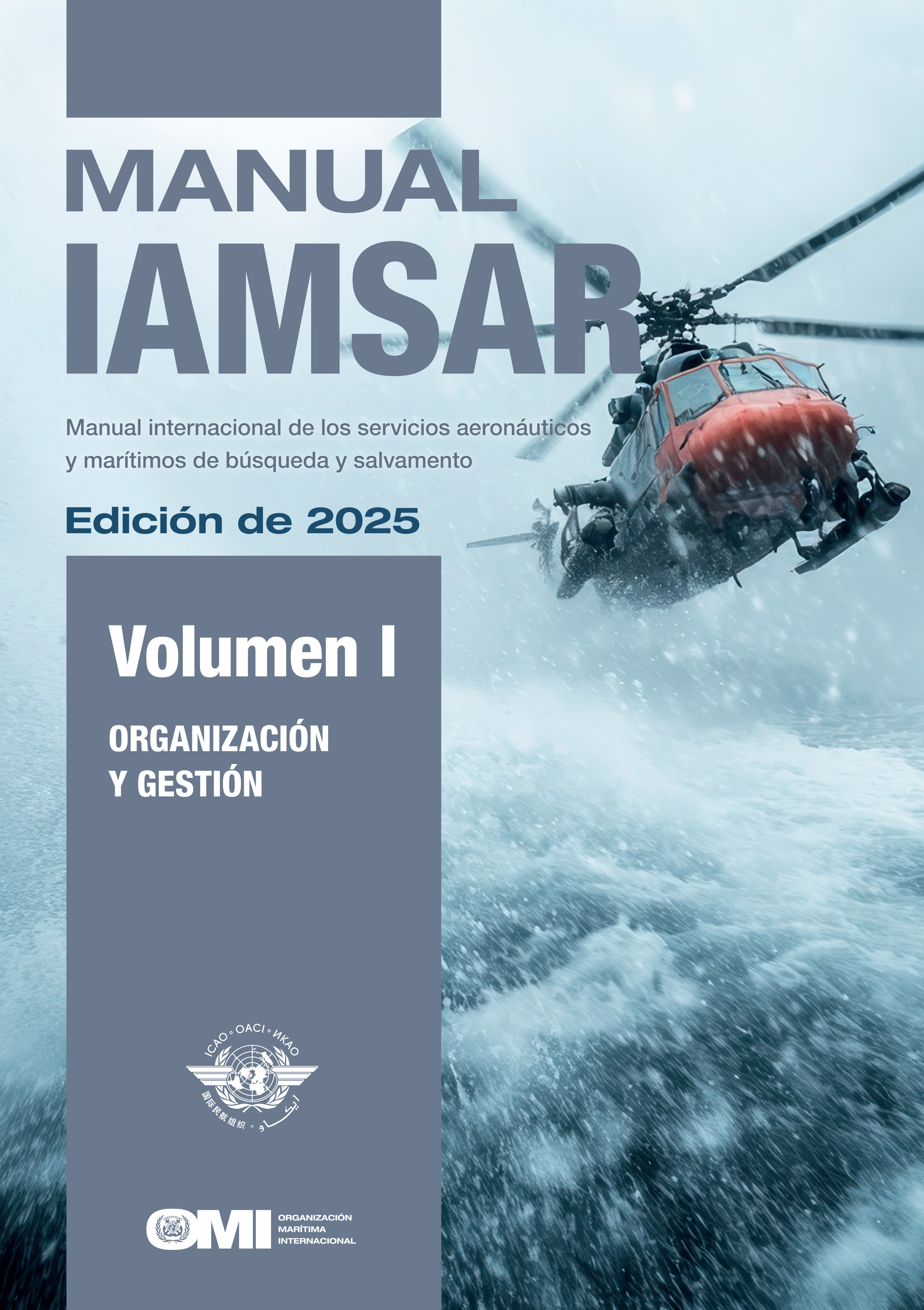
Manual IAMSAR, Volumen I – Organización y gestión
Manual internacional de los servicios aeronáuticos y marítimos de búsqueda y salvamento, Volumen I
show More to view fulltext, buy and share links for:Manual IAMSAR, Volumen I – Organización y gestión show Less to hide fulltext, buy and share links for: Manual IAMSAR, Volumen I – Organización y gestiónAl hacer clic en el botón “Read” en esta página, accederá al PDF del libro completo. Para acceder a la versión de texto completo y a los PDF de los capítulos individuales, haga clic en la pestaña “Chapters” y seleccione el capítulo que desea leer.
El presente volumen, titulado Organización y gestión, examina el concepto del sistema de búsqueda y salvamento (sistema SAR) mundial, el establecimiento y la mejora de sistemas SAR nacionales y regionales, y la colaboración entre los Estados vecinos encaminada a prestar unos servicios SAR eficaces y económicos.
Se publica una nueva edición del Manual IAMSAR cada tres años. La edición de 2025 incluye las enmiendas aprobadas por la Organización de Aviación Civil Internacional (OACI) y el Comité de Seguridad Marítima (MSC) de la Organización Marítima Internacional (OMI) en su 109º periodo de sesiones (diciembre de 2024) mediante la circular MSC.1/Circ.1686, que entran en vigor el 1 de enero de 2026..
-
-
-
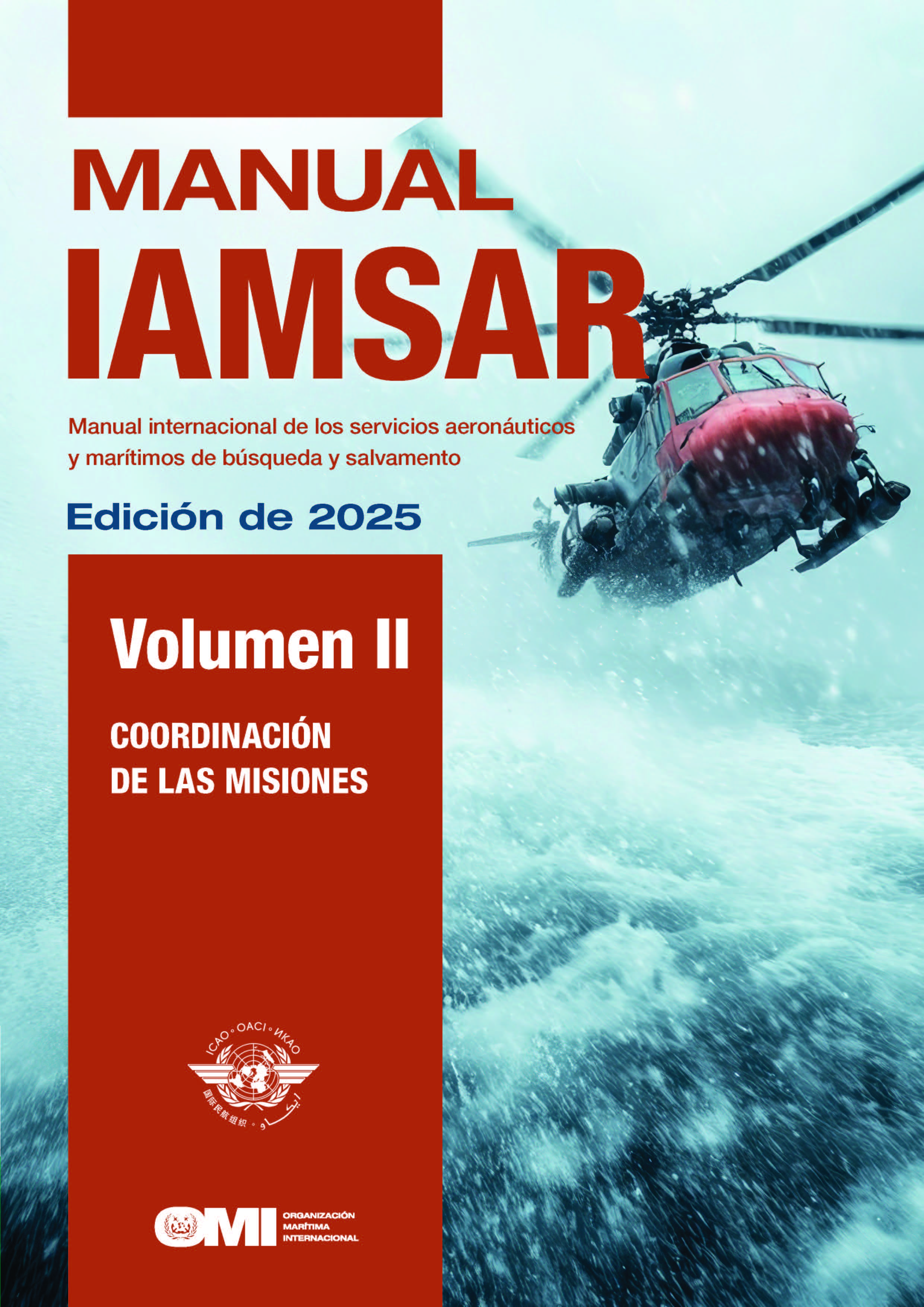
Manual IAMSAR, Volumen II – Coordinación de las misiones
Manual internacional de los servicios aeronáuticos y marítimos de búsqueda y salvamento, Volumen 2
show More to view fulltext, buy and share links for:Manual IAMSAR, Volumen II – Coordinación de las misiones show Less to hide fulltext, buy and share links for: Manual IAMSAR, Volumen II – Coordinación de las misionesAl hacer clic en el botón “Read” en esta página, accederá al PDF del libro completo. Para acceder a la versión de texto completo y a los PDF de los capítulos individuales, haga clic en la pestaña “Chapters” y seleccione el capítulo que desea leer.
El presente volumen, titulado Coordinación de las misiones, tiene por objeto ayudar al personal encargado de la planificación y la coordinación de los ejercicios y las operaciones de búsqueda y salvamento.
Se publica una nueva edición del Manual IAMSAR cada tres años. La edición de 2025 incluye las enmiendas aprobadas por la Organización de Aviación Civil Internacional (OACI) y el Comité de Seguridad Marítima (MSC) de la Organización Marítima Internacional (OMI) en su 109º periodo de sesiones (diciembre de 2024) mediante la circular MSC.1/Circ.1686, que son aplicables el 1 de enero de 2026.
-
-
-
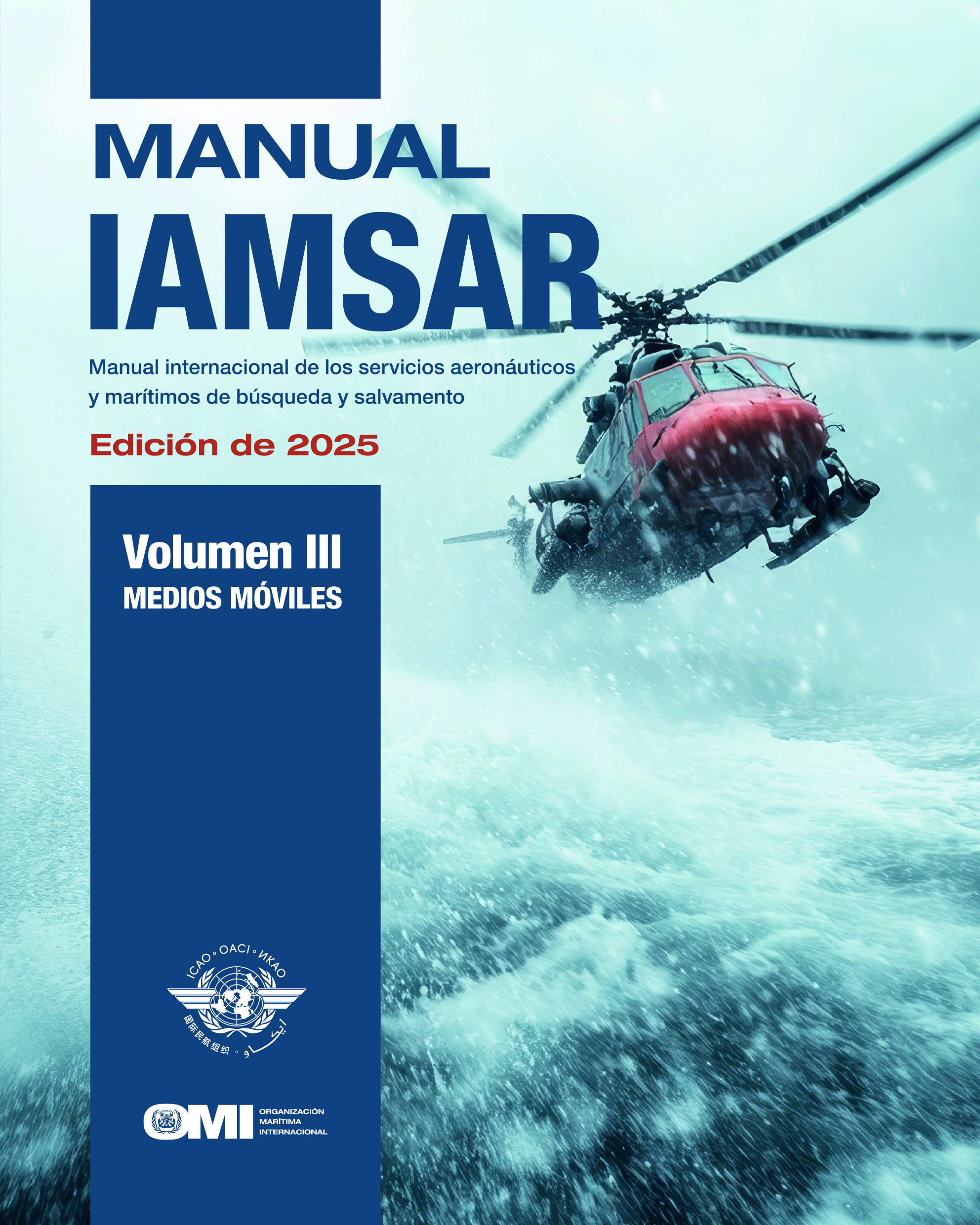
Manual IAMSAR, Volumen III – Medios Móviles
Manual internacional de los servicios aeronáuticos y marítimos de búsqueda y salvamento, Volumen III
show More to view fulltext, buy and share links for:Manual IAMSAR, Volumen III – Medios Móviles show Less to hide fulltext, buy and share links for: Manual IAMSAR, Volumen III – Medios MóvilesAl hacer clic en el botón “Read” en esta página, accederá al PDF del libro completo. Para acceder a la versión de texto completo y a los PDF de los capítulos individuales, haga clic en la pestaña “Chapters” y seleccione el capítulo que desea leer.
El presente volumen, titulado Medios móviles, se ha elaborado para ser llevado a bordo de las unidades de salvamento, las aeronaves y los buques con el propósito de asistir a estos en las operaciones de búsqueda o salvamento o en sus funciones de coordinación en el lugar del siniestro, así como en los aspectos de la búsqueda y el salvamento relacionados con sus propias situaciones de emergencia.
Se publica una nueva edición del Manual IAMSAR cada tres años. La edición de 2025 incluye las enmiendas aprobadas por la Organización de Aviación Civil Internacional (OACI) y el Comité de Seguridad Marítima (MSC) de la Organización Marítima Internacional (OMI) en su 109° periodo de sesiones (diciembre de 2024) mediante la circular MSC.1/Circ.1686, que entran en vigor el 1 de enero de 2026.
-
-
-
Manual Navtex
show More to view fulltext, buy and share links for:Manual Navtex show Less to hide fulltext, buy and share links for: Manual NavtexNAVTEX es un servicio internacional automatizado de impresión directa para la difusión de radioavisos náuticos y meteorológicos y otros mensajes de información urgente dirigida a los buques. Es el método principal utilizado para transmitir información sobre seguridad marítima de conformidad con las disposiciones del Convenio internacional para la seguridad de la vida humana en el mar, 1974. Se creó para disponer de un medio económico, sencillo y automático de recibir información sobre seguridad marítima y alertas de búsqueda y salvamento en los buques que naveguen en alta mar y en aguas costeras. En esta edición se incluye el procedimiento para la retirada de las estaciones NAVTEX existentes, si un Estado costero decide hacerlo.
El presente manual está destinado a las Administraciones marítimas, la gente de mar, los propietarios de buques y otras partes interesadas que participan en la preparación, la transmisión y la recepción de información sobre seguridad marítima.
La edición de 2023 del Manual entró en vigor el 1 de enero de 2023 y contiene las Normas de funcionamiento revisadas para la recepción de información sobre seguridad marítima e información relacionada con la búsqueda y el salvamento en ondas hectométricas (NAVTEX) y ondas decamétricas (resolución MSC.508(105)) y el texto revisado de los Criterios aplicables cuando se provea un servicio NAVTEX (resolución MSC.509(105)).
-
-
-
Manual conjunto OMI/OHI/OMM relativo a la información sobre securidad marítima
show More to view fulltext, buy and share links for:Manual conjunto OMI/OHI/OMM relativo a la información sobre securidad marítima show Less to hide fulltext, buy and share links for: Manual conjunto OMI/OHI/OMM relativo a la información sobre securidad marítimaEl presente manual es una guía práctica para la preparación de mensajes relacionados con la información sobre seguridad marítima y la diseminación de avisos náuticos y/o pronósticos y avisos meteorológicos en el marco del Sistema mundial de socorro y seguridad marítimos (SMSSM).
-
-
-
Manual de los Servicios SafetyNET Internacionales
show More to view fulltext, buy and share links for:Manual de los Servicios SafetyNET Internacionales show Less to hide fulltext, buy and share links for: Manual de los Servicios SafetyNET InternacionalesSafetyNET es un servicio internacional automático por satélite de impresión directa, destinado a difundir a los buques información sobre seguridad marítima (ISM), avisos náuticos y meteorológicos, pronósticos meteorológicos, información relacionada con la búsqueda y salvamento (SAR) y otros mensajes urgentes relacionados con la seguridad. SafetyNET desempeña una función esencial en el Sistema mundial de socorro y seguridad marítimos (SMSSM).
La presente edición del Manual, que ha pasado a titularse Manual de los servicios SafetyNET internacionales, incorpora los cambios introducidos en la red y los servicios de satélites de Inmarsat, incluido el servicio Fleet Safety de Inmarsat, que ha sido reconocido como servicio móvil por satélite para su utilización en el SMSSM mediante la adopción de la resolución MSC.450(99).
-
-
-
Manual on Chemical Pollution: Section 1 – Problem Assessment and Response Arrangements
show More to view fulltext, buy and share links for:Manual on Chemical Pollution: Section 1 – Problem Assessment and Response Arrangements show Less to hide fulltext, buy and share links for: Manual on Chemical Pollution: Section 1 – Problem Assessment and Response ArrangementsThis publication, prepared by the Marine Environment Protection Committee of the International Maritime Organization (IMO) supersedes the 1986 edition of section 1 of the Manual on Chemical Pollution. For the purpose of this Manual, hazardous materials (HNS) include, but are not limited to: noxious liquid substances, described under Annex II of MARPOL 73/78 and the International Bulk Chemical Code (IBC Code); dangerous goods, described in the International Maritime Dangerous Goods Code (IMDG Code); gases regulated under the International Gas Carrier Code (IGC Code); and solid cargoes covered by the Code of Safe Practice of Solid Bulk Cargoes (BC Code). It provides guidance to Governments on ways of assessing hazards associated with spillages of hazardous and noxious substances and of setting up response organizations. Further, it describes safe operational practice in response.
-
-
-
Manual on Chemical Pollution: Section 2 – Search and Recovery of Packaged Goods Lost at Sea
show More to view fulltext, buy and share links for:Manual on Chemical Pollution: Section 2 – Search and Recovery of Packaged Goods Lost at Sea show Less to hide fulltext, buy and share links for: Manual on Chemical Pollution: Section 2 – Search and Recovery of Packaged Goods Lost at SeaThe Manual on Chemical Pollution currently has two sections. Section 1, Problem Assessment and Response Arrangements, was first published in 1987 and revised in 1999The present publication, Section 2, was prepared by the Marine Environment Protection Committee (MEPC) of the International Maritime Organization (IMO), and provides guidance to Governments on search and recovery procedures for packaged goods lost at sea to which the provisions of chapter VII of SOLAS 1974, as amended, and Annex III of MARPOL, as amended, apply.
Priority should be given to all measures that can reasonably be taken to avoid the loss overboard of packages containing dangerous goods and harmful substances. However, the possibility of such loss can never be totally excluded. Search and Recovery of Packaged Goods Lost at Sea describes the fate of such packages and related options for response, and gives guidelines on how to decide whether the packages should be recovered.
Problems related to oil pollution casualties and related information are specifically addressed in the IMO Manual on Oil Pollution, Sections I to VI.
Expert advice on response to lost packages containing IMDG Code Class 7 (Radioactive material) should be obtained from the International Atomic Energy Agency (IAEA) and reference made to the IAEA Planning and Preparing for Emergency Response to Transport Accidents Involving Radioactive Materials Safety Guide TS-G-1.2.
-
-
-
Manual on Chemical Pollution: Section 3 – Legal and Administrative Aspects of HNS Incidents
show More to view fulltext, buy and share links for:Manual on Chemical Pollution: Section 3 – Legal and Administrative Aspects of HNS Incidents show Less to hide fulltext, buy and share links for: Manual on Chemical Pollution: Section 3 – Legal and Administrative Aspects of HNS IncidentsThe manual aims to provide the reader, in particular on-scene commanders, response personnel, government entities and others involved in the management and/or response to pollution incidents involving Hazardous and Noxious Substance (HNS), with a description of the various interests involved in an HNS incident and its aftermath.
-
-
-
Manual on Oil Pollution: Section I – Prevention
show More to view fulltext, buy and share links for:Manual on Oil Pollution: Section I – Prevention show Less to hide fulltext, buy and share links for: Manual on Oil Pollution: Section I – PreventionThis Section of the Manual on Oil pollution is intended to provide practical guidance related to the prevention of pollution from ships, and describes procedures for the handling of oil cargoes, bunkering, ship-to-ship transfer operations, transfer operations involving offshore units and operations in ice-covered waters. It also provides an overview of the various prevention practices, as a complement to the more detailed industry standards and Codes of Practice, currently available.
The information provided is not intended to supersede or replace any information, law, or regulation contained in any other publication with respect to the waters and areas to which it pertains.
-
-
-
Manual on Oil Pollution: Section II – Contingency Planning
show More to view fulltext, buy and share links for:Manual on Oil Pollution: Section II – Contingency Planning show Less to hide fulltext, buy and share links for: Manual on Oil Pollution: Section II – Contingency PlanningThis publication aims to assist governments in establishing a national oil spill response system and, in developing or revising their national oil spill contingency plans. The manual also includes information related to contingency planning for offshore installations, sea ports and oil handling facilities.
-
-
-

Manual on Oil Pollution: Section III – Salvage
show More to view fulltext, buy and share links for:Manual on Oil Pollution: Section III – Salvage show Less to hide fulltext, buy and share links for: Manual on Oil Pollution: Section III – SalvageSection III of the Manual is intended to be used in conjunction with the national contingency plan described in Section II – Contingency Planning. The guidance in Section III will help Administrations and officials involved with Oil pollution casualties effectively to mitigate the effects of accidents, whether there is a spillage from a tanker or the release of bunkers from dry cargo vessels or passenger vessels.
-
-
-
Manual on Oil Pollution: Section IV – Combating Oil Spills
show More to view fulltext, buy and share links for:Manual on Oil Pollution: Section IV – Combating Oil Spills show Less to hide fulltext, buy and share links for: Manual on Oil Pollution: Section IV – Combating Oil SpillsThis edition of Section IV draws on the experience and lessons learned by Governments and industry in responding to marine Oil pollution world-wide during the past thirty years. It builds on earlier editions, and provides a clear and concise overview of the present level of knowledge, expertise and understanding in the field of oil spill response. It covers the behaviour and fate of different types of oil when spilled and the effects on marine and coastal resources, and includes new chapters on burning in situ and bioremediation measures.
-
-
-
Manual on Oil Pollution: Section V – Administrative Aspects of Oil Pollution Response
show More to view fulltext, buy and share links for:Manual on Oil Pollution: Section V – Administrative Aspects of Oil Pollution Response show Less to hide fulltext, buy and share links for: Manual on Oil Pollution: Section V – Administrative Aspects of Oil Pollution ResponseThis section of the Manual on Oil Pollution is intended to provide the reader, in particular on-scene commanders, lead agencies and others involved in the management of oil pollution response, with an appreciation of the various interests involved in an oil pollution emergency and its aftermath, as well as a general review of the international legal regimes governing limitation of liability and compensation for oil pollution damage.
-
-
-
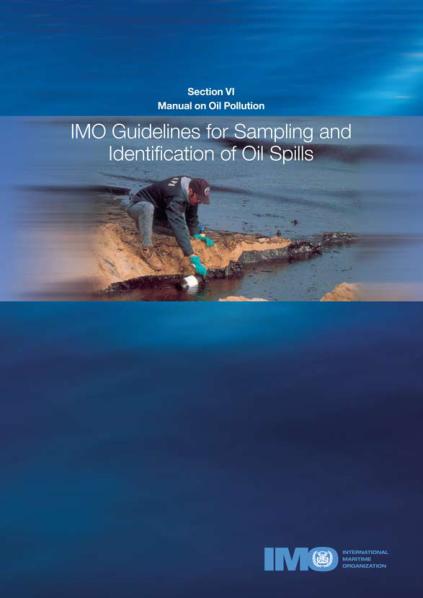
Manual on Oil Pollution: Section VI – IMO Guidelines for Sampling and Identification of Oil Spills
show More to view fulltext, buy and share links for:Manual on Oil Pollution: Section VI – IMO Guidelines for Sampling and Identification of Oil Spills show Less to hide fulltext, buy and share links for: Manual on Oil Pollution: Section VI – IMO Guidelines for Sampling and Identification of Oil SpillsThis Section is intended to provide guidance to Governments, including those of developing countries, on the techniques, equipment and strategies for sampling oil to identify unknown sources of spilled oil. Although references are given for the laboratory methods required for analysis, the emphasis in this text is on the details of the field work required to collect the samples.
-
-
-
Manual on Oil Spill Risk Evaluation and Assessment of Response Preparedness
show More to view fulltext, buy and share links for:Manual on Oil Spill Risk Evaluation and Assessment of Response Preparedness show Less to hide fulltext, buy and share links for: Manual on Oil Spill Risk Evaluation and Assessment of Response PreparednessThis Manual provides:
- Information on oil spill risk evaluation and assessment for the development of preparedness and response
- Guidance for industry and Governments, particularly those of developing countries, in assessing risk and the adequacy of contingency plans
- Suggestions on how to resolve the potentially complex and varied issues of the assessment process
-
-
-
Manual sobre Contaminación Química: Parte 1 – Evaluación del Problema y Medidas de Respuesta
show More to view fulltext, buy and share links for:Manual sobre Contaminación Química: Parte 1 – Evaluación del Problema y Medidas de Respuesta show Less to hide fulltext, buy and share links for: Manual sobre Contaminación Química: Parte 1 – Evaluación del Problema y Medidas de RespuestaThis Section provides guidance on ways of assessing hazards associated with a chemical spillage and describes possible response.
-
-
-
Manual sobre contaminación química: Parte 2 – Búsqueda y recuperación de mercancías en bultos perdidos en el mar
show More to view fulltext, buy and share links for:Manual sobre contaminación química: Parte 2 – Búsqueda y recuperación de mercancías en bultos perdidos en el mar show Less to hide fulltext, buy and share links for: Manual sobre contaminación química: Parte 2 – Búsqueda y recuperación de mercancías en bultos perdidos en el marLa presente publicación contiene:
- Resumen de las reglas y acuerdos respecto del transporte de mercancías peligrosas en bultos
- Pérdida y destino de los bultos
- Localización de mercancías en bultos perdidos en el mar
- Identificación y evaluación de los peligros
- Medidas que han de adoptarse para recuperar mercancías en bultos
- Explosivos (Clase 1 del Código IMDG)
- Etiquetas, marcas y señales
-
-
-
Manual sobre contaminación química: Sección 3 – Aspectos jurídicos y administrativos de los sucesos relacionados con SNPP
show More to view fulltext, buy and share links for:Manual sobre contaminación química: Sección 3 – Aspectos jurídicos y administrativos de los sucesos relacionados con SNPP show Less to hide fulltext, buy and share links for: Manual sobre contaminación química: Sección 3 – Aspectos jurídicos y administrativos de los sucesos relacionados con SNPPLa presente publicación tiene como objetivo asistir a los Gobiernos en la implantación del Protocolo sobre cooperación, preparación y lucha contra los sucesos de contaminación por sustancias nocivas y potencialmente peligrosas, 2000 (Protocolo de cooperación-SNPP 2000), y en ella se indican las obligaciones impuestas en virtud del Protocolo y las medidas que han de adoptarse para cumplirlas.
El propósito de este manual es facilitar al lector, en especial a los jefes en el lugar del siniestro, el personal de respuesta, las entidades gubernamentales y otras partes que intervengan en la gestión de sucesos de contaminación relacionados con sustancias nocivas y potencialmente peligrosas (SNPP) y/o la respuesta a los mismos, una descripción de los diversos intereses que resultan afectados en los sucesos relacionados con SNPP, así como de sus consecuencias.
-
-
-
Manual sobre la contaminación ocasionada por Hidrocarburos: Parte I – Prevención
show More to view fulltext, buy and share links for:Manual sobre la contaminación ocasionada por Hidrocarburos: Parte I – Prevención show Less to hide fulltext, buy and share links for: Manual sobre la contaminación ocasionada por Hidrocarburos: Parte I – PrevenciónEsta Parte del Manual sobre la contaminación ocasionada por hidrocarburos se ha proyectado para suministrar orientaciones prácticas relativas a la prevención de la contaminación por los buques y contiene procedimientos para la manipulación de cargas de hidrocarburos, toma de combustible, operaciones de trasbordo de buque a buque, operaciones de trasbordo en unidades mar adentro y operaciones en aguas cubiertas de hielo. Suministra además una visión general de las diversas prácticas que complementa las normas más detalladas del sector y los códigos de prácticas actualmente en uso. La información facilitada no anula ni sustituye la información, leyes o reglamentos de ninguna otra publicación por lo que respecta a las aguas y zonas a las que se refiere.
-
-
-
Manual sobre la contaminación ocasionada por hidrocarburos: Parte IV – Lucha contra los derrames de hidrocarburos
show More to view fulltext, buy and share links for:Manual sobre la contaminación ocasionada por hidrocarburos: Parte IV – Lucha contra los derrames de hidrocarburos show Less to hide fulltext, buy and share links for: Manual sobre la contaminación ocasionada por hidrocarburos: Parte IV – Lucha contra los derrames de hidrocarburosThis edition of Section IV draws on the experience and lessons learned by Governments and industry in responding to marine Oil pollution world-wide during the past thirty years. It builds on earlier editions, and provides a clear and concise overview of the present level of knowledge, expertise and understanding in the field of oil spill response.
It covers the behaviour and fate of different types of oil when spilled and the effects on marine and coastal resources, and includes new chapters on burning in situ and bioremediation measures.
-
-
-
Manual sobre la contaminación ocasionada por hidrocarburos: Parte V – Aspectos administrativos de la lucha contra la contaminación por hidrocarburos
show More to view fulltext, buy and share links for:Manual sobre la contaminación ocasionada por hidrocarburos: Parte V – Aspectos administrativos de la lucha contra la contaminación por hidrocarburos show Less to hide fulltext, buy and share links for: Manual sobre la contaminación ocasionada por hidrocarburos: Parte V – Aspectos administrativos de la lucha contra la contaminación por hidrocarburosLa presente parte del Manual sobre la contaminación ocasionada por hidrocarburos tiene por objeto ofrecer al lector, en especial a los jefes en el lugar del siniestro, a los organismos coordinadores y a otras partes que intervienen en la gestión de la lucha contra la contaminación por hidrocarburos, una visión de los distintos intereses que se dan en una situación de emergencia debida a contaminación por hidrocarburos y durante sus secuelas, así como un examen general de los regímenes del sector jurídicos y voluntarios internacionales que rigen la limitación de la responsabilidad y la indemnización de daños debidos a contaminación por hidrocarburos. El objetivo de la presente parte no es ofrecer observaciones autorizadas ni definitivas sobre las relaciones jurídicas entre las distintas entidades que intervienen en una situación de emergencia debida a contaminación por hidrocarburos, ni una interpretación de los convenios internacionales pertinentes.
-
-
-
Manuel IAMSAR, Volume I – Organisation et gestion
Manuel international de recherche et de sauvetage aéronautiques et maritimes, Volume I
show More to view fulltext, buy and share links for:Manuel IAMSAR, Volume I – Organisation et gestion show Less to hide fulltext, buy and share links for: Manuel IAMSAR, Volume I – Organisation et gestionEn cliquant sur le bouton « Read » de cette page, vous accéderez au PDF de l’intégralité du livre. Pour accéder à la version en texte intégral et aux PDF des chapitres individuels, cliquez sur l’onglet « Chapters » et sélectionnez le chapitre que vous souhaitez lire.
Le volume intitulé Organisation et gestion porte sur le concept du dispositif SAR mondial, sur l’établissement et l’amélioration de dispositifs SAR nationaux et régionaux et sur la coopération avec les États voisins en vue de mettre en œuvre des services SAR efficaces et économiques.
L'édition de 2025 contient les amendements approuvés par l'Organisation de l'aviation civile (OACI) et par le Comité de la sécurité maritime (MSC) de l'Organisation maritime internationale (OMI), à sa cent neuvième session, en décembre 2024, par la circulaire MSC.1/Circ.1686, qui entreront en vigueur le 1er janvier 2026.
-
-
-
Manuel IAMSAR, Volume II – Coordination des missions
Manuel international de recherche et de sauvetage aéronautiques et maritimes
show More to view fulltext, buy and share links for:Manuel IAMSAR, Volume II – Coordination des missions show Less to hide fulltext, buy and share links for: Manuel IAMSAR, Volume II – Coordination des missionsEn cliquant sur le bouton « Read » de cette page, vous accéderez au PDF de l’ouvrage complet. Pour accéder à la version en texte intégral ainsi qu’aux PDF des chapitres individuels, cliquez sur l’onglet « Chapters » et sélectionnez le chapitre que vous souhaitez consulter.
Le présent volume, intitulé Coordination des missions, est destiné à ceux qui planifient et coordonnent les opérations et les exercices de recherche et de sauvetage (SAR).
Une nouvelle édition du Manuel IAMSAR est publiée tous les trois ans. L’édition de 2025 contient les amendements approuvés par l’Organisation de l’aviation civile (OACI) et par le Comité de la sécurité maritime (MSC) de l’Organisation maritime internationale (OMI), à sa cent neuvième session, en décembre 2024, par le biais de la circulaire MSC.1/Circ.1686, qui entreront en vigueur le 1er janvier 2026.
-
-
-
Manuel IAMSAR, Volume III – Moyens mobiles
Manuel international de recherche et de sauvetage aéronautiques et maritimes, Volume III
show More to view fulltext, buy and share links for:Manuel IAMSAR, Volume III – Moyens mobiles show Less to hide fulltext, buy and share links for: Manuel IAMSAR, Volume III – Moyens mobilesEn cliquant sur le bouton « Lire » de cette page, vous accéderez au PDF du livre complet. Pour accéder à la version en texte intégral et aux PDF des chapitres individuels, cliquez sur l’onglet « Chapitres » et sélectionnez le chapitre que vous souhaitez lire.
Le volume intitulé Moyens mobiles est destiné à être emporté à bord des unités de recherche, des aéronefs et des navires, pour aider à l’exécution d’une recherche, d’un sauvetage ou d’une fonction de coordination sur place ainsi que dans des aspects SAR qui concernent leurs propres situations d’urgence.
Une nouvelle édition est publiée tous les trois ans. L’édition de 2025 contient les amendements approuvés par l’Organisation de l’aviation civile (OACI) et par le Comité de la sécurité maritime (MSC) de l’Organisation maritime internationale (OMI), à sa cent neuvième session, en décembre 2024, par la circulaire MSC.1/Circ.1686, qui entrent en vigueur le 1er janvier 2026.
-
-
-
Manuel NAVTEX
show More to view fulltext, buy and share links for:Manuel NAVTEX show Less to hide fulltext, buy and share links for: Manuel NAVTEXLe service NAVTEX est un service automatique d’impression directe destiné à être utilisé dans le monde entier pour l’émission d’avertissements concernant la navigation et la météorologie et d’informations urgentes à l’intention des navires. Il s’agit de la principale méthode utilisée pour la diffusion des renseignements sur la sécurité maritime et d’alertes de recherche et de sauvetage en cas d’incident, conformément aux dispositions de la Convention internationale de 1974 pour la sauvegarde de la vie humaine en mer. II a été mis au point pour que les navires puissent disposer d’un moyen simple, peu coûteux et automatique leur permettant de recevoir à bord, lorsqu’ils naviguent en mer et dans les eaux côtières, des renseignements sur la sécurité maritime.
La présente édition comprend notamment la procédure de retrait des stations NAVTEX existantes, si un État côtier en décide ainsi.
Le présent Manuel a été établi essentiellement à l’intention des Administrations maritimes, des gens de mer, des armateurs et d’autres parties s’occupant de la mise au point, de la diffusion et de la réception de renseignements sur la sécurité maritime.
L’édition de 2023 du Manuel est entrée en vigueur le 1er janvier 2023 et comprend le texte révisé des Normes de fonctionnement pour la réception de renseignements sur la sécurité maritime et de renseignements relatifs à la recherche et au sauvetage sur ondes hectométriques (NAVTEX) et sur ondes décamétriques (résolution MSC.508(105)) ainsi que le texte révisé des Critères à appliquer pour assurer un service NAVTEX (résolution MSC.509(105), annexe 4).
-
-
-
Manuel Sur La Pollution Chimique: Section 1 – Évaluation et Intervention
show More to view fulltext, buy and share links for:Manuel Sur La Pollution Chimique: Section 1 – Évaluation et Intervention show Less to hide fulltext, buy and share links for: Manuel Sur La Pollution Chimique: Section 1 – Évaluation et InterventionLa présente publication, élaborée par le Comité de la protection du milieu marin de l’Organisation maritime internationale (OMI), remplace l’édition de 1986 de la Section 1 du Manuel sur la pollution chimique. Aux fins du présent Manuel, les substances nocives et potentiellement dangereuses (substances HNS) comprennent, mais sans s’y limiter : les substances nocives liquides mentionnées dans l’Annexe II de MARPOL 73/78 et dans le Recueil international de règles sur les transporteurs de produits chimiques (Recueil IBC); les marchandises dangereuses mentionnées dans le Code maritime international des marchandises dangereuses (Code IMDG); les gaz mentionnés dans le Recueil international de règles sur les transporteurs de gaz (Recueil IGC); et les cargaisons solides mentionnées dans le Recueil de règles pratiques pour la sécurité du transport des cargaisons solides en vrac (Recueil BC). Ce Manuel est conçu de manière à aider les gouvernements à évaluer les risques liés aux déversements de substances nocives et potentiellement dangereuses et à mettre en place des organismes d’intervention. Il décrit en outre des méthodes d’intervention sûres. La présente section de ce Manuel ne traite ni de la récupération des colis perdus lors d’événements en mer, ni des problèmes afférents aux substances radioactives ou explosives. Ces questions sont traitées dans le Manuel sur la pollution chimique : Section 2 – Recherche et récupération des marchandises en colis perdues en mer.
Les problèmes liés aux accidents de pollution par les hydrocarbures et les renseignements connexes font l’objet des sections I à VI du Manuel sur la pollution par les hydrocarbures de l’OMI.
-
-
-
Manuel conjoint OMI/OHI/OHM sur les renseignements sur la sécurité maritime
show More to view fulltext, buy and share links for:Manuel conjoint OMI/OHI/OHM sur les renseignements sur la sécurité maritime show Less to hide fulltext, buy and share links for: Manuel conjoint OMI/OHI/OHM sur les renseignements sur la sécurité maritimeLe présent Manuel constitue un guide pratique pour la préparation de messages relatifs aux renseignements sur la sécurité maritime et la diffusion d'avertissements de navigation et/ou de prévisions ou d'avertissements météorologiques dans le cadre du Système mondial de détresse et de sécurité en mer (SMDSM).
-
-
-
Manuel sur la pollution chimique
Section 2 – Recherche et récupération des marchandises en colis perdues en mer
show More to view fulltext, buy and share links for:Manuel sur la pollution chimique show Less to hide fulltext, buy and share links for: Manuel sur la pollution chimiqueLe Manuel sur la pollution chimique comporte actuellement deux sections. La premièe (Évaluation et intervention) a été publiée pour la première fois en 1987 et révisée en 1999. La présente publication (Section 2) a été élaborée par le Comité de protection du milieu marin (MEPC) de l'Organisation maritime internationale (OMI). Elle a pour objet de fournir aux gouvernements des indications sur les méthodes de recherche et de récupération des marchandises en colis perdues en mer auxquelles s'appliquent les dispositions du chapitre VII de la Convention SOLAS 1974, telle que modifiée, et de l'Annexe III de la convention MARPOL, telle que modifiée.
La priorité devrait être donnée à toutes les mesures qui peuvent raisonnablement être prises pour éviter la perte par-dessus bord de colis contenant des marchandises dangereuses et des substances nuisibles. Toutefois, la possibilité d'une telle perte ne peut jamais être totalement exclue. La présente section (Recherche et récupération des marchandises en colis perdues en mer) décrit le sort des colis perdus en mer et les mesures susceptibles d'être prises à leur égard et énonce des lignes directrices sur la manière de procéder pour déterminer s'il convient ou non de récupérer les colis.
Les problèmes liés aux accidents de pollution par les hydrocarbures et les renseignements connexes font l'objet des sections I à VI du Manuel sur la pollution par les hydrocarbures.
Il convient d'obtenir l'avis d'experts sur les mesures à prendre en cas de colis contenant des matières de la classe 7 du Code IMDG (matières radioactives) auprès de l'Agence internationale de l'énergie atomique (AIEA) et de se reporter au Guide de sûreté de l'AIEA Planification et préparation de l'intervention d'urgence en cas d'accident de transport mettant en cause des matières radioactives (TS-G-1.2).
-
-
-
Manuel sur la pollution chimique
Section 3 – Aspects juridiques et administratifs des événements mettant en cause des substances SNPD
show More to view fulltext, buy and share links for:Manuel sur la pollution chimique show Less to hide fulltext, buy and share links for: Manuel sur la pollution chimiqueLa présente publication a pour objet d’aider les Gouvernements à appliquer le Protocole de 2000 sur la préparation, la lutte et la coopération contre les événements de pollution par les substances nocives et potentiellement dangereuses (Protocole OPRC-HNS), en décrivant les obligations établies par le Protocole et les moyens de satisfaire à ces obligations.
Le Manuel a pour objet de donner au lecteur et notamment aux commandants sur place, au personnel d’intervention, aux instances gouvernementales et à tous ceux qui participent à la gestion et/ou à l’intervention en cas d’un événement de pollution par des SNPD, une indication des intérêts en cause lors d’un événement mettant en cause des SNPD et par la suite.
-
-
-
Manuel sur la pollution par les hydrocarbures
Section IV – Lutte contre les déversements d’hydrocarbures
show More to view fulltext, buy and share links for:Manuel sur la pollution par les hydrocarbures show Less to hide fulltext, buy and share links for: Manuel sur la pollution par les hydrocarburesLa présente édition de la Section IV tire les leçons de l'expérience acquise dans le monde entier par les gouvernements et l'industrie en matière de lutte contre la pollution par les hydrocarbures au cours des trente dernières années. Elle complète la version précédente et dresse un aperçu clair et précis du niveau actuel des connaissances, de l'expertise et de la compréhension en matière de réduction des effets des déversements d'hydrocarbures.
Cette section couvre le comportement et le cheminement des différents types d'hydrocarbures déversés, et leurs effets sur les ressources marines et côtières, et contient de nouveaux chapitres consacrés au brûlage sur place et aux mesures de biorestauration.
-
-
-
Manuel sur la pollution par les hydrocarbures : Section I – Prévention
show More to view fulltext, buy and share links for:Manuel sur la pollution par les hydrocarbures : Section I – Prévention show Less to hide fulltext, buy and share links for: Manuel sur la pollution par les hydrocarbures : Section I – PréventionLa présente section du Manuel sur la pollution par les hydrocarbures vise à fournir des indications pratiques relatives à la prévention de la pollution par les hydrocarbures, en décrivant les procédures relatives à la manipulation des cargaisons d’hydrocarbures, au mazoutage et aux opérations de transfert de navire à navire, de transfert faisant intervenir des unités au large et dans les eaux couvertes de glace. Elle donne également un aperçu des diverses pratiques de prévention employées en complément des normes détaillées du secteur maritime et des codes de conduite actuellement en vigueur. Les renseignements fournis dans le présent document ne visent pas à annuler ni à remplacer les informations, législations ou réglementations contenues dans d’autres publications relatives aux eaux et aux zones auxquelles ils se rapportent.
-
-
-
Manuel sur les Services SafetyNET Internationaux
show More to view fulltext, buy and share links for:Manuel sur les Services SafetyNET Internationaux show Less to hide fulltext, buy and share links for: Manuel sur les Services SafetyNET InternationauxLe service SafetyNET est un service international automatique d’impression directe qui consiste à diffuser par satellite des renseignements sur la sécurité maritime (RSM), notamment des avertissements de navigation, des renseignements météorologiques et d’autres messages urgents concernant la sécurité à l’intention des navires, ainsi que des renseignements relatifs à la recherche et au sauvetage. Ce service fait partie intégrante du système mondial de détresse et de sécurité en mer (SMDSM).
La présente édition du Manuel, rebaptisé Manuel sur les services SafetyNET internationaux, incorpore les modifications apportées au réseau et aux services satellitaires Inmarsat, notamment le service Inmarsat Fleet Safety, qui a été reconnu comme un service mobile par satellite à utiliser dans le SMDSM, par l’adoption de la résolution MSC.450(99).
-
-
-
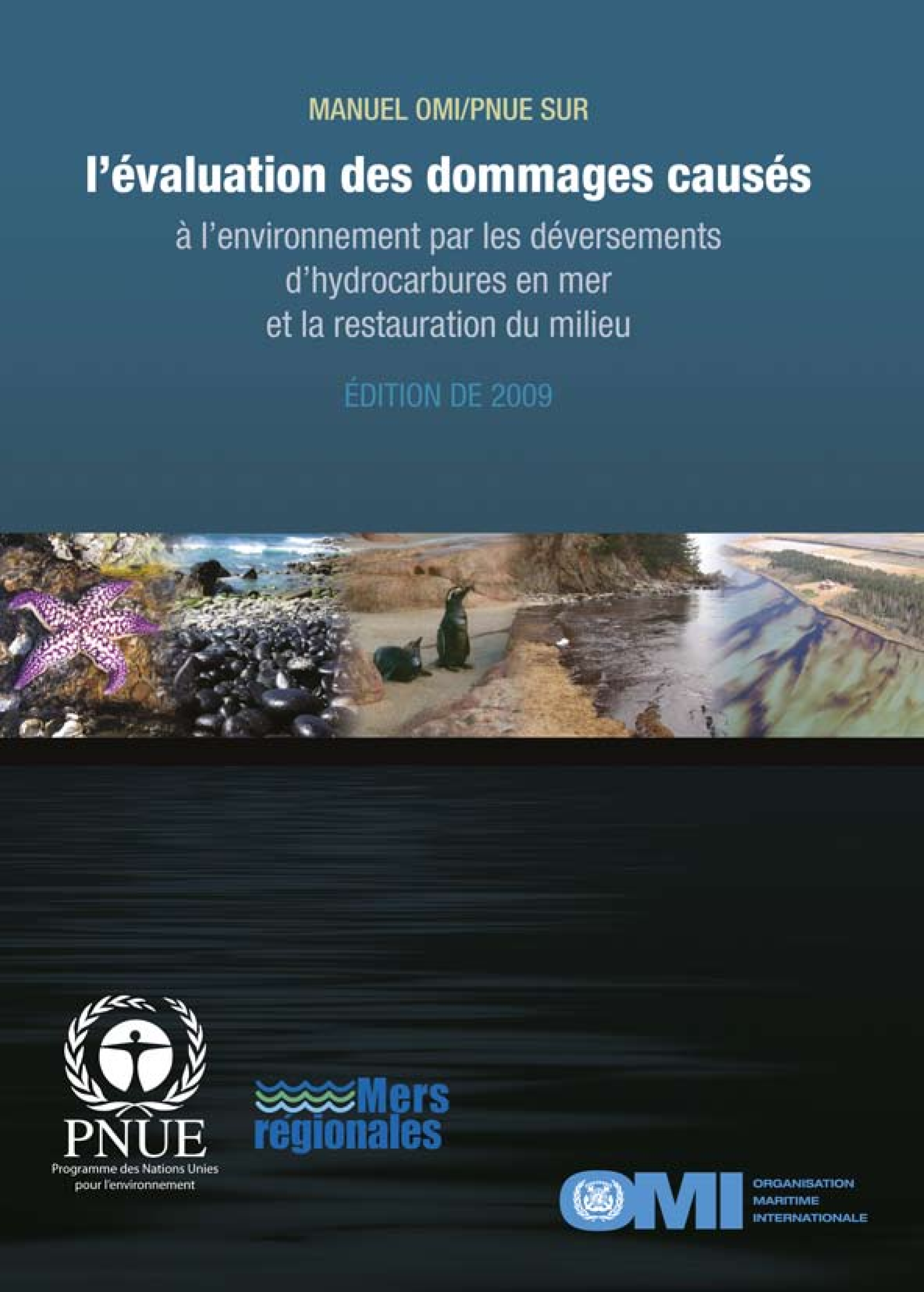
Manuel OMI/PNUE sur l’évaluation des dommages causés à l’environnement par les déversements d’hydrocarbures en mer et la restauration du milieu
show More to view fulltext, buy and share links for:Manuel OMI/PNUE sur l’évaluation des dommages causés à l’environnement par les déversements d’hydrocarbures en mer et la restauration du milieu show Less to hide fulltext, buy and share links for: Manuel OMI/PNUE sur l’évaluation des dommages causés à l’environnement par les déversements d’hydrocarbures en mer et la restauration du milieuLe présent Manuel a pour objet de donner des orientations relatives aux stratégies susceptibles d'être mises en oeuvre pour évaluer les dommages et la régénération de l'environnement en cas de pollution accidentelle de la mer. Les techniques disponibles sont examinées parallèlement aux critères permettant d'évaluer si les mesures envisagées entraîneraient une régénération adéquate des milieux sinistrés.
Le Manuel insiste sur l'importance que revêt la planification préalable et présente un aperçu général des techniques d'évaluation et des mesures de réparation à mettre en œuvre pour différents écosystèmes. Il fournit également des indications relatives aux possibilités d'indemnisation dans le cadre des régimes internationaux d'indemnisation pour les dommages dus à la pollution par les hydrocarbures. Des exemples pratiques d'évaluation des ressources naturelles et de restauration sont fournis sous forme d'études de cas.
-
-
-
Marine Environmental Awareness
Model Course 1.38
show More to view fulltext, buy and share links for:Marine Environmental Awareness show Less to hide fulltext, buy and share links for: Marine Environmental AwarenessThis course combines two important aspects of modern shipping; care for the Marine environment and the importance of human performance. The course is intended to give trainees knowledge of the importance and diversity of the Marine environment as well as understanding and awareness of the impacts of shipping activities on the (marine) environment. The course will stimulate personal responsibility to use solutions that contribute to environmentally sound shipping.
-
-
-
Maritime English
Model Course 3.17
show More to view fulltext, buy and share links for:Maritime English show Less to hide fulltext, buy and share links for: Maritime EnglishThere are two sections in the revised IMO model course on Maritime English: Core section 1: General Maritime English (GME), and Core section 2: Specialized Maritime English (SME), both of which contain a number of detailed teaching syllabi. GME means that the first stage of Maritime English instruction could be general. SME means that the second stage of Maritime English instruction could be maritime-specific.
-
-
-
Master and Chief Mate
Model course 7.01
show More to view fulltext, buy and share links for:Master and Chief Mate show Less to hide fulltext, buy and share links for: Master and Chief MateThis model course aims to meet the mandatory minimum requirements for knowledge, understanding and proficiency in Table A-ll/2 of STCW Code for the function Navigation at the Management Level, for the function Cargo Handling and Stowage at the Management Level and the background knowledge to support Controlling the Operation of the Ship and Care for Persons on Board at the Management Level.
-
-
-
Matériel de Prévention de la Pollution en vertu de MARPO
show More to view fulltext, buy and share links for:Matériel de Prévention de la Pollution en vertu de MARPO show Less to hide fulltext, buy and share links for: Matériel de Prévention de la Pollution en vertu de MARPOLa présente publication contient :
- la résolution MEPC.107(49) - Directives et spécifications relatives au matériel de prévention de la pollution destiné aux eaux de cale de la tranche des machines des navires
- la résolution MEPC.108(49) - Directives et spécifications révisées pour les dispositifs de surveillance continue et de contrôle des rejets d'hydrocarbures à bord des pétroliers
- la résolution MEPC.159(55) - Directives révisées sur l'application de normes relatives aux effluents et sur les essais de performance des installations de traitement des eaux usées
- la résolution MEPC.76(40), telle que modifiée par la résolution MEPC.93(45) - Spécification normalisée des incinérateurs de bord
- la résolution MEPC.130(53) - Directives sur les dispositifs d'épuration des gaz d'échappement (SOx) à bord
-
-
-
Medical Care
Model Course 1.15: Course and Compendium
show More to view fulltext, buy and share links for:Medical Care show Less to hide fulltext, buy and share links for: Medical CareThis two-volume model course provides training in elementary first aid at management level and is based on the provisions of table A-VI/4-2 of the STCW Code.
-
-
-
Medical First Aid
Model Course 1.14: Course and Compendium
show More to view fulltext, buy and share links for:Medical First Aid show Less to hide fulltext, buy and share links for: Medical First AidThis model course provides training in elementary first aid at operator’s level and is based on the provisions of table A-VI/4-1 of the STCW Code.
-
-
-
Muestreo del material de dragado
Directrices sobre el muestreo y análisis del material de dragado destinado a la evacuación en el mar
show More to view fulltext, buy and share links for:Muestreo del material de dragado show Less to hide fulltext, buy and share links for: Muestreo del material de dragadoThe guidance contained in this Guidelines for the Sampling and Analysis of Dredged material Intended for Disposal at Sea, addresses the points above and is an amalgamation of two documents produced for the London Convention and the 1996 Protocol thereto:
- Guidelines for the sampling of sediment intended for disposal at sea (LC 24/17, addendum 1)
- Selection and analysis of physical and chemical parameters for the assessment of Dredged material quality (LC/SG 26/12, annex 2)
-
-
-
NAVTEX Manual
show More to view fulltext, buy and share links for:NAVTEX Manual show Less to hide fulltext, buy and share links for: NAVTEX ManualNAVTEX is an international automated directprinting service for promulgation of Maritime safety information such as navigational warnings and meteorological information to ships. It is a principle method for broadcasting maritime safety information, and Search and rescue alerts when there is an incident, in accordance with the provisions of the International Convention for the Safety of Life at Sea, 1974. It has been developed to provide a low-cost, simple and automated means of receiving Maritime safety information on board ships at sea and in coastal waters. This edition includes, in particular, the procedure to withdraw existing NAVTEX stations, should a coastal State decide to do so.
This Manual is intended for use by maritime Administrations, seafarers, shipowners and others concerned with preparing, broadcasting and receiving Maritime safety information. The 2023 edition of the Manual came into effect on 1 January 2023 and includes the revised Performance standards for the reception of Maritime safety information and Search and rescue related information by MF (NAVTEX) and HF (resolution MSC.508(105)) and the revised Criteria for use when providing a NAVTEX service (resolution MSC.509(105), annex 4).
-
-
-
Nairobi International Convention on the Removal of Wrecks, 2007
show More to view fulltext, buy and share links for:Nairobi International Convention on the Removal of Wrecks, 2007 show Less to hide fulltext, buy and share links for: Nairobi International Convention on the Removal of Wrecks, 2007The Nairobi International Convention on the Removal of Wrecks, 2007 provides the legal basis to enable States to remove, or to have removed, from their coastlines and waters around their coasts, wrecks posing a hazard to the safety of shipping or to the Marine environment. To achieve these objectives, the new treaty includes provisions on the reporting and locating of ships and wrecks and criteria for determining the hazard posed by wrecks, including assessment of damage to the Marine environment. It also regulates measures to facilitate the removal of wrecks, as well as the liability of the owner for the costs of locating, marking and removing of ships and wrecks. The registered shipowner is required to maintain compulsory insurance or other financial security to cover liability under the Convention.
-
-
-
Noise Levels on Board Ships
show More to view fulltext, buy and share links for:Noise Levels on Board Ships show Less to hide fulltext, buy and share links for: Noise Levels on Board ShipsThis publication contains the Code on Noise Levels on Board Ships (resolution A.468(XII)), developed to stimulate and promote noise control at a national level within the framework of internationally agreed guidelines, and the Recommendation on methods of measuring noise levels at listening posts (resolution A.343(IX)).
-
-
-
Normas de construcción basadas en objetivos para graneleros y petroleros y directrices conexas
show More to view fulltext, buy and share links for:Normas de construcción basadas en objetivos para graneleros y petroleros y directrices conexas show Less to hide fulltext, buy and share links for: Normas de construcción basadas en objetivos para graneleros y petroleros y directrices conexasLa presente publicación contiene:
- Las normas internacionales de construcción de buques basadas en objetivos para graneleros y petroleros (resolución MSC.287(87) y las enmiendas conexas al Convenio SOLAS para hacer obligatorias las mismas (MSC.290(87);
- Directrices para la verifi cación del cumplimiento de las normas de construcción de buques basadas en objetivos para graneleros y petroleros (MSC.296(87);
- Directrices sobre la información que debe incluirse en el expediente de construcción del buque (MSC.1/Circ.1343); y
- Directrices genéricas para elaborar normas de la OMI basadas en objetivos (MSC.1/Circ.1394).
-
-
-
Normes de construction des navires en fonction d’objectifs applicables aux vraquiers et aux pétroliers et directives connexes
show More to view fulltext, buy and share links for:Normes de construction des navires en fonction d’objectifs applicables aux vraquiers et aux pétroliers et directives connexes show Less to hide fulltext, buy and share links for: Normes de construction des navires en fonction d’objectifs applicables aux vraquiers et aux pétroliers et directives connexesLa présente publication comprend:
- les Normes internationales de construction des navires en fonction d’objectifs applicables aux vraquiers et aux pétroliers (résolution MSC.287(87)) et les amendements connexes à la Convention SOLAS de 1974 (résolution MSC.290(87)) rendant ces normes obligatoires;
- les Directives pour la vérification de la conformité avec les normes de construction des navires en fonction d’objectifs applicables aux vraquiers et aux pétroliers (résolution MSC.296(87));
- les Directives sur les renseignements à inclure dans le dossier de construction du navire (MSC.1/Circ.1343); et
- les Directives générales pour l’élaboration de normes de l’OMI en fonction d’objectifs (MSC.1/Circ.1394)
-
-
-
OMI 2020
Application uniforme de l'Annexe VI de MARPOL
show More to view fulltext, buy and share links for:OMI 2020 show Less to hide fulltext, buy and share links for: OMI 2020En octobre 2008, le Comité de la protection du milieu marin (MEPC) de l’Organisation maritime internationale (OMI) a adopté des modifications apportées aux règles internationales relatives à la prévention de la pollution de l’atmosphère par les navires (Annexe VI de MARPOL). Dans la version révisée des règles, il est exigé qu’à compter du 1er janvier 2020, la teneur en soufre du fuel-oil utilisé par les navires exploités en dehors des zones de contrôle des émissions désignées ne dépasse pas 0,50 % en masse; ces modifications sont connues sous le nom d’Initiative de l’OMI «Horizon 2020». La réduction des émissions d’oxydes de soufre améliorera considérablement la santé humaine et l’environnement au niveau mondial.
L’Initiative de l’OMI «Horizon 2020» aura un retentissement majeur à l’échelle mondiale. Afin que le secteur maritime international puisse mettre en œuvre avec succès cette initiative, la présente publication rassemble en un seul document l’ensemble des instruments et recommandations élaborés, y compris les résolutions et circulaires de l’OMI, afin qu’il soit facile de s’y reporter.
-
-
-
OMI 2020
Implantación uniforme del Anexo VI del MARPOL
show More to view fulltext, buy and share links for:OMI 2020 show Less to hide fulltext, buy and share links for: OMI 2020En octubre de 2008, el Comité de protección del medio marino de la Organización Marítima Internacional adoptó revisiones de las reglas internacionales para prevenir la contaminación atmosférica ocasionada por los buques (Anexo VI del Convenio MARPOL). Las reglas revisadas incluían la prescripción de que, a partir del 1 de enero de 2020, el contenido de azufre del fueloil utilizado por los buques que operasen fuera de las zonas de control de las emisiones designadas no rebasaría el 0,50 % en masa; esta prescripción recibe la denominación de «OMI 2020». La reducción de las emisiones de óxidos de azufre se traducirá en beneficios significativos para la salud humana y el medio ambiente en todo el mundo.
La prescripción «OMI 2020» tendrá efectos importantes en todo el mundo. A fin de contribuir a que el sector del transporte marítimo internacional la implante con éxito, esta publicación reúne en un solo documento todos los instrumentos y orientaciones elaborados, incluidas las resoluciones y circulares de la OMI, a fin de facilitar las referencias.
-
-
-
OPRC Convention
International Convention on Oil Pollution Preparedness, Response and Co-Operation, 1990
show More to view fulltext, buy and share links for:OPRC Convention show Less to hide fulltext, buy and share links for: OPRC ConventionThe International Convention on Oil pollution Preparedness, Response and Co-operation, 1990, was adopted at a conference convened in November 1990 for the purpose of establishing precautionary measures and effective preparation for combating Oil pollution incidents involving ships, offshore units, sea ports and oil handling facilities. The publication includes:
- Final Act of the Conference on International Co-operation on Oil pollution Preparedness and Response, 1990;
- OPRC Convention, 1990;
- Resolutions 1 to 10 adopted by the Conference.
-
-
-
OPRC-HNS Protocol
Protocol on Preparedness, Response and Co-operation to Pollution Incidents by Hazardous and Noxious Substances, 2000
show More to view fulltext, buy and share links for:OPRC-HNS Protocol show Less to hide fulltext, buy and share links for: OPRC-HNS ProtocolThis publication reproduces the texts of the Final Act of the Conference, including its Attachments, and the Protocol on Preparedness, Response and Co-operation to Pollution Incidents by Hazardous and Noxious Substances, 2000.
-
-
-
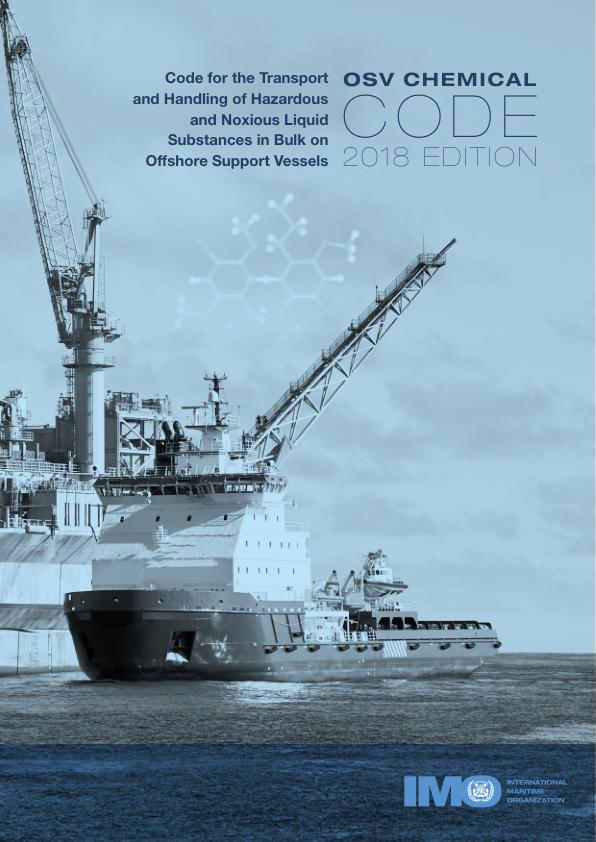
OSV Chemical Code
Code for the Transport and Handling of Hazardous and Noxious Liquid Substances in Bulk on Offshore Support Vessels
show More to view fulltext, buy and share links for:OSV Chemical Code show Less to hide fulltext, buy and share links for: OSV Chemical CodeThe Code for the Transport and Handling of Hazardous and Noxious Liquid Substances in Bulk on Offshore Support Vessels (OSV Chemical Code), has been developed for the design, construction and operation of offshore support vessels (OSVs) which transport hazardous and noxious liquid substances in bulk for the servicing and resupplying of offshore platforms, Mobile offshore drilling units and other offshore installations, including those employed in the search for and recovery of hydrocarbons from the seabed.
The basic philosophy of the present Code is to apply standards contained in the Code and the International Code for the Construction and Equipment of Ships Carrying Dangerous Chemicals in Bulk (IBC Code) and in the International Code for the Construction and Equipment of Ships Carrying Liquefied Gases in Bulk (IGC Code) to the extent that is practicable and reasonable taking into account the unique design features and service characteristics of OSVs.
-
-
-
OSV Code
Code of Safe Practice for the Carriage of Cargoes and Persons by Offshore Supply Vessels
show More to view fulltext, buy and share links for:OSV Code show Less to hide fulltext, buy and share links for: OSV CodeThe purpose of the Code of Safe Practice for the Carriage of Cargoes and Persons by Offshore supply vessels (OSV Code), which was adopted by resolution A.863(20), is to provide, for both the operator and contractor, an international standard to avoid or to reduce to a minimum the hazards which affect Offshore supply vessels in their daily operation of carrying cargoes and persons from and between offshore installations. This standard should be considered when implementing a safety-management system within the meaning of paragraph 1.4 of the International Safety Management (ISM) Code.
-
-
-
Officer in Charge of a Navigational Watch
Model course 7.03
show More to view fulltext, buy and share links for:Officer in Charge of a Navigational Watch show Less to hide fulltext, buy and share links for: Officer in Charge of a Navigational WatchThis model course comprises three functions at the operational level. On successful completion of the training and assessment trainees should be competent to carry out safely the watchkeeping duties of an officer in charge of a navigational watch, both at sea and in port. In particular, they will be fully conversant with the basic principles to be observed in keeping a navigational watch as per STCW Regulation VIII/2 and STCW Code Chapter VIII.
-
-
-
Officer in Charge of a Navigational Watch on a Fishing Vessel
Model Course 7.06
show More to view fulltext, buy and share links for:Officer in Charge of a Navigational Watch on a Fishing Vessel show Less to hide fulltext, buy and share links for: Officer in Charge of a Navigational Watch on a Fishing VesselThe course is organized under the three functions at the operating level of responsibility. Specifically, this course covers the minimum standard of competence for officers in charge of a navigational watch on Fishing vessels of 24 metres in length and over, operating in unlimited waters.
-
-
-
Officer in Charge of an Engineering Watch
Model course 7.04
show More to view fulltext, buy and share links for:Officer in Charge of an Engineering Watch show Less to hide fulltext, buy and share links for: Officer in Charge of an Engineering WatchThis model course aims to meet the mandatory minimum requirements for knowledge, understanding and proficiency in Table A-III/1 of STCW Code for the function Marine Engineering, Electrical, Electronic and Control Engineering, Maintenance and Repair and Controlling the Operation of the Ship and Care for Persons on Board at the Operational Level.
-
-
-
Official Records of the Conference on the Establishment of an International Compensation Fund for Oil pollution Damage, 1971
show More to view fulltext, buy and share links for:Official Records of the Conference on the Establishment of an International Compensation Fund for Oil pollution Damage, 1971 show Less to hide fulltext, buy and share links for: Official Records of the Conference on the Establishment of an International Compensation Fund for Oil pollution Damage, 1971This publication comprises documents issued in connection with the Conference.
-
-
-
Official records of the International Conference on the Limitation of Liability for Maritime Claims, 1976
show More to view fulltext, buy and share links for:Official records of the International Conference on the Limitation of Liability for Maritime Claims, 1976 show Less to hide fulltext, buy and share links for: Official records of the International Conference on the Limitation of Liability for Maritime Claims, 1976This publication contains documents issued in connection with the Conference.
-
-
-
Oficial Encargado de la Guardia de Navegación en Buque Pesquero
Curso modelo 7.06
show More to view fulltext, buy and share links for:Oficial Encargado de la Guardia de Navegación en Buque Pesquero show Less to hide fulltext, buy and share links for: Oficial Encargado de la Guardia de Navegación en Buque PesqueroThe course is organized under the three functions at the operating level of responsibility. Specifically, this course covers the minimum standard of competence for officers in charge of a navigational watch on Fishing vessels of 24 metres in length and over, operating in unlimited waters.
-
-
-
Oficial de Protección del Buque
Curso Modelo 3.19
show More to view fulltext, buy and share links for:Oficial de Protección del Buque show Less to hide fulltext, buy and share links for: Oficial de Protección del BuqueThis model course is intended to provide knowledge to those who may be designated to perform the duties and responsibilities of a Ship Security Officer (SSO), as defined in section A/2.1.6 (and section A/12) of the ISPS Code and in section A-VI/5 of the STCW Code, as amended, and in particular the duties and responsibilities with respect to the security of a ship, for implementing and maintaining a Ship Security Plan and for liaising with the Company Security Officer (CSO) and with Port Facility Security Officers (PFSOs).
-
-
-
Oil Tanker Cargo and Ballast Handling Simulator
Model Course 2.06
show More to view fulltext, buy and share links for:Oil Tanker Cargo and Ballast Handling Simulator show Less to hide fulltext, buy and share links for: Oil Tanker Cargo and Ballast Handling SimulatorThis model course is essentially a practical one and consists of a series of exercises structured around the operation of the cargo and ballast installation of an oil tanker and carried out in conjunction with a simulator.
-
-
-
Onboard Assessment
Model course 1.30
show More to view fulltext, buy and share links for:Onboard Assessment show Less to hide fulltext, buy and share links for: Onboard AssessmentThis course is primarily intended for any person conducting in-service assessment of competence of a seafarer on board. These would usually comprise senior shipboard officers (management level) but may also be suitable for shipboard personnel at operational level or experienced shore-based instructors with sufficient onboard expertise.
-
-
-
Operational Guidelines on Sunken and Submerged Oil Assessment and Removal Techniques
show More to view fulltext, buy and share links for:Operational Guidelines on Sunken and Submerged Oil Assessment and Removal Techniques show Less to hide fulltext, buy and share links for: Operational Guidelines on Sunken and Submerged Oil Assessment and Removal TechniquesThe aim of the Guidelines is to provide practical guidance for assessing and responding to incidents involving sunken oil. Their scope is confined to sunken and submerged oil and does not include oil on sunken wrecks. The Guidelines also include references to other information sources.
-
-
-
Operational Use of Electronic Chart Display and Information Systems (ECDIS)
Model course 1.27
show More to view fulltext, buy and share links for:Operational Use of Electronic Chart Display and Information Systems (ECDIS) show Less to hide fulltext, buy and share links for: Operational Use of Electronic Chart Display and Information Systems (ECDIS)This model course is intended to provide the knowledge, skill and understanding of ECDIS and electronic charts, to the thorough extent needed, to safely navigate vessels whose primary means of navigation is ECDIS. The course emphasizes both the application and learning of ECDIS in a variety of underway contexts. The course is designed to meet the STCW requirements in the use of ECDIS, as revised by the 2010 Manila Amendments.
-
-
-
Orientaciones de 2012 para la elaboracion de listas de criterios de actuación y niveles de actuación con respecto a los desechos de pescado
show More to view fulltext, buy and share links for:Orientaciones de 2012 para la elaboracion de listas de criterios de actuación y niveles de actuación con respecto a los desechos de pescado show Less to hide fulltext, buy and share links for: Orientaciones de 2012 para la elaboracion de listas de criterios de actuación y niveles de actuación con respecto a los desechos de pescadoEn la presente publicación se ofrecen orientaciones dirigidas a los responsables de la reglamentación y las normas con respecto a la selección de listas de criterios de actuación y la elaboración de niveles de actuación para los desechos de pescado destinados a la evacuación en el mar. Si bien tienen por objeto asistir con la aplicación de las prescripciones del Convenio sobre la prevención de la contaminación del mar por vertimiento de desechos y otras materias, 1972 (Convenio de Londres) y su Protocolo de 1996 (Protocolo de Londres), las orientaciones son generales, por lo que podrían aplicarse para la evaluación de desechos de pescado en virtud de otros instrumentos.
-
-
-
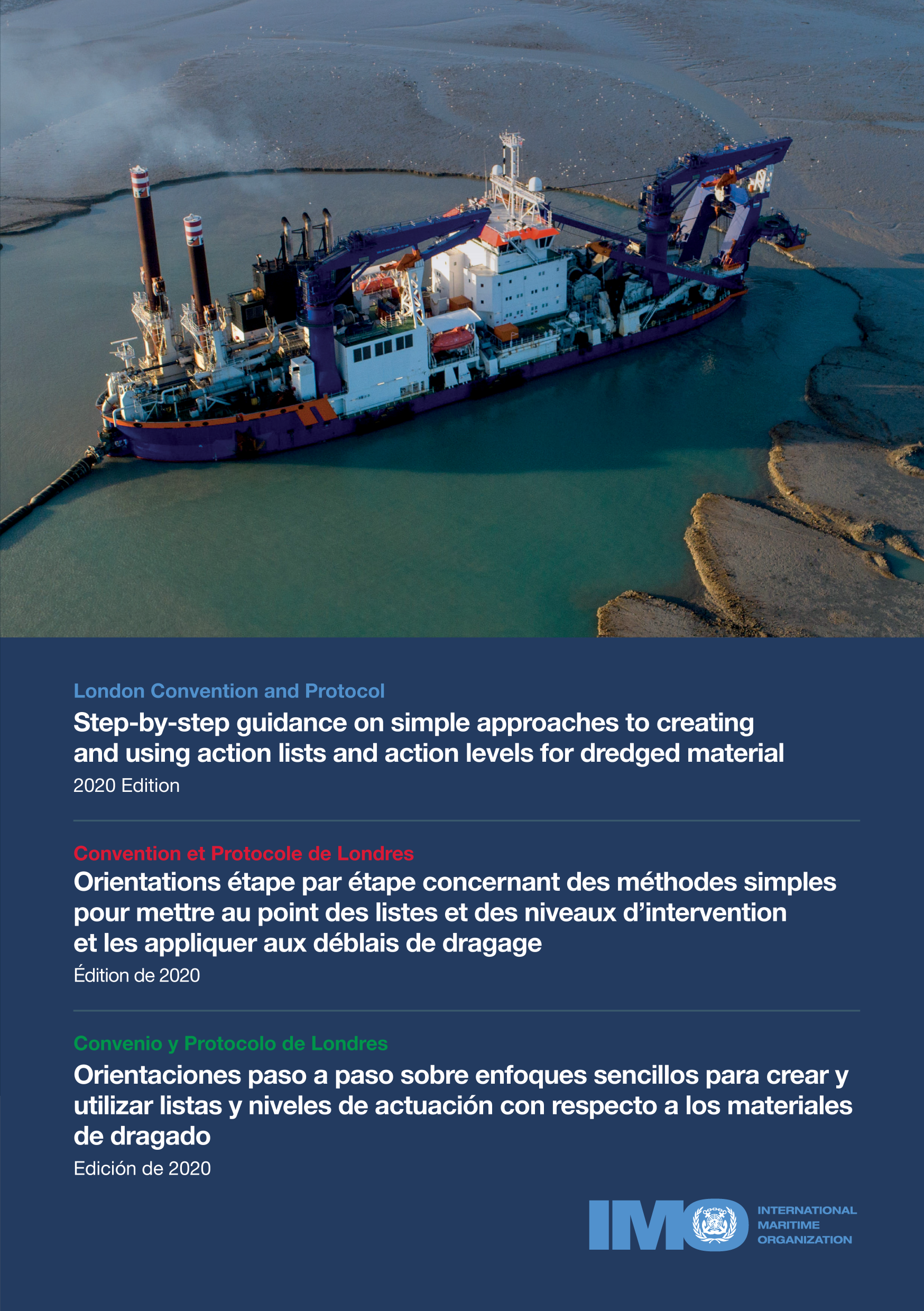
Step-by-step guidance on simple approaches to creating and using action lists and action levels for dredged material
show More to view fulltext, buy and share links for:Step-by-step guidance on simple approaches to creating and using action lists and action levels for dredged material show Less to hide fulltext, buy and share links for: Step-by-step guidance on simple approaches to creating and using action lists and action levels for dredged materialThis publication is intended as a starting place for countries without action lists and/or action levels so that they can minimize the environmental impacts of dumping at sea, enabling them to make sound permit decisions and be in compliance with the requirements of the London Protocol and Convention.
The texts of this title are in English, French and Spanish
-
-
-
Orientaciones revisadas sobre la implantación nacional del Protocolo de Londres
show More to view fulltext, buy and share links for:Orientaciones revisadas sobre la implantación nacional del Protocolo de Londres show Less to hide fulltext, buy and share links for: Orientaciones revisadas sobre la implantación nacional del Protocolo de LondresLa presente publicación tiene un carácter únicamente orientativo y su objetivo es ayudar a las administraciones nacionales en la implantación del Protocolo de Londres, tanto si son actualmente Partes Contratantes o si simplemente están interesadas en adherirse al Protocolo. No debe entenderse que estas orientaciones presentan unas interpretaciones definitivas del Protocolo o de cómo deberían aplicarse sus disposiciones. Las Partes Contratantes siguen siendo quienes han de interpretar las obligaciones que han asumido en virtud del Protocolo.
-
-
-
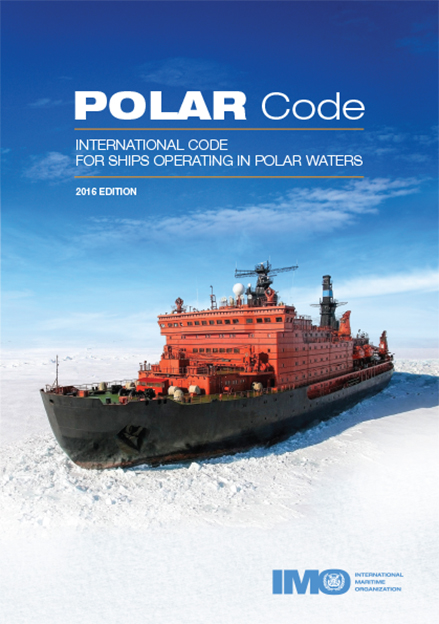
POLAR Code
International Code for Ships Operating in Polar Waters
show More to view fulltext, buy and share links for:POLAR Code show Less to hide fulltext, buy and share links for: POLAR CodeThe International Code for Ships Operating in Polar Waters (Polar Code) has been developed to supplement existing IMO instruments in order to provide a more comprehensive set of provisions to address the increased interests and traffic in the polar regions, and the unique operational, environmental and search and rescue concerns peculiar to these areas, taking into account that the consequences of any major safety or pollution incident in polar waters are likely to cause widespread harm to these pristine environments.
The Polar Code covers the full range of design, construction, equipment, operational, training, search and rescue and environmental protection matters relevant to ships operating in waters surrounding the two poles. It includes mandatory measures covering safety (part I-A) and pollution prevention (part II-A) and recommendatory provisions for both (parts I-B and II-B).
-
-
-
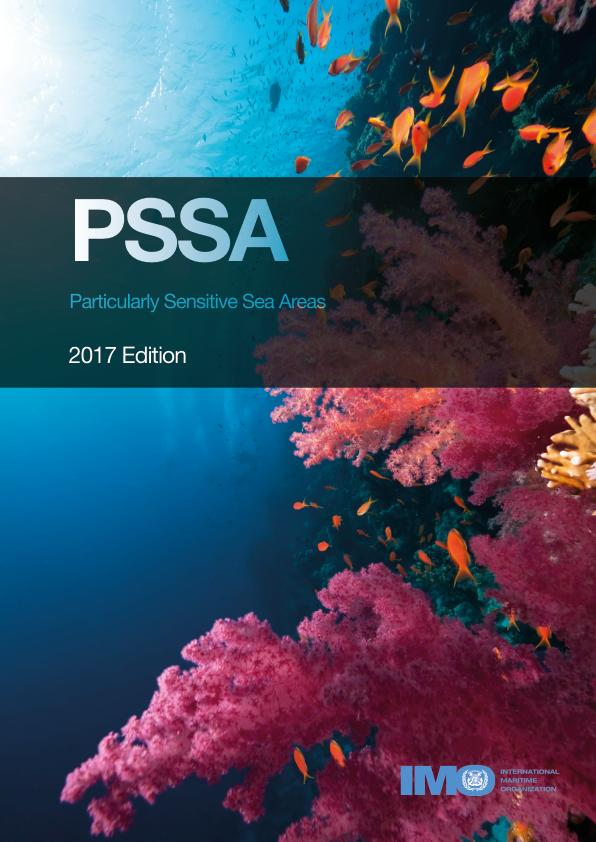
PSSA
Particularly Sensitive Sea Areas
show More to view fulltext, buy and share links for:PSSA show Less to hide fulltext, buy and share links for: PSSAA Particularly Sensitive Sea Area (PSSA) is an area of the marine environment that needs special protection through action by the IMO because of its significance for recognized ecological, socio-economic, or scientific attributes where such attributes may be vulnerable to damage by international shipping activities.
IMO is the only international body responsible for assessing proposals for and designating areas as PSSAs and adopting measures applicable to international shipping. This publication provides the reader with an overview of all PSSAs designated by the MEPC since 1990.
-
-
-
Pasajeros y sus equipajes
Convenio de Atenas relativo al transporte de pasajeros y sus equipajes por mar, 1974, y Protocolo de 2002
show More to view fulltext, buy and share links for:Pasajeros y sus equipajes show Less to hide fulltext, buy and share links for: Pasajeros y sus equipajesThis publication concerns the carriage of passengers and their luggage by sea and the establishment of a regime of liability for damage suffered by passengers carried on a seagoing vessel. It includes:
Final Act of the International Legal Conference on the Carriage of Passengers and their Luggage on Board Ships, 1974; Athens Convention relating to the Carriage of Passengers and their Luggage by Sea (PAL), 1974; Understanding of the Conference in Relation to Participation in the Convention and the Performance of Depositary Functions in Relation thereto by the Secretary-General of the Inter-Governmental Maritime Consultative Organization (IMCO); Final Act of the International Conference on the Revision of the Athens Convention relating to the Carriage of Passengers and their Luggage by Sea, 1974; Protocol of 2002 to the Athens Convention relating to the Carriage of Passengers and their Luggage by Sea, 1974.
-
-
-
Passenger Ship Crisis Management and Human Behaviour Training
Model Course 1.42
show More to view fulltext, buy and share links for:Passenger Ship Crisis Management and Human Behaviour Training show Less to hide fulltext, buy and share links for: Passenger Ship Crisis Management and Human Behaviour TrainingThis model course aims to meet the mandatory minimum requirements for the training of personnel in crisis management during emergency situations on board Passenger ships. Trainees gain competence in passenger ship crisis management and human behaviour training in accordance with section A-V/2, paragraph 4 and table A-V/2-2 of the STCW Code, demonstrating the ability to organize shipboard emergency procedures; optimize the use of resources; control responses to emergencies; control passengers and other personnel during emergency situations; and establish and maintain effective communications.
-
-
-
Passenger Ship Crowd Management Training
Model Course 1.41
show More to view fulltext, buy and share links for:Passenger Ship Crowd Management Training show Less to hide fulltext, buy and share links for: Passenger Ship Crowd Management TrainingThe model course is designed to provide trainees with knowledge and skills in managing crowds. This covers the mandatory competences and the required knowledge, understanding and proficiencies specified in paragraph 3 of section A-V/2 and table A-V/2-1 of the STCW Code. On completion, the trainee should be able to demonstrate the ability to contribute to the implementation of shipboard emergency plans and procedures to muster and evacuate passengers as well as assisting passengers en route to muster and embarkation stations.
-
-
-
Passengers and their Luggage
Athens Convention relating to the Carriage of Passengers and their Luggage by Sea, 1974
show More to view fulltext, buy and share links for:Passengers and their Luggage show Less to hide fulltext, buy and share links for: Passengers and their LuggageThis publication concerns the carriage of passengers and their luggage by sea and the establishment of a regime of liability for damage suffered by passengers carried on a seagoing vessel. It includes:
Final Act of the International Legal Conference on the Carriage of Passengers and their Luggage on Board Ships, 1974; Athens Convention relating to the Carriage of Passengers and their Luggage by Sea (PAL), 1974; Understanding of the Conference in Relation to Participation in the Convention and the Performance of Depositary Functions in Relation thereto by the Secretary-General of the Inter-Governmental Maritime Consultative Organization (IMCO); Final Act of the International Conference on the Revision of the Athens Convention relating to the Carriage of Passengers and their Luggage by Sea, 1974; Protocol of 2002 to the Athens Convention relating to the Carriage of Passengers and their Luggage by Sea, 1974.
-
-
-
Performance Standards for Shipborne Radiocommunications and Navigational Equipment and Systems
show More to view fulltext, buy and share links for:Performance Standards for Shipborne Radiocommunications and Navigational Equipment and Systems show Less to hide fulltext, buy and share links for: Performance Standards for Shipborne Radiocommunications and Navigational Equipment and SystemsAs a result of the modernization of the Global Maritime Distress and Safety System (GMDSS) in 2022, several performance standards have been revised, consolidated, revoked or newly adopted. Most of these performance standards will be implemented as from 1 January 2024, in line with the entry into force of the amendments to SOLAS chapter IV and other related instruments.
The latest developments under SOLAS chapter V include amendments to the performance standards for shipborne voyage data recorders and simplified voyage data recorders, and revised performance standards for electronic chart display and information systems, which will introduce new IHO S-100 product specifications.
The present publication incorporates all performance standards for shipborne radiocommunications and navigational equipment and systems, including revisions or amendments thereto adopted up to June 2023.
-
-
-
Personal Safety and Social Responsibilities
Model course 1.21
show More to view fulltext, buy and share links for:Personal Safety and Social Responsibilities show Less to hide fulltext, buy and share links for: Personal Safety and Social ResponsibilitiesThis model course aims to meet the mandatory minimum standards of competence in personal safety and social responsibilities in accordance with section A-VI/1 of the STCW Code, table A-VI/1-4. The course is designed to prepare new recruits for life on a ship at sea where they will experience a vastly different living and working environment compared to that if they were living and working ashore.
-
-
-
Pollution Prevention Equipment under MARPOL
show More to view fulltext, buy and share links for:Pollution Prevention Equipment under MARPOL show Less to hide fulltext, buy and share links for: Pollution Prevention Equipment under MARPOLThe purpose of this publication is to provide easy reference to IMO resolutions on shipboard pollution-prevention equipment that are required under MARPOL.
The present publication is a revised and updated version of the 1997 edition and contains those resolutions on pollution-prevention equipment which are currently applicable to new installations on board ships.
-
-
-
Port Reception Facilities
How to do it
show More to view fulltext, buy and share links for:Port Reception Facilities show Less to hide fulltext, buy and share links for: Port Reception FacilitiesThis Manual provides practical information to Governments and competent (port) authorities, in particular those in developing countries, as well as the shipping industry, agencies and waste contractors seeking guidance when implementing MARPOL.
It also provides guidance on how to deal with possible inadequacies, as, in order to comply fully with MARPOL, a party State has to ensure the provision of adequate port reception facilities meeting the needs of ships using their ports, without causing undue delay to the ships.
-
-
-
Prevention of corrosion on board ships
show More to view fulltext, buy and share links for:Prevention of corrosion on board ships show Less to hide fulltext, buy and share links for: Prevention of corrosion on board shipsFollowing the continuing loss, sometimes without a trace, of ships carrying solid bulk cargoes and the heavy loss of life caused by such accidents, the IMO Assembly, in the early 90s, requested the Maritime safety Committee (MSC) to develop requirements for the design, construction, operation, maintenance and survey of Bulk carriers and specific precautionary measures with respect to type of cargoes. Consequently, extensive deliberations of the issues involved took place at the MSC meetings over a number of years and a raft of measures, many derived from Formal Safety Assessment (FSA) studies conducted by various Member States of IMO, were considered. One of the many items on the list was “Improved coatings: Controls and/or performance standards for protective coatings, in relation to compatibility with cargoes”.
This publication contains performance standards and guidelines developed as a result of the above considerations.
This 2010 Edition reproduces English, French and Spanish official texts.
-
-
-
Manuel sur la pollution par les hydrocarbures
Section V – Aspects administratifs des interventions de lutte contre la pollution par les hydrocarbures
show More to view fulltext, buy and share links for:Manuel sur la pollution par les hydrocarbures show Less to hide fulltext, buy and share links for: Manuel sur la pollution par les hydrocarburesLa présente section du Manuel sur la pollution par les hydrocarbures a pour objet de donner au lecteur et notamment aux organismes de coordination, aux commandants sur place et à tous ceux qui participent à la gestion de la lutte contre la pollution par les hydrocarbures, une indication des intérêts en cause lors d’une situation d’urgence due à une pollution par des hydrocarbures et par la suite, ainsi qu’un aperçu général des conventions internationales et accords professionnels qui régissent la limitation de la responsabilité et l’indemnisation pour les dommages dus à la pollution par les hydrocarbures. Cette section ne prétend pas être un commentaire autorisé ni définitif sur les relations juridiques qui existent entre les diverses parties en cause lors d’une situation d’urgence due à une pollution par des hydrocarbures, ni une interprétation des conventions internationales applicables.
-
-
-
Oil Pollution, Preparedness, Response and Cooperation
Model courses 4.01, 4.02, 4.03, 4.04: Introductory level and levels 1, 2 and 3
show More to view fulltext, buy and share links for:Oil Pollution, Preparedness, Response and Cooperation show Less to hide fulltext, buy and share links for: Oil Pollution, Preparedness, Response and CooperationThe International Maritime Organisation (IMO) has developed the model courses on oil pollution preparedness, response and cooperation (OPRC) to provide guidance for preparedness and response to marine oil spills from ships.
The courses take into particular account the training needs of developing countries and include sufficient flexibility so that they may be easily tailored to address specific national and regional needs. Collectively, the suite of courses has been designed to address all aspects of oil spill planning, response and management. Each course comprises an instructor’s manual, a participant’s manual and PowerPoint presentations and exercises for each course module.
The contents of this course can be downloaded from the "Supplements" tab and include:
- OPRC Introductory Level (Model course 4.01);
- OPRC Level 1: First Responder (Model course 4.02);
- OPRC Level 2: Supervisor/On-Scene Commander (Model course 4.03);
- OPRC Level 3: Administrator and Senior Manager (Model course 4.04);
- A set of Supplementary material, comprising a video presentation, and a document with useful links.
-
-
-
Operational use of integrated bridge systems including integrated navigation systems
Model Course 1.32
show More to view fulltext, buy and share links for:Operational use of integrated bridge systems including integrated navigation systems show Less to hide fulltext, buy and share links for: Operational use of integrated bridge systems including integrated navigation systemsThis course provides training in the operational use of integrated bridge systems (IBS) and integrated navigational systems (INS). Designed for officers in charge of a navigational watch, the course enhances safety and environmental protection by instructing on the correct use of these systems and highlighting potential risks from improper use. Flexible in design, it can be adapted to trainees’ experience levels, ensuring comprehensive understanding. This course is a key resource for improving navigation safety standards and ensuring compliance with international maritime regulations.
-
-
-
Orientations de 2012 pour l’établissement de listes d’intervention et de niveaux d’intervention pour les déchets de poisson
show More to view fulltext, buy and share links for:Orientations de 2012 pour l’établissement de listes d’intervention et de niveaux d’intervention pour les déchets de poisson show Less to hide fulltext, buy and share links for: Orientations de 2012 pour l’établissement de listes d’intervention et de niveaux d’intervention pour les déchets de poissonLa présente publication contient des orientations à l’intention des autorités chargées de la réglementation et des responsables de l’élaboration de politiques au sujet de l’établissement de listes d’intervention et de la mise au point de niveaux d’intervention applicables aux déchets de poisson qu’il est envisagé d’évacuer en mer. Tout en étant destinées à aider à mettre en œuvre les prescriptions de la Convention de 1972 sur la prévention de la pollution des mers résultant de l’immersion de déchets (Convention de Londres) et de son Protocole de 1996 (Protocole de Londres), les orientations ont une portée générale et pourraient être appliquées à l’évaluation des déchets de poisson prévue par d’autres instruments.
-
-
-
Passenger safety, cargo safety and hull integrity training
Model course 1.46
show More to view fulltext, buy and share links for:Passenger safety, cargo safety and hull integrity training show Less to hide fulltext, buy and share links for: Passenger safety, cargo safety and hull integrity trainingThis IMO Model course addresses the competences and training that are required to achieve the standards for knowledge, understanding and proficiencies (KUPs) set out in paragraph 5 of section A-V/2 of the STCW Code.
-
-
-
Patrón de Buque Pesquero
Curso modelo 7.05
show More to view fulltext, buy and share links for:Patrón de Buque Pesquero show Less to hide fulltext, buy and share links for: Patrón de Buque PesqueroThe standards of competence that have to be met by fishing vessel personnel are defined in the International Convention on Standards of Training, Certification and Watchkeeping for Fishing Vessel Personnel, 1995 (STCW-F). It sets out the education and training requirements for achieving those standards. Specifically, this course covers the minimum standard of competence for skippers on Fishing vessels of 24 metres in length and over, operating in unlimited waters.
-
-
-
Port Facility Security Officer
Model Course 3.21
show More to view fulltext, buy and share links for:Port Facility Security Officer show Less to hide fulltext, buy and share links for: Port Facility Security OfficerThis course aims to facilitate the training of port facility security officers in accordance with the minimum knowledge, understanding and proficiencies (KUPs) in the Guidelines on training and certification for port facility security officers (MSC.1/Circ.1188) to meet the duties and responsibilities required by the International Ship and Port Facility Security (ISPS) Code, part A.
-
-
-
Port State Control
Model course 3.09
show More to view fulltext, buy and share links for:Port State Control show Less to hide fulltext, buy and share links for: Port State ControlThis course aims to facilitate training for port State control officers (PSCOs) in accordance with the relevant IMO and International Labour Organization (ILO) instruments specified in Procedures for port State control, 2023 (resolution A.1185(33)), as amended.
The course is designed to equip trainees with the knowledge, understanding and proficiency necessary to meet the qualification and training requirements of PSCOs. Tailored to the trainees’ experience levels, this course is a key resource to support consistent and effective implementation of port State control worldwide, contributing to enhanced maritime safety, security, and environmental protection.
-
-
-
Premiers soins
Cours type 1.14 : Cours + Abrégé
show More to view fulltext, buy and share links for:Premiers soins show Less to hide fulltext, buy and share links for: Premiers soinsLe présent cours type est destiné à assurer la formation des candidats en ce qui concerne les premiers soins à bord, conformément à la section A-VI/4 du Code STCW.
-
-
-
Prevention of Pollution of the Sea by Oil, 1954
International Convention for the Prevention of Pollution of the Sea by Oil, 1954, as amended in 1962 and 1969
show More to view fulltext, buy and share links for:Prevention of Pollution of the Sea by Oil, 1954 show Less to hide fulltext, buy and share links for: Prevention of Pollution of the Sea by Oil, 1954This Convention was the first multilateral instrument to be concluded with the prime objective of protecting the environment. It is concerned with the agreement between the Governments involved to prevent pollution of the sea by oil discharged from ships. The text published is as amended in 1962 and 1969.
-
-
-
Primeros Auxilios Sanitarios
Curso modelo 1.14: Curso y Compendio
show More to view fulltext, buy and share links for:Primeros Auxilios Sanitarios show Less to hide fulltext, buy and share links for: Primeros Auxilios SanitariosThis model course provides training in elementary first aid at operator’s level and is based on the provisions of table A-VI/4-1 of the STCW Code.
-
-
-
Primeros Auxilios – Conocimientos Básicos
Curso modelo 1.13: Curso y Compendio
show More to view fulltext, buy and share links for:Primeros Auxilios – Conocimientos Básicos show Less to hide fulltext, buy and share links for: Primeros Auxilios – Conocimientos BásicosThis model course provides training in elementary first aid at the support level and is based on the provisions of table A-VI/1-3 of the STCW Code.
-
-
-
Procedimientos para la supervisión por el Estado rector del puerto, 2023
show More to view fulltext, buy and share links for:Procedimientos para la supervisión por el Estado rector del puerto, 2023 show Less to hide fulltext, buy and share links for: Procedimientos para la supervisión por el Estado rector del puerto, 2023Las inspecciones realizadas en el marco de la supervisión por el Estado rector del puerto contribuyen a garantizar que las normas marítimas mundiales se implanten de forma uniforme para todos los buques. Esta publicación contiene orientaciones para los funcionarios encargados de la supervisión por el Estado rector del puerto (PSCO) sobre la realización de inspecciones, con el fin de ayudar a que estas se efectúen de manera armonizada en todo el mundo.
La presente edición incluye enmiendas a las Directrices para para la detención de buques (apéndice 2), las Directrices sobre la supervisión por el Estado rector del puerto en virtud del Anexo VI del Convenio MARPOL (apéndice 18) y las nuevas Directrices para la inspección de los sistemas antiincrustantes en los buques (apéndice 19).
-
-
-
Procedures for Port State Control, 2023
show More to view fulltext, buy and share links for:Procedures for Port State Control, 2023 show Less to hide fulltext, buy and share links for: Procedures for Port State Control, 2023Port State control inspections contribute to ensuring that globalmaritime standards are being implemented consistently on all ships.This publication provides guidance for port State control officerson the conduct of inspections to support harmonization in the wayinspections are carried out worldwide.
This edition includes amendments to Guidelines for the detention of ships (appendix 2) and Guidelines for port State control under MARPOL Annex VI (appendix 18), and new Guidelines for inspection ofanti-fouling systems on ships (appendix 19).
-
-
-
Procédures de contrôle par l’État du port, 2023
show More to view fulltext, buy and share links for:Procédures de contrôle par l’État du port, 2023 show Less to hide fulltext, buy and share links for: Procédures de contrôle par l’État du port, 2023Les inspections de contrôle par l’État du port contribuent à garantir que les normes maritimes mondiales sont appliquées de manière cohérente sur tous les navires. La présente publication a pour objet de donner des indications de base aux fonctionnaires chargés du contrôle par l’État du port (PSCO) sur la conduite des inspections en vue d’harmoniser l’exécution des inspections effectuées dans le monde entier.
La présente édition contient des amendements aux Directives sur l’immobilisation des navires (appendice 2), aux Directives relatives au contrôle par l’État du port en vertu de l’Annexe VI de MARPOL (appendice 18) et les nouvelles Directives pour l’inspection des systèmes antisalissure sur les navires (appendice 19).
-
-
-
Proficiency in Fast Rescue Boats
Model course 1.24
show More to view fulltext, buy and share links for:Proficiency in Fast Rescue Boats show Less to hide fulltext, buy and share links for: Proficiency in Fast Rescue BoatsThis course provides training in fast rescue boats and is based on the provisions of table A-VI/2-2 of the STCW Code.
-
-
-
Proficiency in Personal Survival Techniques
Model course 1.19
show More to view fulltext, buy and share links for:Proficiency in Personal Survival Techniques show Less to hide fulltext, buy and share links for: Proficiency in Personal Survival TechniquesThis course should be taken by every prospective seafarer in order to meet minimum standards of competence in safety familiarization, basic training and instruction in personal survival techniques. The course is based on the provisions of table A-VI/1-1 of the STCW Code.
-
-
-
Proficiency in Survival Craft and Rescue Boats Other Than Fast Rescue Boats
Model course 1.23
show More to view fulltext, buy and share links for:Proficiency in Survival Craft and Rescue Boats Other Than Fast Rescue Boats show Less to hide fulltext, buy and share links for: Proficiency in Survival Craft and Rescue Boats Other Than Fast Rescue BoatsThis course covers training in the mandatory minimum requirements for the issue of certificates of proficiency in survival craft as specified in section A-VI/2-1 of the STCW Code.
-
-
-
Protocole OPRC–HNS
Protocole de 2000 sur la préparation, la lutte et la coopération contre les événements de pollution par les substances nocives et potentiellement dangereuses
show More to view fulltext, buy and share links for:Protocole OPRC–HNS show Less to hide fulltext, buy and share links for: Protocole OPRC–HNSLa présente publication reproduit les textes de l'Acte final de la Conférence, y compris ses annexes, et du Protocole de 2000 sur la préparation, la lutte et la coopération contre les événements de pollution par les substances nocives et potentiellement dangereuses.
-
-
-
Protocole de Londres
Ce Qu’il Est et Comment le Mettre en Oeuvre
show More to view fulltext, buy and share links for:Protocole de Londres show Less to hide fulltext, buy and share links for: Protocole de LondresLe présent manuel fournit des renseignements pratiques utiles aux gouvernements, en particulieur ceux des pays en développement, sur les conséquences techniques, économiques et juridiques de la ratification, de l’application et de la mise en œuvre du Protocole de Londres.
-
-
-
Protocolo de Cooperación-SNPP
Protocolo sobre cooperación, preparación y lucha contra los sucesos de contaminación por sustancias nocivas y potencialmente peligrosas, 2000
show More to view fulltext, buy and share links for:Protocolo de Cooperación-SNPP show Less to hide fulltext, buy and share links for: Protocolo de Cooperación-SNPPThis publication reproduces the texts of the Final Act of the Conference, including its Attachments, and the Protocol on Preparedness, Response and Co-operation to Pollution Incidents by Hazardous and Noxious Substances, 2000.
-
-
-
Protocolo de Londres
Qué es y Cómo Implantarlo
show More to view fulltext, buy and share links for:Protocolo de Londres show Less to hide fulltext, buy and share links for: Protocolo de LondresEl presente manual proporciona información útil y práctica a los Gobiernos, en particular a los de los países en desarrollo, sobre las implicaciones técnicas, económicas y jurídicas de la ratificación, la implantación y el cumplimiento del Protocolo de Londres.
-