


International Maritime Organization
461 - 480 of 663 results
-
-
STCW اتفاقية
STCW اتفاقية ومدونة
show More to view fulltext, buy and share links for:STCW اتفاقية show Less to hide fulltext, buy and share links for: STCW اتفاقيةالاتفاقية الدولية لمعايير التدريب والإجازة والخفارة للملاحين لعام 1978 (اتفاقية STCW إلى تعزيز سلامة الأرواح والممتلكات في البحار وحماية البيئة البحرية ، وذلك بوضع معايير دولية للتدريب والإجازة والخفارة للملاحين.
ويتضمن هذا المطبوع المحضر الختامي لمؤتمر عام 2010 للأطراف في اتفاقية STCW لعام 1978 والقرارات التي اعتمدها ذلك المؤتمر ونصا جامعا وكاملا لاتفاقية STCW ، بما في ذلك موادها الأصلية والمرفق المنقح ومدونة STCW التي تكمل الاتفاقية . ويتضمّن هذا المطبوع أيضاً التعديلات على الاتفاقية والمدونة التي اعتمدت في الأعوام 2014 و 2015 و 2016.
-
-
-
SUA Convention
show More to view fulltext, buy and share links for:SUA Convention show Less to hide fulltext, buy and share links for: SUA ConventionThe International Conference on the Suppression of Unlawful Acts Against the Safety of Maritime Navigation, 1988 (SUA Convention) reproduces the texts of the 1988 and 2005 Treaties, their consolidated versions and the Final Acts of the 1988 and 2005 Conferences. Also included are the texts of the original Convention for the Suppression of Unlawful Acts against the Safety of Maritime Navigation (SUA), 1988 and its Protocol, the Final Act of the 2005 Conference, the two Protocols adopted by that Conference, as well as the consolidated text of the 2005 SUA Convention and the consolidated text of the 2005 SUA Fixed Platforms Protocol. The purpose of these internationally agreed measures is to improve security and reduce the risk to the lives of passengers and crews on board ships.
-
-
-
Safe Handling and Transport of Solid Bulk Cargoes
Model Course 1.45
show More to view fulltext, buy and share links for:Safe Handling and Transport of Solid Bulk Cargoes show Less to hide fulltext, buy and share links for: Safe Handling and Transport of Solid Bulk CargoesThe course is intended for seafarers on board ships carrying solid bulk cargoes, and personnel involved in the transport chain of solid bulk cargoes, such as officials of the competent authorities, port authorities, port terminals, mine operators, shippers, technicians and shipping company’s representatives, as well as all personnel involved in the assessment of acceptability of consignments of solid bulk cargoes according to the IMSBC Code.
-
-
-
Safe Packing of Cargo Transport Units (CTUs)
Model Course 3.18
show More to view fulltext, buy and share links for:Safe Packing of Cargo Transport Units (CTUs) show Less to hide fulltext, buy and share links for: Safe Packing of Cargo Transport Units (CTUs)This course provides basic training in the safe packing and securing of cargoes in cargo transport units.
-
-
-
Safe Packing of Cargo Transport Units (CTUs): Workbook
Model Course 3.18 Workbook
show More to view fulltext, buy and share links for:Safe Packing of Cargo Transport Units (CTUs): Workbook show Less to hide fulltext, buy and share links for: Safe Packing of Cargo Transport Units (CTUs): WorkbookWorkbook (sold separately), with quick lashing guides for transport on road and in sea areas A, B and C.
-
-
-
Safety Investigation into Marine Casualties and Marine Incidents
Model Course 3.11
show More to view fulltext, buy and share links for:Safety Investigation into Marine Casualties and Marine Incidents show Less to hide fulltext, buy and share links for: Safety Investigation into Marine Casualties and Marine IncidentsThe course is essentially balanced between theory (lecture material), practical group exercises and case studies. It consists of a series of exercises structured around the requirements of the international legislation, IMO conventions and instruments, and the required common and homogeneous approach, application of consistent methodology and no blame culture to adopt in the conduct of Maritime safety investigations into marine casualties and marine incidents; as well as to provide reports to the Organization.
-
-
-
Safety Training for Personnel Providing Direct Service to Passengers in Passenger Spaces
Model Course 1.44
show More to view fulltext, buy and share links for:Safety Training for Personnel Providing Direct Service to Passengers in Passenger Spaces show Less to hide fulltext, buy and share links for: Safety Training for Personnel Providing Direct Service to Passengers in Passenger SpacesThis model course aims to meet the mandatory minimum requirements for the training of personnel providing direct service to passengers in passenger spaces on board Passenger ships specified in regulation V/2 and section A-V/2 of the STCW Code. On successful completion, trainees should be able to communicate with passengers during an emergency, demonstrate personal Life-saving appliances and embark and disembark passengers, in particular caring for those needing special assistance.
-
-
-
Safety of Fishing Operations (Support Level)
Model Course 1.33: Course and Compendium
show More to view fulltext, buy and share links for:Safety of Fishing Operations (Support Level) show Less to hide fulltext, buy and share links for: Safety of Fishing Operations (Support Level)This model course is for candidates who will undertake fishing operations on board ship, in accordance with chapter III, regulation 1.6, and attachment 2, resolution 4, annex 2.2 of STCW-F. It covers the requirements of the STCW-F and IMO/FAO/ILO Document for Guidance on Training and Certification of Fishing Vessel Personnel, chapter 6.24 and 6.29, and is open to all fishing vessel personnel who are to serve on board sea-going Fishing vessels. There are no particular educational entry requirements.
-
-
-
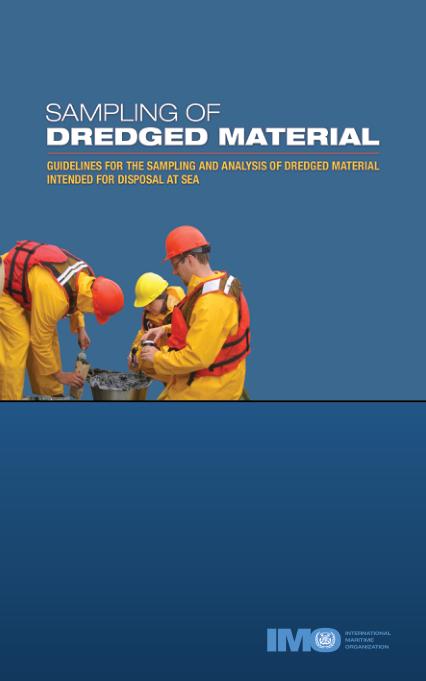
Sampling of Dredged Material
Guidelines for the sampling and analysis of dredged material intended for disposal at sea
show More to view fulltext, buy and share links for:Sampling of Dredged Material show Less to hide fulltext, buy and share links for: Sampling of Dredged MaterialThe guidance contained in this Guidelines for the Sampling and Analysis of Dredged material Intended for Disposal at Sea, addresses the points above and is an amalgamation of two documents produced for the London Convention and the 1996 Protocol thereto:
- Guidelines for the sampling of sediment intended for disposal at sea (LC 24/17, addendum 1)
- Selection and analysis of physical and chemical parameters for the assessment of Dredged material quality
(LC/SG 26/12, annex 2)
-
-
-
Seafarers’ Hours of Work and Hours of Rest
IMO/ILO Guidelines for the Development of Tables of Seafarers’ Shipboard Working Arrangements and Formats of Records of Seafarers’ Hours of Work or Hours of Rest
show More to view fulltext, buy and share links for:Seafarers’ Hours of Work and Hours of Rest show Less to hide fulltext, buy and share links for: Seafarers’ Hours of Work and Hours of RestDeveloped by a joint working group of the International Labour Organization (ILO) and IMO, these guidelines are designed to help Administrations, shipowners and seafarers meet their obligations under ILO Convention No. 180 (Seafarers’ Hours of Work and the Manning of Ships Convention) and IMO’s STCW Convention, 1978, as amended in 1995.
They provide a standardized table showing shipboard working arrangements, a standard format for records of seafarer’s daily hours of work and rest and guidelines for monitoring compliance.
-
-
-
Second-Class Radioelectronic Certificate for Global Maritime Distress and Safety System Radio Personnel
Model course 1.31: Course and Compendium
show More to view fulltext, buy and share links for:Second-Class Radioelectronic Certificate for Global Maritime Distress and Safety System Radio Personnel show Less to hide fulltext, buy and share links for: Second-Class Radioelectronic Certificate for Global Maritime Distress and Safety System Radio PersonnelThis Model Course is based on IMO Model Course 1.25, “General Operator’s Certificate for the Global Maritime Distress and Safety System”, covering training organization, teaching aids and technical facilities. It is intended to provide trainees with the theoretical knowledge and practical skills sufficient to perform the functions of second-class radio-electronics personnel.
-
-
-
Security Awareness Training for All Port Facility Personnel
Model course 3.25
show More to view fulltext, buy and share links for:Security Awareness Training for All Port Facility Personnel show Less to hide fulltext, buy and share links for: Security Awareness Training for All Port Facility PersonnelThis model course is intended to provide the knowledge required to enable personnel without designated security duties in connection with a Port Facility Security Plan (PFSP) to enhance security in accordance with the requirements of Chapter XI-2 of SOLAS 74 as amended, the ISPS Code, the IMDG Code, the IMO/ILO Code of Practice on Security in Ports, and guidance contained in IMO MSC.1/Circ.1341. Successful trainees should contribute to the enhancement of maritime security through heightened awareness and the ability to recognize security threats and respond appropriately.
-
-
-
Security Awareness Training for All Seafarers
Model course 3.27
show More to view fulltext, buy and share links for:Security Awareness Training for All Seafarers show Less to hide fulltext, buy and share links for: Security Awareness Training for All SeafarersThis model course is intended to provide the knowledge required to enable personnel without designated security duties in connection with a Ship Security Plan (SSP) to enhance ship security in accordance with the requirements of chapter XI-2 of SOLAS 74 as amended, the ISPS Code, and section A-VI/6-1 of the STCW Code, as amended.
Those who successfully complete this course should achieve the required standard of competence enabling them to contribute to the enhancement of maritime security through heightened awareness and the ability to recognize security threats and to respond appropriately.
-
-
-
Security Awareness Training for Port Facility Personnel with Designated Security Duties
Model course 3.24
show More to view fulltext, buy and share links for:Security Awareness Training for Port Facility Personnel with Designated Security Duties show Less to hide fulltext, buy and share links for: Security Awareness Training for Port Facility Personnel with Designated Security DutiesThis model course is intended to provide the knowledge required for port facility personnel with designated security duties, such as guards, access control officers, training officers and relevant port facility managers, in connection with a Port Facility Security Plan (PFSP) to perform their duties in accordance with the requirements of SOLAS, chapter XI-2, the ISPS Code, the IMDG Code, the IMO/ILO Code of Practice on Security in Ports, and guidance contained in IMO MSC.1/Circ.1341 on Guidelines on Security-related training and familiarization for port facility personnel.
-
-
-
Security Training for Seafarers with Designated Security Duties
Model course 3.26
show More to view fulltext, buy and share links for:Security Training for Seafarers with Designated Security Duties show Less to hide fulltext, buy and share links for: Security Training for Seafarers with Designated Security DutiesThis model course is intended to provide the knowledge required for seafarers with designated security duties in connection with a Ship Security Plan (SSP) to perform their duties in accordance with the requirements of chapter XI-2 of SOLAS 74 as amended, the ISPS Code, and section A-VI/6 of the STCW Code, as amended.
-
-
-
Seguridad de las Operaciones de Pesca (Nivel de Apoyo)
Curso modelo 1.33: Curso y Compendio
show More to view fulltext, buy and share links for:Seguridad de las Operaciones de Pesca (Nivel de Apoyo) show Less to hide fulltext, buy and share links for: Seguridad de las Operaciones de Pesca (Nivel de Apoyo)This model course is for candidates who will undertake fishing operations on board ship, in accordance with chapter III, regulation 1.6, and attachment 2, resolution 4, annex 2.2 of STCW-F. It covers the requirements of the STCW-F and IMO/FAO/ILO Document for Guidance on Training and Certification of Fishing Vessel Personnel, chapter 6.24 and 6.29, and is open to all fishing vessel personnel who are to serve on board sea-going Fishing vessels. There are no particular educational entry requirements.
-
-
-
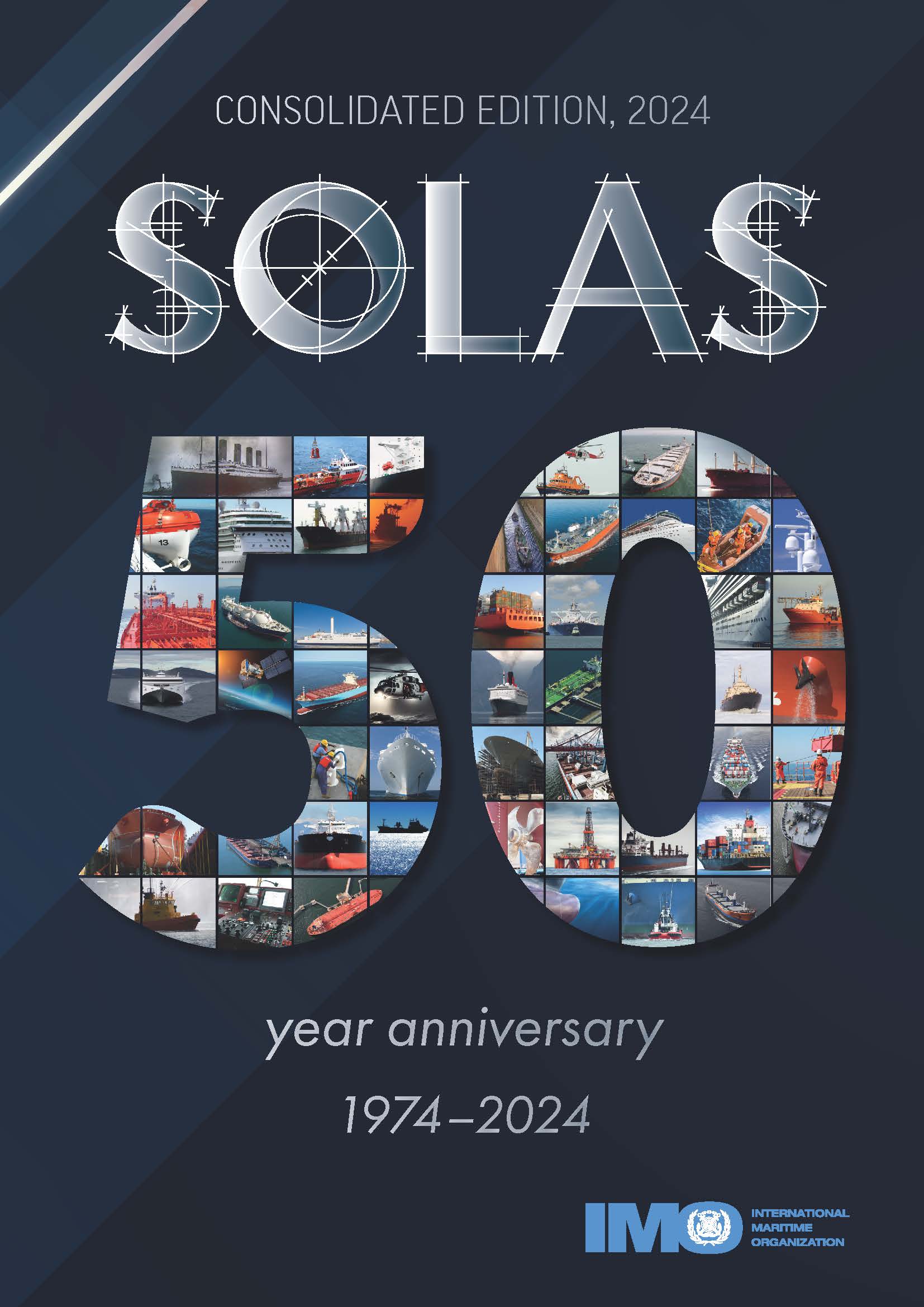
SOLAS
Consolidated Edition, 2024
show More to view fulltext, buy and share links for:SOLAS show Less to hide fulltext, buy and share links for: SOLASBy clicking on the "Read" button on this page you will be accessing the PDF of the full book. To access the Full-Text version and PDFs of the individual chapters, click on the “Chapters” tab and select the chapter you would like to read.
Of all the international conventions dealing with maritime safety, the most important is the International Convention for the Safety of Life at Sea, better known as SOLAS, which covers a wide range of measures designed to improve the safety of shipping.
The Convention is also one of the oldest of its kind: the first version was adopted in 1914 following the sinking of the Titanic with the loss of more than 1,500 lives. Since then, there have been four more versions of SOLAS. The present version was adopted in 1974 and entered into force in 1980. This publication commemorates the 50th anniversary of the adoption of the 1974 SOLAS Convention, a prominent international instrument for maritime safety.
This edition of the publication presents a consolidated text of the Convention, its Protocol of 1988 and all amendments that have entered into force on or before 1 July 2024. Additionally, this edition includes the unified interpretations of SOLAS regulations approved by the Maritime Safety Committee.
-
-
-
Ship Security Officer
Model Course 3.19
show More to view fulltext, buy and share links for:Ship Security Officer show Less to hide fulltext, buy and share links for: Ship Security OfficerThis model course is intended to provide knowledge to those who may be designated to perform the duties and responsibilities of a Ship Security Officer (SSO), as defined in section A/2.1.6 (and section A/12) of the ISPS Code and in section A-VI/5 of the STCW Code, as amended, and in particular the duties and responsibilities with respect to the security of a ship, for implementing and maintaining a Ship Security Plan and for liaising with the Company Security Officer (CSO) and with Port Facility Security Officers (PFSOs).
-
-
-
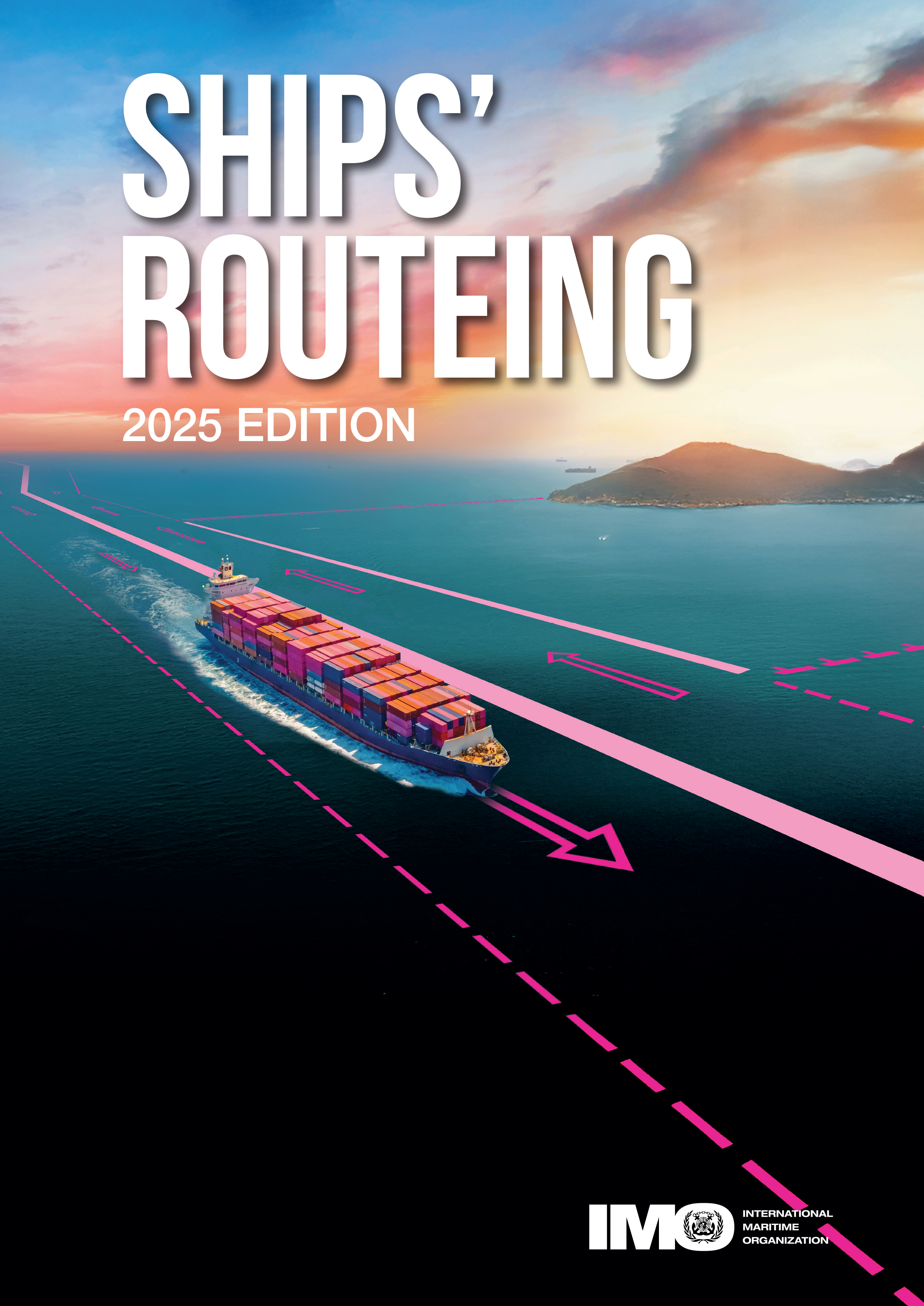
Ships’ Routeing
show More to view fulltext, buy and share links for:Ships’ Routeing show Less to hide fulltext, buy and share links for: Ships’ RouteingBy clicking on the "Read" button on this page you will be accessing the PDF of the full book. To access the Full-Text version and PDFs of the individual chapters, click on the “Chapters” tab and select the chapter you would like to read.
Both the safety of shipping and the cleanliness of oceans are promoted in many ways, one of which is the continuing development of routeing measures to organize the navigation of vessels and to monitor their progress. This publication presents individual descriptions of the following routeing measures:
- traffic separation schemes and inshore
- traffic zones
- deep-water routes
- areas to be avoided
- no anchoring areas
- other routeing measures, such as recommended tracks, two-way routes and recommended directions of traffic flow associated rules and recommendations on navigation
- archipelagic sea lanes
- ship reporting systems
This edition incorporates routeing measures that have been adopted before September 2025.
-
-
-
Simulador de la Manipulación de la Carga y el Lastre
Curso modelo 2.06
show More to view fulltext, buy and share links for:Simulador de la Manipulación de la Carga y el Lastre show Less to hide fulltext, buy and share links for: Simulador de la Manipulación de la Carga y el LastreThis model course is essentially a practical one and consists of a series of exercises structured around the operation of the cargo and ballast installation of an oil tanker and carried out in conjunction with a simulator.
-